





In recent years, ESG (Environmental, Social, and Governance) has evolved into a key component of business strategy. ESG sustainability is increasingly becoming an important consideration for organizations, particularly due to the growing need to demonstrate performance in a more measurable and transparent manner.
In Indonesia, shifting business priorities are encouraging companies to further integrate ESG principles into their operations. As a result, ESG has become an essential element in maintaining business resilience amid ongoing economic, technological, and environmental changes.
However, ESG implementation continues to face several challenges, including limited data availability, difficulties in measuring impact, restricted supply chain visibility, and the need to maintain operational efficiency while still achieving sustainability targets.
Why ESG and Digital Transformation Go Hand in Hand
Successfully implementing ESG requires more than policies or commitments, it demands the ability to measure, manage, and improve impact consistently. This is where technology plays a pivotal role.
Digital transformation enables businesses to access real-time operational data, gain full visibility into processes, and make faster, data-driven decisions. These capabilities form the foundation of effective ESG implementation in any business.
Some key applications include:
-
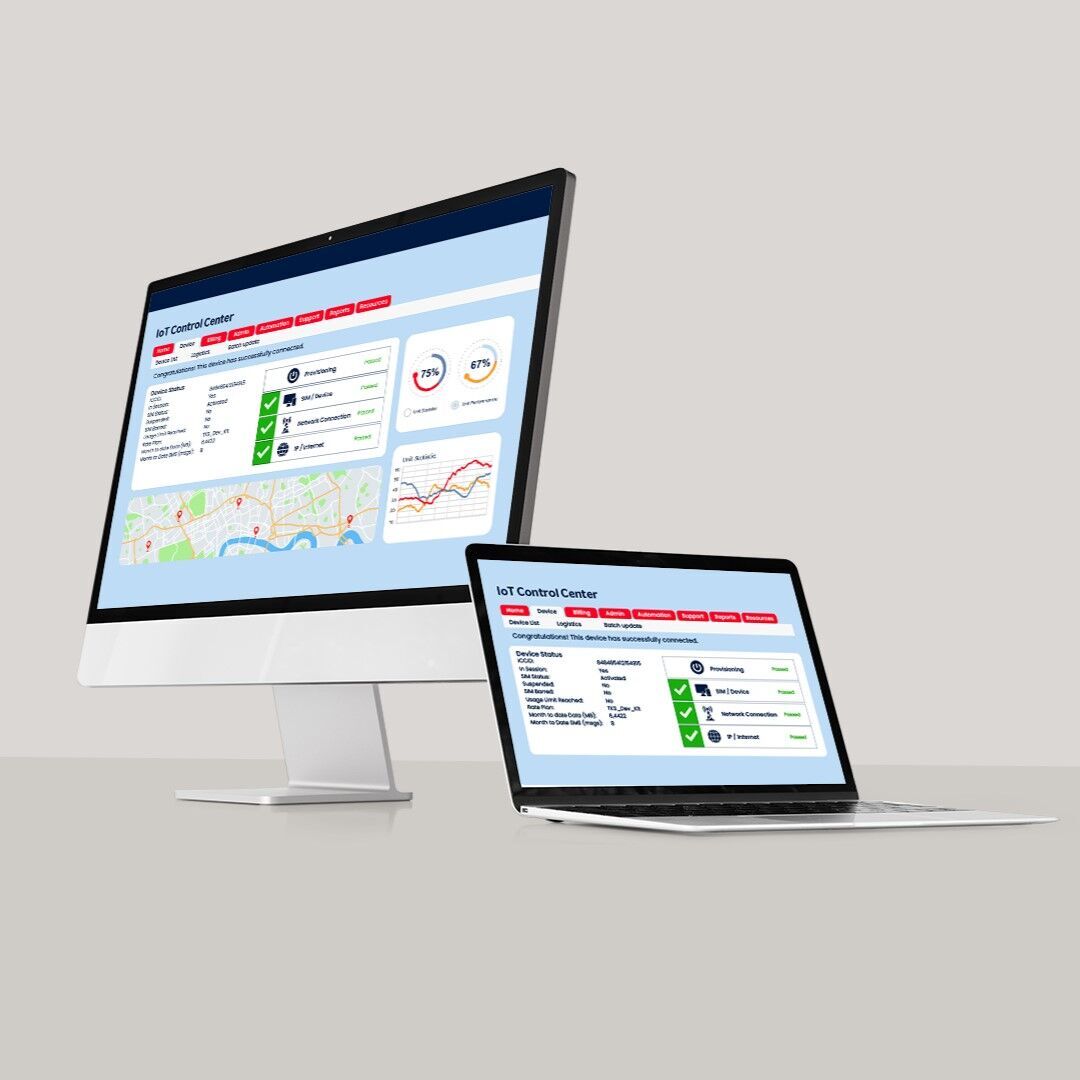
Internet of Things (IoT) and smart sensors for precise monitoring of energy, water, and material usage.
-
Cloud-based technologies to streamline infrastructure and optimize resource utilization.
-
Data analytics and artificial intelligence (AI) to identify efficiency opportunities, reduce waste, and lower emissions.
-
Digital connectivity for seamless automation and integration across multiple operational locations.
Leveraging these technologies allows businesses to boost operational efficiency while positively impacting environmental and governance outcomes.
The Role of Digital Technology in Supporting ESG Sustainability
Digital technology makes it easier for companies to embed ESG into everyday operations.
-
ESG Environmental Impact, digital tools help reduce resource waste, optimize energy consumption, and manage emissions more effectively.
-
ESG Social Impact, technology expands access to digital services, enhances user experience, and fosters skill development through online collaboration and learning.
-
ESG Governance Impact, digital systems strengthen data transparency, information security, compliance, and reporting quality.
As a result, digital technology not only improves operational efficiency but also serves as a key enabler of ESG sustainability across multiple business functions.
Integrating ESG into Business Strategy

Many organizations are now embedding ESG into long-term business strategies to create more sustainable value.
Telkomsel Enterprise's sustainability strategy is built on three pillars: Empower People, Responsible Business, and Protect Environment. Together, these pillars support digital inclusion, responsible governance, and effective environmental management.
The strategy is backed by measurable ESG targets, including emissions reduction, stronger data protection, and workplace safety initiatives. This demonstrates how sustainability and digital transformation can work together to drive long-term business growth.
B2B Digital Solutions as ESG Enablers
Achieving ESG targets requires more than commitment alone. Businesses also need the ability to measure performance, optimize resources, and continuously improve outcomes.
According to the Telkomsel Sustainability Report 2025, Telkomsel Enterprise's B2B digital solutions are recognized as a Transition Opportunity. Through solutions such as connectivity, IoT, cloud computing, data analytics, and automation, businesses can gain greater visibility into their operations, optimize resource utilization, and identify efficiency opportunities that contribute to sustainability objectives.
By adopting a data-driven approach, organizations can improve productivity while reducing their environmental footprint. This allows businesses to balance growth objectives with sustainability priorities more effectively.
The growing role of technology in sustainability initiatives highlights the importance of ESG technology solutions and their contribution to a successful ESG strategy in B2B environments.
ESG Across Different Industries

While each industry faces unique challenges, the goal remains consistent that is to improve efficiency while meeting sustainability targets.
1. Banking and Financial Services
The banking and financial sector is placing greater emphasis on financial inclusion, data security, transparency, and the development of more efficient digital services.
To support these objectives, a range of technologies can be leveraged, from identity verification solutions such as Telco Verify to enhance the security of digital transactions, to Direct Peering for more stable and reliable connectivity, and Network Prioritization to help maintain service quality for critical applications and transactions.
2. Mining and Oil & Gas
The mining and oil & gas sectors face challenges related to workplace safety, environmental management, energy efficiency, and the monitoring of assets distributed across multiple locations.
Solutions such as Smart Mining can help improve operational visibility and enhance mining process efficiency. Meanwhile, IoT INTANK and 5G Private Network support asset monitoring and provide reliable connectivity, helping organizations achieve their ESG objectives.
3. Logistics and Transportation
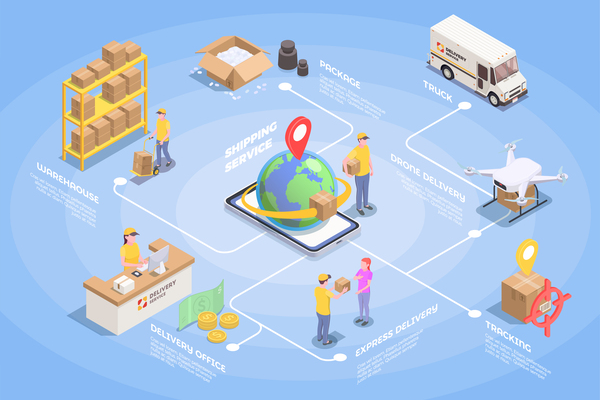
Fleet efficiency, route optimization, emission reduction, and supply chain visibility are key priorities in the logistics and transportation sector. Solutions such as Fleet Management and IoT Connectivity can support real-time monitoring of fleets, assets, and goods movement, enabling companies to gain better visibility over operations and distribution.
4. Manufacturing
The manufacturing industry leverages automation, asset monitoring, and data analytics to improve energy efficiency, reduce production waste, and build more sustainable and transparent supply chains. Solutions such as IoT Smart Manufacturing, IaaS (Infrastructure as a Service), and 5G Private Network can support the digitalization of production processes and more integrated data management, enabling more efficient and sustainable operations.
Building a More Sustainable Business Future
ESG and digital transformation have become complementary approaches for organizations navigating modern operational challenges. Together, they help businesses improve efficiency, strengthen governance, and reduce environmental impact in a more measurable way.
Ultimately, successful ESG implementation depends on an organization's ability to leverage data, connectivity, and digital technologies to create meaningful outcomes for both business performance and sustainability goals.
Ready to see how ESG can benefit your business through technology? Discover how to integrate ESG into business strategies that drive real results with Telkomsel Enterprise today to gain insights and tailor-made ESG technology solutions that align with your sustainability goals and industry-specific needs.