


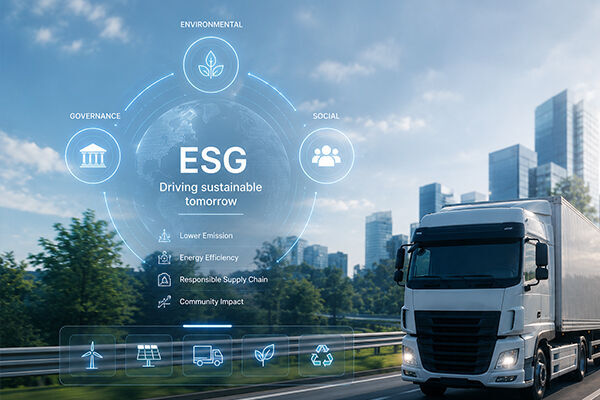


As ESG logistics becomes a growing priority, logistics, transportation, and supply chain industries are looking for ways to improve efficiency while reducing their environmental impact. At the same time, rising demand for faster and more reliable deliveries requires businesses to manage fleets, improve driver safety, and maintain service quality more effectively.
With digital technology, companies can gain a clearer view of their fleet and daily operations. Data-driven insights also help businesses make faster decisions and support their ESG logistics goals through more efficient and sustainable operations.
ESG Challenges in the Logistics and Transportation Industry
Companies across the logistics and transportation sector face several ESG-related challenges, including:
-
Rising carbon emissions and fuel consumption from large vehicle fleets.
-
Fleet inefficiencies and last-mile delivery challenges that affect costs and delivery performance.
-
Driver and field worker safety, particularly in operations that require continuous coordination and communication.
-
Service quality and operational reliability across distribution networks.
-
Compliance, governance, and data protection requirements in increasingly digital operations.
How Digital Technology Enables Sustainable Logistics and Supply Chain Management
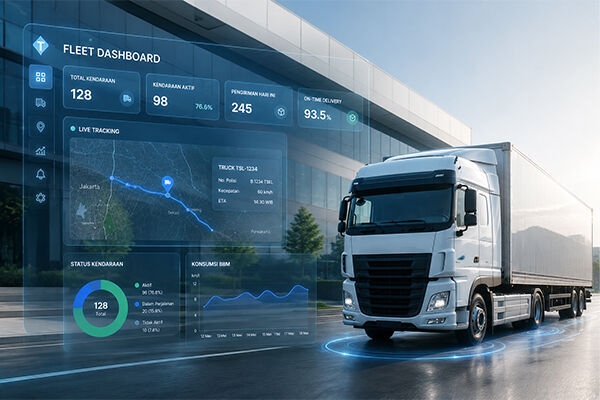
Sustainable logistics is not only about reducing emissions. It also depends on maintaining operational continuity, ensuring workforce safety, and delivering consistent service quality across the entire supply chain management network.
Telkomsel Enterprise's digital solutions help logistics and transportation companies connect fleets, assets, and field operations through a more integrated ecosystem. This enables businesses to improve visibility, streamline processes, and support long-term sustainability initiatives.
1. IoT FleetSight for Fleet Optimization and Emission Reduction
Fuel efficiency remains one of the most important factors in achieving sustainability targets within the transportation sector. IoT FleetSight enables businesses to monitor vehicle conditions, driver behavior, and route effectiveness in real time.
With more accurate route analysis, companies can find opportunities to save fuel and reduce carbon emissions without affecting fleet productivity. Continuous vehicle monitoring also helps keep operations running smoothly and lowers the risk of disruptions during distribution.
An integrated monitoring system also improves operational transparency and helps prevent fraud, such as vehicle misuse, improper fuel usage, and route deviations.
2. IoT FleetSense for Smarter Fleet Operations
Beyond visibility, organizations need deeper intelligence into daily fleet behavior. IoT FleetSense leverages AI-driven analytics to automatically assess driving patterns and vehicle utilization.
The insights generated help companies build a safer working environment for drivers by providing better visibility into driving behavior and daily operations. By reducing the risk of accidents and operational disruptions, companies can keep their fleets running more smoothly while improving overall performance.
3. Connectivity for Driver for Safer and More Secure Communications
Workforce safety remains a critical component of ESG in transportation industry initiatives. Drivers require reliable communication tools that enable them to stay connected with dispatch centers and field teams throughout their journeys.
Connectivity for Driver delivers a secure 4G/5G that supports stable communication across operational areas. Better connectivity helps reduce communication gaps, improve coordination, and enhance worker safety.
At the same time, protected communication channels help safeguard sensitive operational information, supporting stronger data security and governance practices.
4. IoT Control Center for End-to-End Operational Visibility
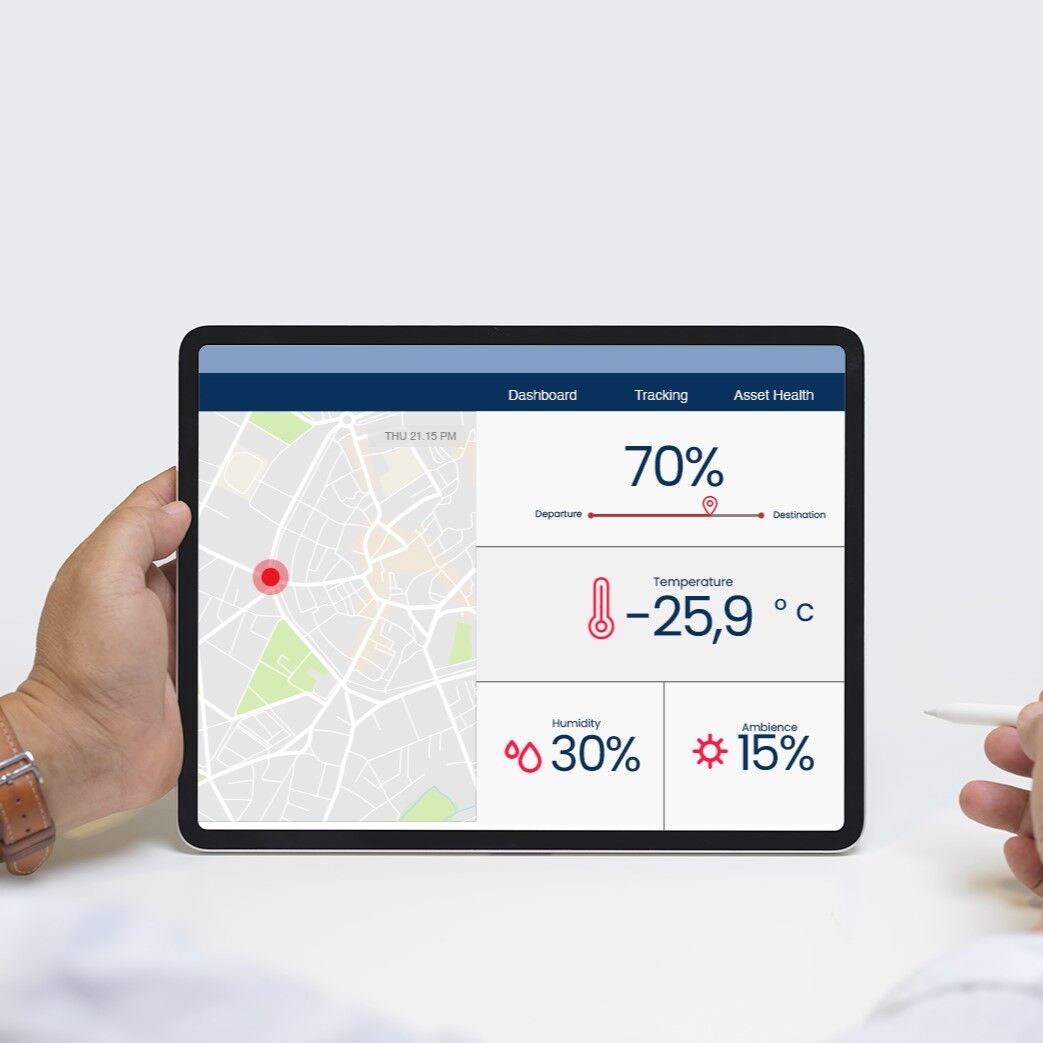
Effective logistics decision-making depends on full visibility across fleet and asset operations. IoT Control Center delivers real-time insights into vehicle performance, asset location, and field activity within a unified platform.
With more accurate operational data, companies can optimize routing, reduce travel time, and improve fuel efficiency. This leads to lower emissions while increasing overall fleet productivity.
5. Touch to Talk for Faster Field Coordination
Logistics operations often involve multiple teams working across different locations. Fast and reliable communication is essential to maintain productivity and respond effectively to changing conditions.
Touch to Talk enables instant communication similar to walkie-talkie functionality without distance limitations. This accelerates team coordination, improves emergency responsiveness, and strengthens overall operational execution.
The solution also utilizes encrypted communication channels to help protect operational information and support governance requirements.
6. IoT Asset Performance Management for Smarter Asset Management
Beyond fleets, supporting infrastructure and operational assets play a vital role in maintaining smooth logistics operations. Any disruption in asset condition can directly impact service quality and productivity.
IoT Asset Performance Management enables real-time asset monitoring, early fault detection, and predictive maintenance strategies. This improves operational reliability while reducing downtime across the supply chain management ecosystem.
Building a More Sustainable Future for Logistics and Transportation
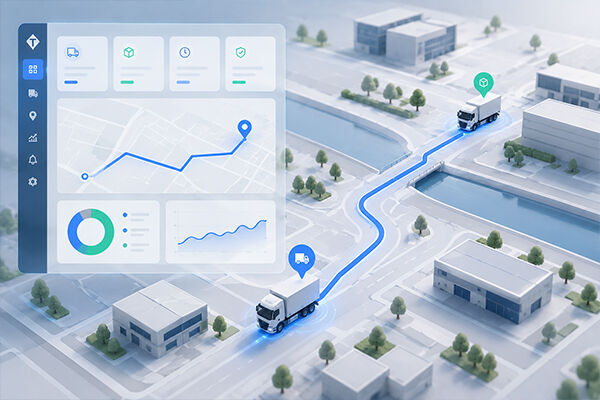
Achieving sustainable logistics requires a balanced integration of efficiency, safety, service quality, and emissions management. Digital transformation provides the foundation for achieving these goals at scale.
By leveraging IoT in logistics and transportation, AI-powered analytics, and connected communication systems, organizations can transform operational complexity into long-term competitive advantage while strengthening ESG performance across the entire value chain.
Want to learn how digital transformation can support your ESG strategy? Explore the article "ESG Sustainability Through Digital Transformation for B2B Industries" or connect with Telkomsel Enterprise to discover digital solutions that align with your sustainability goals and operational priorities.