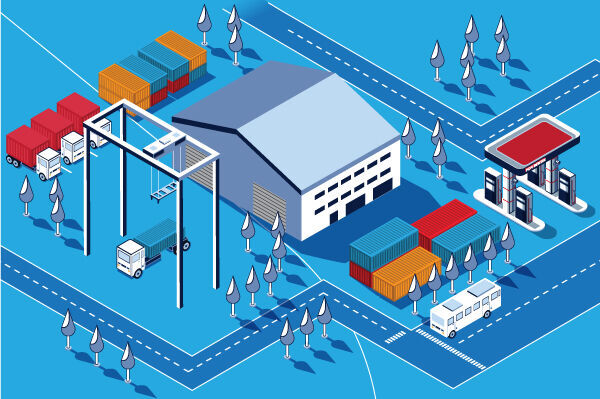






Sustainable manufacturing goes beyond the final product, it’s about optimizing energy, equipment, raw materials, and workforce management across every stage of production. Companies aim for higher productivity to ensure operations are safe, efficient, and minimize resource waste.
Operational visibility has become essential, from energy usage and asset health to workforce safety. Accurate, real-time data empowers faster, more informed decision-making across manufacturing processes.
Leveraging digital technologies allows companies to monitor production in real-time, boosting operational efficiency while advancing measurable ESG implementation in a sustainable way.
Addressing ESG Challenges in the Manufacturing Industry
For many organizations, the question of “what is ESG in the manufacturing industry?” has evolved beyond sustainability discussions. ESG is increasingly becoming part of operational strategies designed to improve efficiency, resilience, and long-term business competitiveness.
Several key challenges continue to shape the manufacturing sector:
-
High energy consumption and carbon emissions from intensive production processes.
-
Raw material and waste management to reduce resource inefficiency.
-
Ensuring worker safety in high-risk operational environments.
-
Limited visibility over assets, inventory, and supply chains.
How Technology Supports Sustainable Manufacturing

Achieving sustainable manufacturing requires more than reducing emissions. It also depends on how effectively companies manage energy usage, production assets, workforce safety, and supply chain performance.
Through digital solutions from Telkomsel Enterprise, manufacturers can streamline operations, reduce resource waste, and strengthen ESG implementation across production facilities.
1. 5G Private Network for Energy Efficiency and Data Security
Connectivity is the foundation of smart manufacturing in Industry 4.0. A 5G private network links machines, sensors, and production systems through a secure, high-speed, low-latency network.
Compared to earlier generations, 5G manages more devices while consuming less energy. Beyond supporting greener operations, private networks safeguard production data and internal communications from cyber risks.
2. Video Analytics for Workplace Safety and Production Efficiency
Worker safety is critical in manufacturing operations. AI-powered Video Analytics monitors compliance with personal protective equipment (PPE) and identifies potential safety risks in real-time.
The technology also tracks product quality, detecting defects early to reduce waste and improve efficiency. Additionally, it provides early warnings for incidents such as rising water levels or operational disruptions that could impact production.
3. IoT Asset Performance Management for Reliable Operations
Effective asset management is crucial for sustainable manufacturing. IoT Asset Performance Management provides real-time monitoring of machines, production environments, and assets.
Insights reveal energy-intensive equipment, reduce downtime, and enhance operational efficiency. Real-time visibility of inventory and material movement also strengthens supply chain management.
4. Smart Manufacturing for Efficiency and Emissions Reduction
As a core component of smart factory technology, Smart Manufacturing integrates data from multiple production processes into a connected digital ecosystem.
Through real-time analytics, manufacturers can identify inefficient workflows, optimize machine utilization, and reduce overall energy consumption. This creates opportunities to improve productivity while supporting sustainability goals.
More accurate inventory management also helps minimize raw material waste and eliminate unnecessary transportation activities. As a result, organizations can lower operational emissions while improving production efficiency.
5. INTANK for Smarter Liquid Asset Management
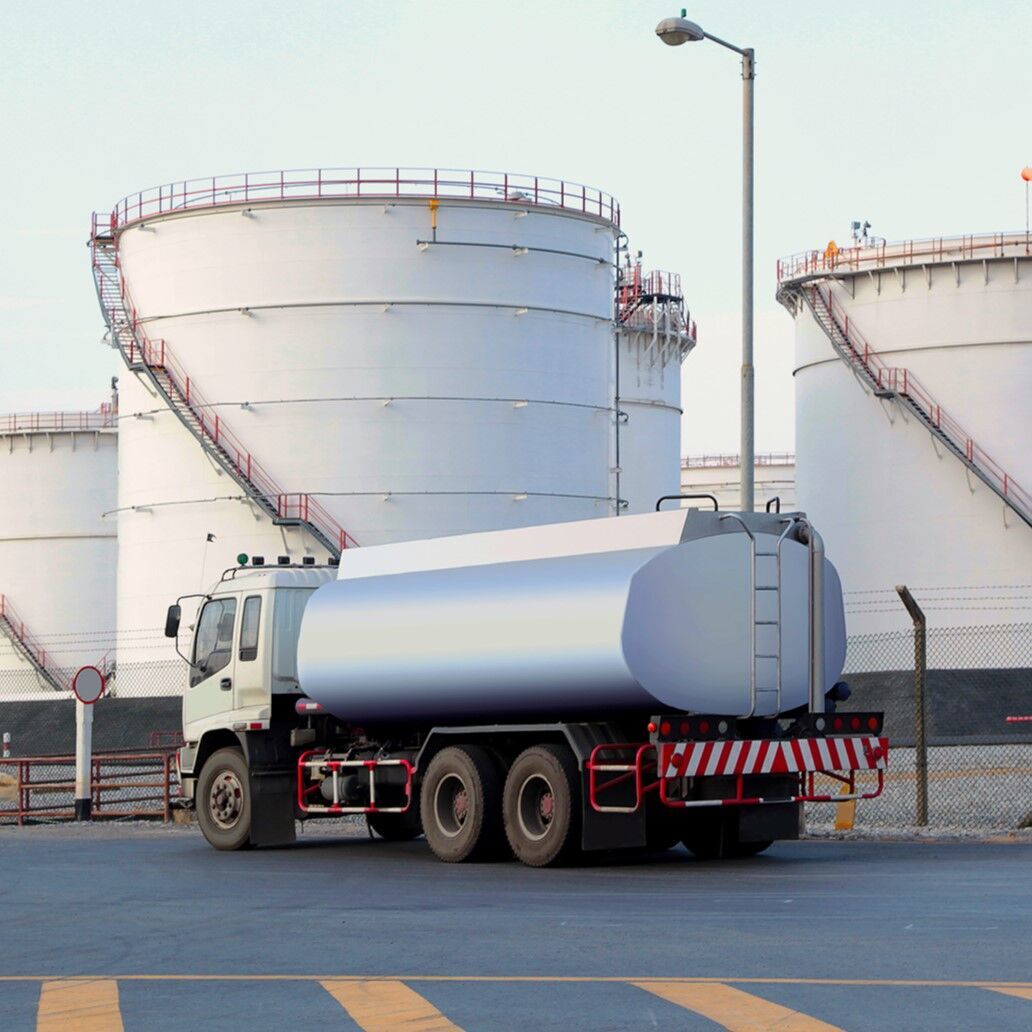
Many manufacturing facilities depend on liquid assets such as chemicals, lubricants, and production materials. Maintaining accurate inventory visibility is therefore essential for efficient operations.
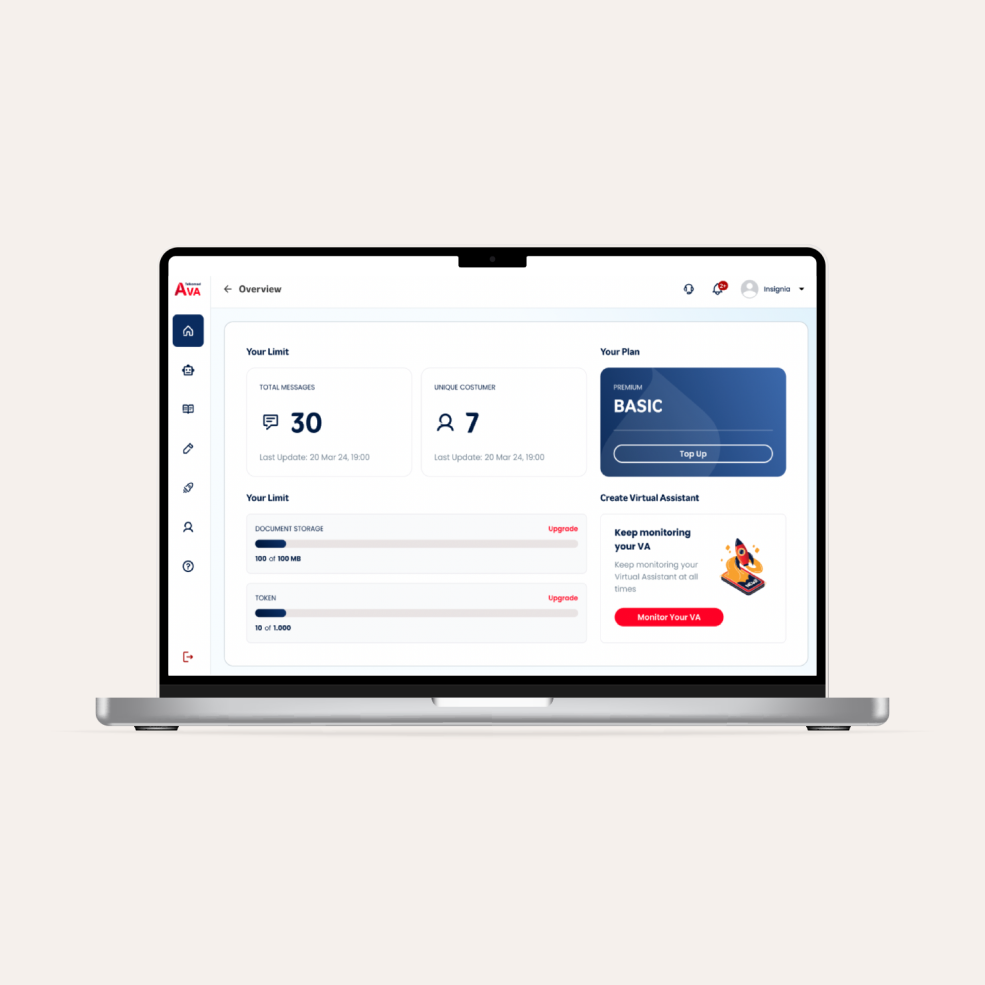
IoT INTANK provides real-time tracking of liquid inventory through an integrated dashboard, preventing overstock, shortages, or material waste, while offering early warnings for leaks or tank overflows.
6. FleetSense for Emissions Reduction and Safer Operations
Internal logistics and distribution contribute to the manufacturing carbon footprint. . FleetSense leverages AI-powered telematics to monitor vehicle usage, driver behavior, and route efficiency in real time.
These insights help organizations optimize fuel consumption, reduce greenhouse gas emissions, and improve transportation efficiency across manufacturing operations.
In addition, driver behavior monitoring supports safer working environments by identifying risky driving patterns and encouraging better safety practices.
Building a More Sustainable Manufacturing Future

Creating a more sustainable manufacturing sector requires a balanced approach that combines energy efficiency, emissions reduction, workplace safety, and supply chain optimization. Organizations that successfully integrate these elements are better positioned to improve productivity while strengthening long-term business resilience.
With the right digital technologies, manufacturers can transform ESG challenges into opportunities for operational improvement and sustainable growth.
Interested in learning how digital transformation can support your ESG strategy? Explore our article "ESG Sustainability Through Digital Transformation for B2B Industries" or connect with Telkomsel Enterprise to find digital solutions aligned with your sustainability and operational goals.