




Digital transformation is changing how businesses operate every day. As companies rely more on digital systems, ESG governance is no longer just about transparency and compliance, it also depends on how well organizations protect data, manage cyber risks, and maintain trust.
As more business activities rely on digital systems, companies need to ensure their digital infrastructure can reduce risks while supporting stronger ESG governance.
Why Data Breaches Have Become an ESG Governance Issue
As businesses become more digital, data plays a bigger role in everyday operations.
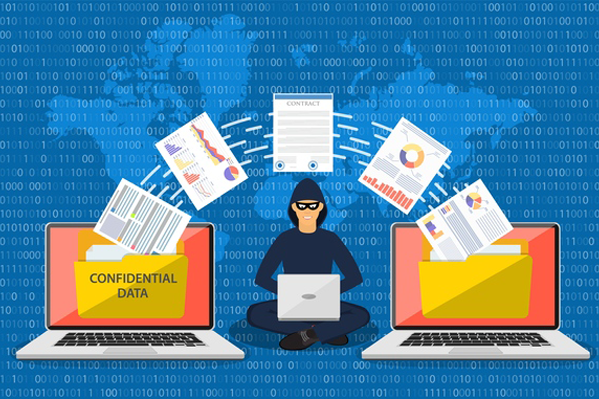
When a data breach happens, the impact goes beyond operational disruptions. It can affect a company's reputation, customer trust, and compliance with regulations. That is why data security is now an important part of ESG governance.
Telkomsel's Commitment to Strengthening Digital Governance
Building strong digital governance is also part of Telkomsel's commitment to responsible and sustainable operations. According to the 2025 Sustainability Report, several achievements include:
-
Zero verified data breach complaints throughout 2025.
-
ISO 27001:2022 certification for information security management.
-
ISO 27701:2019 certification for privacy information management.
-
ISO 25010:2023 certification to support digital system and service quality.
-
Alignment with IFRS S1 and IFRS S2 to support more structured sustainability reporting.
How Digital Solutions Support ESG Governance
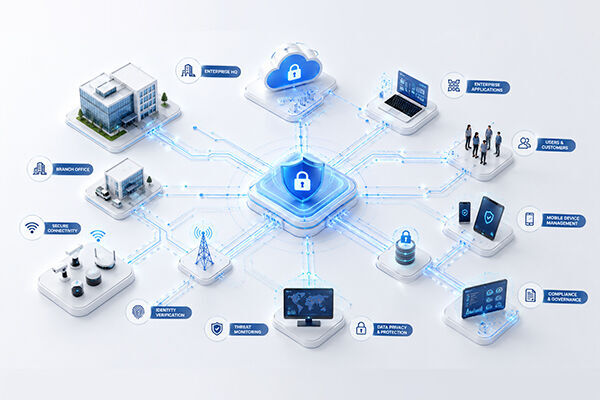
Along with these efforts, Telkomsel Enterprise's digital solutions help businesses build safer and more reliable operations while supporting long-term ESG goals.
1. Telco Verify to Reduce Fraud Risks
Security threats do not only come from systems, but also from misuse of digital identity. By combining multi-factor authentication, biometric verification, and device verification, Telco Verify helps businesses secure access to digital services and reduce the risk of fraud.
In the banking sector, this solution has helped reduce cyber fraud cases by up to 70.21%, while strengthening customer trust and improving digital risk management.
2. cPaaS Number Masking to Protect Customer Privacy
As digital interactions continue to grow, protecting personal data has become more important than ever. With cPaaS Number Masking, businesses can protect customer privacy by masking phone numbers during communication.
This solution helps reduce the risk of data misuse while creating more secure and trusted communication between service agents and customers.
3. 5G Private Network to Protect Business Operations
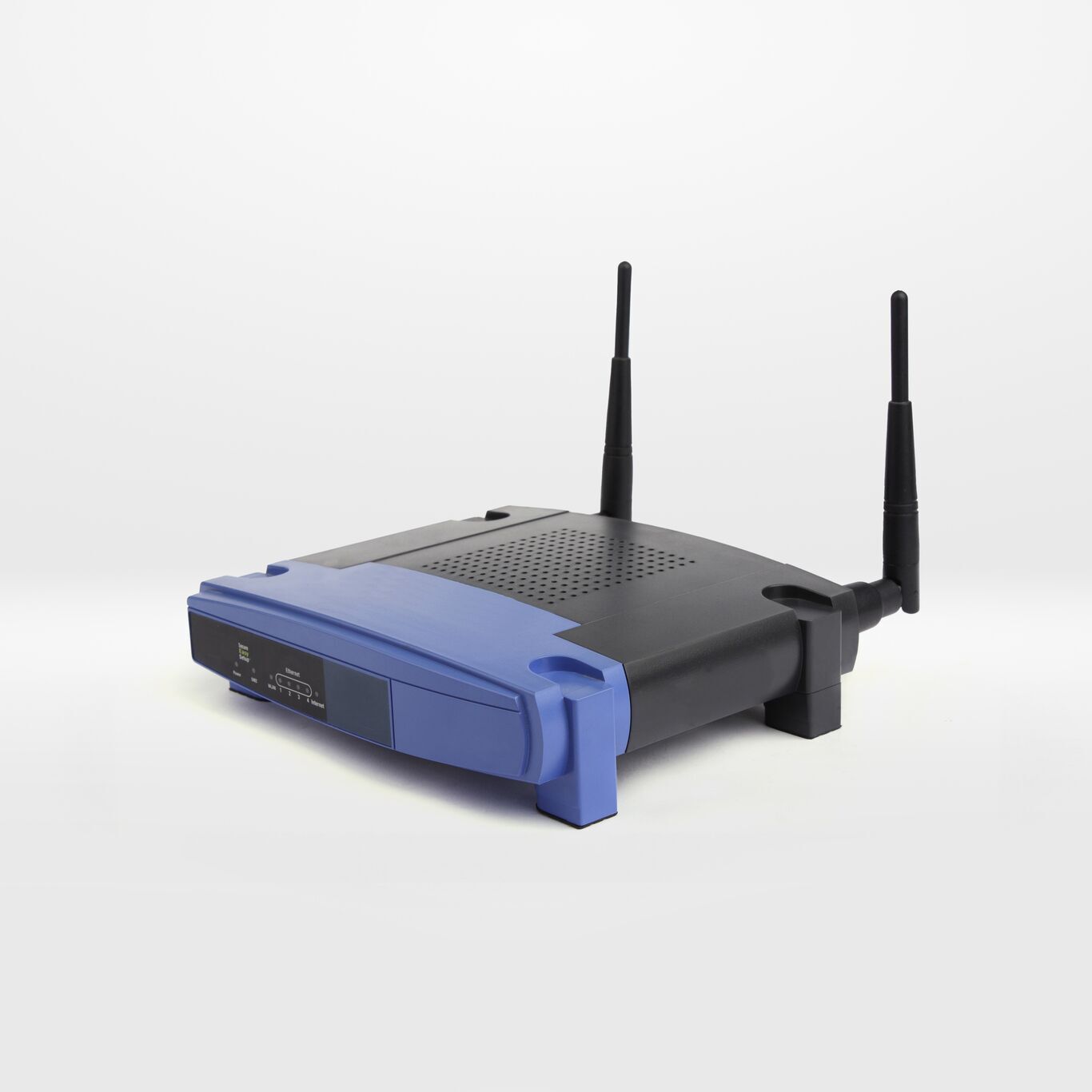
As business processes become more digital, more important data moves through company networks. This makes secure connectivity an important part of ESG governance.
With a 5G Private Network, businesses can build a secure and dedicated network to support daily operations. This helps protect sensitive data while keeping operations running smoothly across industries such as manufacturing, mining, and financial services.
4. SD-WAN for Safer Network Management
Companies with multiple offices, branches, or operational sites need secure and reliable connectivity to keep business activities running smoothly. Managed Service Connectivity helps businesses manage connections between locations more easily while keeping data exchanges secure.
This is especially useful for industries with strict compliance requirements, such as financial services, because it helps strengthen governance and operational security.
5. Direct Peering to Secure Digital Services
As digital services become a key part of business operations, companies need secure connectivity for data exchange without relying on the public internet.
With Direct Peering, data is exchanged through a private connection, helping reduce the risk of disruptions while keeping data secure. As a result, digital services can run more smoothly and reliably.
6. Mobile Device Management to Strengthen Digital Resilience
Smartphones, tablets, and laptops have become essential tools for daily business activities, especially for employees who interact directly with customers. With Mobile Device Management (MDM), businesses can manage work devices and control access based on needs. This helps reduce the risk of device misuse and potential fraud while keeping company data secure and daily operations running smoothly.
This solution also helps strengthen digital governance and improve overall business resilience.
ESG Governance and the Growing Need for Compliance
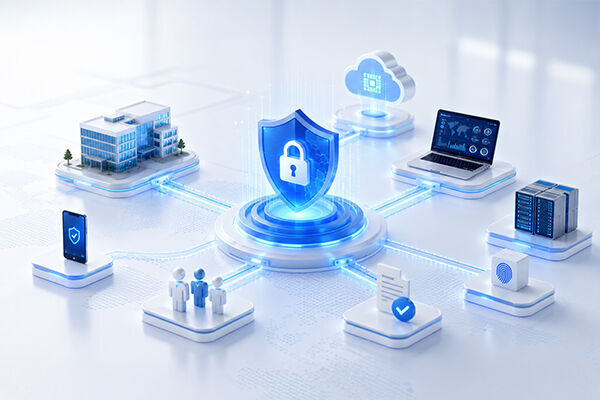
As regulations continue to evolve, businesses need to pay more attention to data management and digital security as part of good governance practices.
In Indonesia, regulations such as POJK 51/2017 and the Personal Data Protection Law (UU PDP) encourage businesses to build safer and more responsible operations. As a result, investing in digital security is no longer just about reducing risks, but also about supporting long-term business sustainability.
Building ESG Governance Through Secure Digital Infrastructure
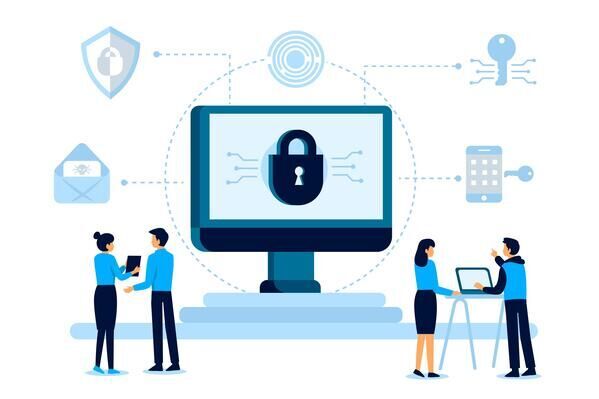
Strong ESG governance is not only about creating policies. It is also about making sure digital operations remain secure and sustainable.
With the right digital solutions, businesses can strengthen enterprise data security, improve compliance, and build a stronger foundation for long-term growth.
Want to learn how digital transformation can support your ESG strategy? Read our article, "ESG Sustainability Through Digital Transformation for B2B Industries," or consult with Telkomsel Enterprise to find digital solutions that support your sustainability and business goals.