




As environmental sustainability becomes a greater priority, many companies have set ESG (Environmental, Social, and Governance) goals, ranging from reducing emissions to improving energy efficiency. However, one of the biggest challenges is being able to accurately measure and track progress toward these goals.
How can companies know whether their energy consumption is truly optimized? How can excessive energy usage be identified more quickly? And how can operational assets be monitored consistently across different locations?
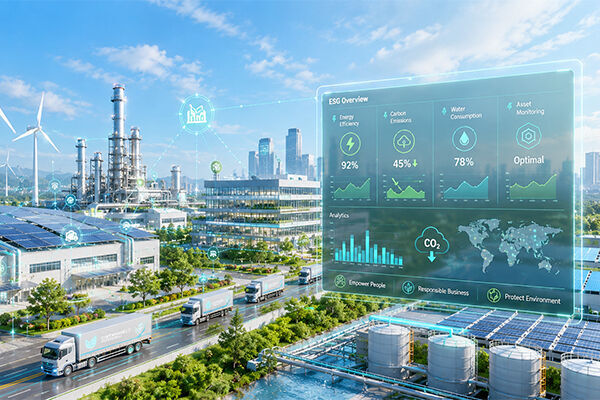
Without clear visibility into day-to-day operations, opportunities to improve efficiency can easily be missed. This is where IoT supports environmental sustainability by turning operational data into actionable insights, helping companies optimize energy use, improve operational efficiency, and manage ESG initiatives more effectively.
Why Environmental ESG Is the Hardest to Measure
Compared to the social and governance pillars, environmental performance involves many variables spread across different operational sites, from energy consumption and fuel usage to equipment conditions and resource management.
As a result, companies often face several challenges, such as:
-
Difficulty measuring carbon emissions accurately.
-
High energy consumption without clear visibility into inefficiencies.
-
Resource waste caused by leaks or damaged assets.
-
Limited visibility into water usage and waste management.
-
Challenges in collecting data for ESG reporting.
Telkomsel's Commitment to Environmental Sustainability
The use of digital technology and data to support sustainability is already part of Telkomsel’s operational journey. Based on the Telkomsel Sustainability Report 2025, key achievements include:
-
Operational energy efficiency improved by 14.3% over the past two years.
-
AI technology helped reduce energy consumption across operational activities.
-
Operational emission intensity decreased by 8.86% year-on-year.
-
361 network infrastructure sites have adopted renewable energy sources, including solar panels and micro-hydro systems.
These achievements demonstrate that digitalization can help organizations improve efficiency while delivering measurable environmental benefits.
IoT Environmental Monitoring in Achieving ESG Goals
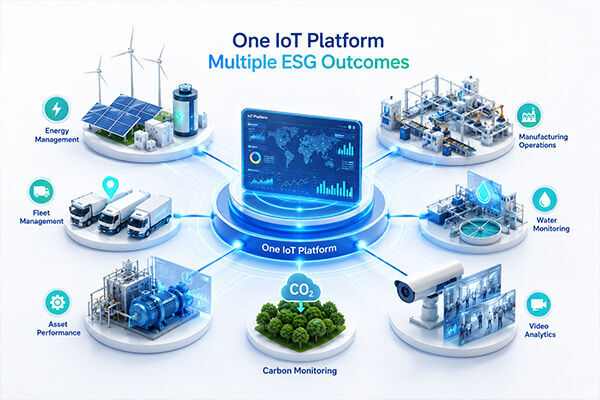
Aligned with this approach, Telkomsel Enterprise digital solutions help businesses improve operational efficiency while reducing environmental impact across industries.
1. Driving More Efficient Operations
To reduce emissions from transportation activities, companies need to manage their fleets more effectively. With IoT FleetSight, businesses can optimize travel routes, reduce vehicle idle time, and improve fuel efficiency. This helps lower carbon emissions generated by daily transportation operations.
At the same time, IoT FleetSense supports workplace safety by monitoring driver behavior and detecting potential risks in real time. This helps create safer and more sustainable operations.
Meanwhile, IoT Asset Performance Management (IoT APM) and Smart Manufacturing help companies monitor assets and production processes in real time. With better visibility across operations, businesses can reduce energy and resource waste while supporting their emission reduction efforts.
2. Improving Energy Efficiency
Energy efficiency is one of the most important indicators in ESG performance. IoT APM helps identify machines that consume excessive energy so maintenance teams can act faster before inefficiencies grow.
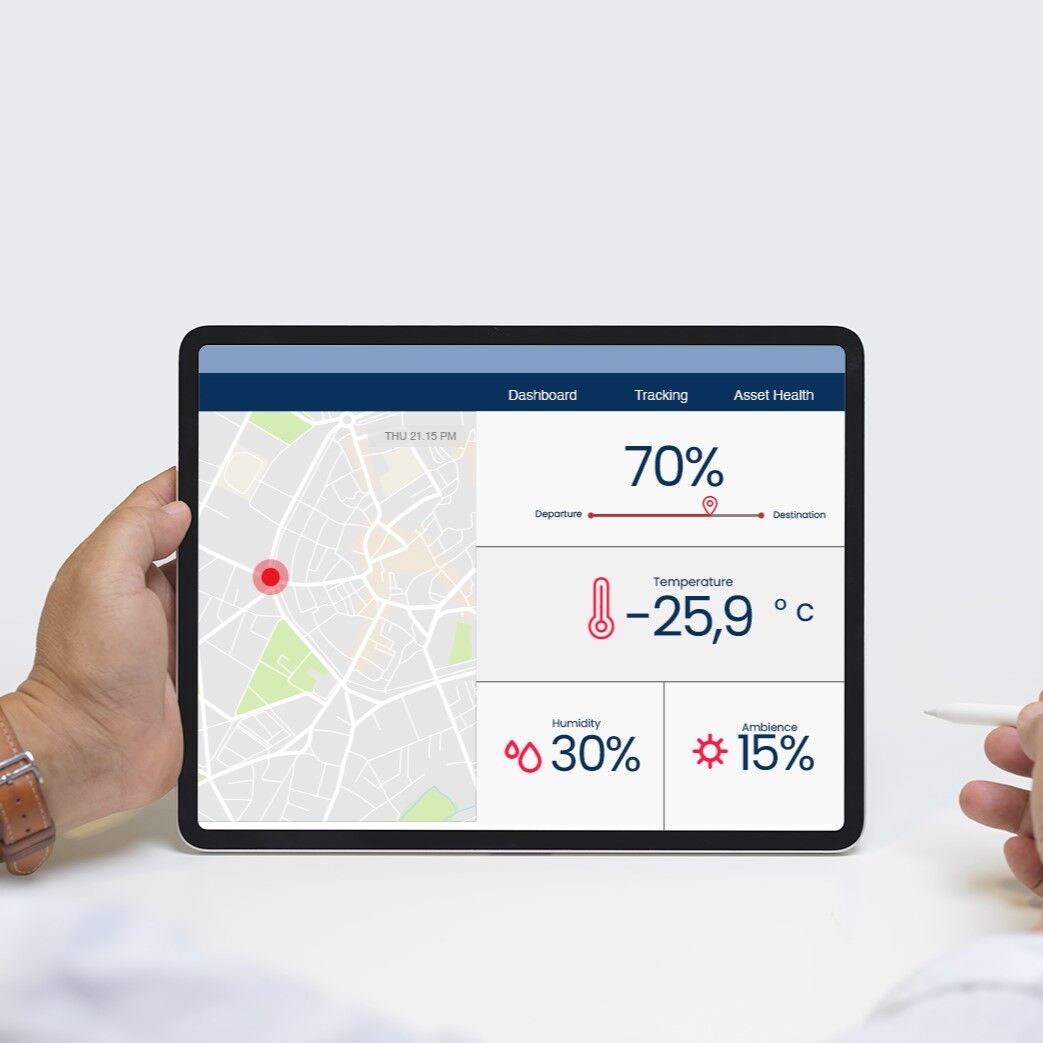
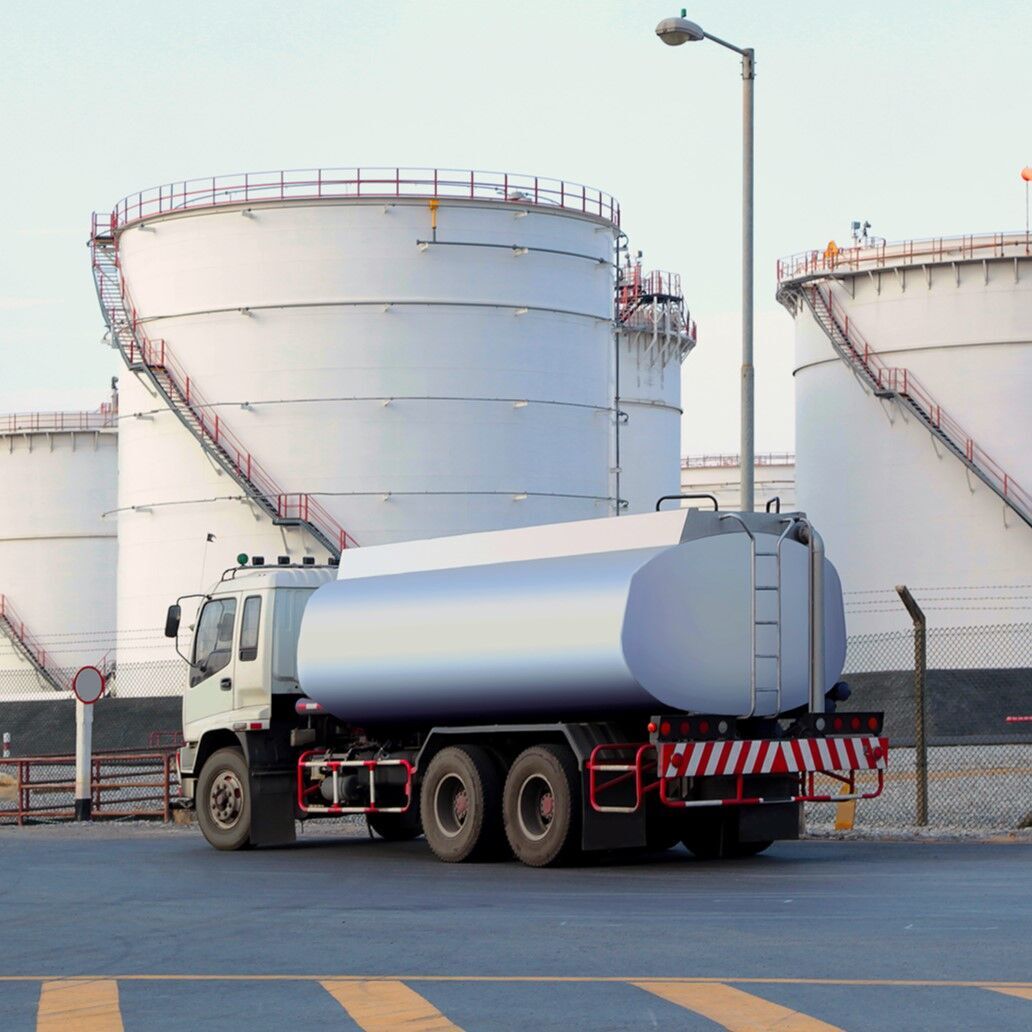
On the other hand, IoT Smart Manufacturing improves production scheduling and machine utilization so energy is used more efficiently throughout operations. Meanwhile, IoT INTANK helps reduce unnecessary energy consumption in liquid storage systems by providing real-time monitoring of tank conditions such as temperature and volume.
3. Optimizing Resource Usage
Environmental sustainability is not only about energy and emissions. Efficient resource management is also a key part of ESG strategy.
Through real-time connected sensors, IoT INTANK can detect leaks and prevent tank overflows before they cause major losses.
IoT Asset Performance Management supports predictive maintenance, helping extend asset lifespan and reducing the need for premature equipment replacement. At the same time, Video Analytics monitors production quality so defective outputs can be identified earlier, helping reduce production waste.
4. Optimizing Sustainable Water Management
Water management is often overlooked, even though it is an important part of environmental sustainability.
With IoT-based smart water monitoring, companies can track water usage in real time, detect leaks, and identify unusual consumption patterns. Supported by connectivity technologies such as NB-IoT, water usage data can be monitored more reliably, enabling businesses to take faster action to reduce waste and use water resources more efficiently.
Turning Data Into Measurable Impact
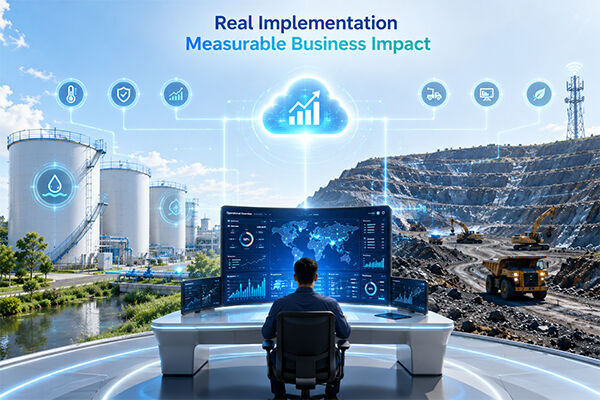
Digital technology creates real value when operational data is transformed into measurable outcomes.
One example comes from the agriculture sector, where IoT INTANK is used to monitor tank volume, temperature, and oil quality in real time to support supply chain operations. Between 2024 and 2025, this solution helped reduce operational costs by up to 35%, while minimizing waste and improving logistics efficiency.
Another example comes from the mining industry, where Private Network implementation supports automation and operational monitoring. With latency below 50 milliseconds, operations become more reliable and contribute to more than a 2% increase in productivity.
Building a More Measurable Environmental Sustainability Strategy
Achieving ESG targets is not only about setting commitments, but also ensuring every action can be measured consistently over time.
With the right IoT and digital solutions, businesses can gain better visibility into energy usage, emissions, assets, and resource consumption, allowing sustainability strategies to be executed more effectively.
Want to learn how digital transformation can support your company's ESG strategy? Read our article, "ESG Sustainability Through Digital Transformation for B2B Industries", or consult with Telkomsel Enterprise to discover digital solutions that align with your sustainability and operational goals.