



Have you ever created an ad campaign that looked sleek, modern, and expensive but didn’t quite hit the mark with your target audience? This is where a solid advertising strategy comes into play. But before diving into how to reach the right audience, let’s first answer the fundamental question: What is advertising?
What is Advertising (Ads)?
Advertising, or ads, is everywhere. Whether it’s a flashy billboard, a sponsored post on Instagram, or a catchy jingle on the radio, advertising is the art and science of capturing attention and turning it into action.
Simply put, advertising is a method businesses or companies use to grab the attention of their audience and persuade them to take specific actions. These actions could include purchasing a product, trying out a service, or simply increasing awareness of a brand.
In the business world, advertising serves many functions, such as introducing a brand to the market, boosting sales, building a company’s image, and differentiating products from competitors. Without the right advertising strategy, a product may struggle to stand out in today’s competitive market.
While often confused with marketing, advertising is just one piece of the larger marketing puzzle. Marketing encompasses the entire strategy for attracting and retaining customers, while advertising focuses specifically on crafting persuasive messages to achieve those goals. Think of it as the megaphone that amplifies your brand’s voice in a crowded marketplace.
Types of Ads
Not all ads are created equal. Depending on your goals, budget, and target audience, different types of advertising can yield varying results. Before you start implementing your advertising strategy, here are some types of ads you should know.
1. Online Advertising (Digital Ads)
Have you ever seen an ad while scrolling through social media or browsing a website? That’s what we call online advertising or digital ads.
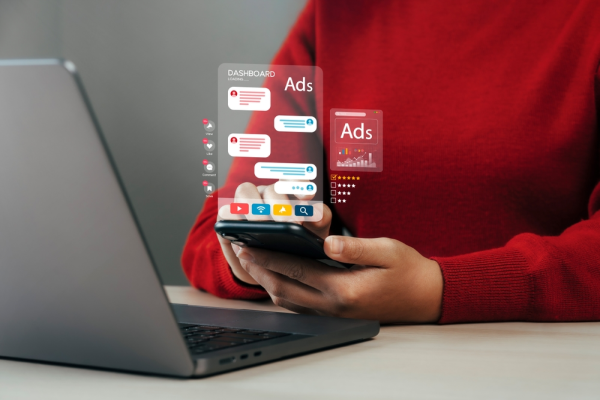
Digital ads use technology, like the internet, to reach a specific audience. This form of advertising is extremely popular because it allows businesses to target individuals based on factors like age, location, interests, and even online behaviors.
Online advertising is also more flexible in terms of cost. One common model is cost per click (CPC), where you only pay if someone clicks on your ad. Popular platforms for digital ads include Google Ads, Facebook Ads, Instagram Ads, YouTube Ads, and LinkedIn Ads.
2. Print Advertising
Although the digital world is on the rise, print advertising is still relevant, especially for targeting local audiences. Print ads include those in newspapers, magazines, brochures, flyers, and posters.
If you want to build credibility in a local community or reach an audience that prefers physical media, print ads are still worth considering.
3. Broadcast Advertising
Broadcast ads are commonly seen on television and heard on the radio. For TV, these ads can come in the form of video commercials or product placements within shows or movies. For radio, ads usually take the form of jingles or spoken commercials.
Broadcast advertising can reach large audiences at once, making it effective for mass marketing. However, it works best if your target audience is broad.
4. Outdoor Advertising
As the name suggests, outdoor advertising refers to ads displayed in public spaces, such as billboards, banners, and ads on public transport. This type of ad is often placed in high-traffic areas, making it ideal for reaching people who are out and about.
5. Product Placement
Have you ever noticed a product subtly appearing in a movie or TV show? That’s product placement. This form of advertising integrates products into entertainment content without an overt promotional message.
For example, a character using a particular smartphone brand without mentioning it explicitly is a form of product placement.
Advantages of Digital Ads Over Other Types of Ads
While traditional forms of advertising are not entirely obsolete, digital ads have taken center stage for a variety of reasons. Here are some of the benefits of digital ads.
1. Targeted Reach
Traditional ads, such as billboards or TV commercials, are seen by anyone within their range. On the other hand, digital ads allow you to target your audience more precisely. You can select who will see your ad based on their age, location, interests, and even their online habits.
For instance, if your business targets younger people, Instagram Ads might be the right choice. Instagram allows you to pinpoint who will view your ads.
2. High Flexibility
One of the reasons digital ads are so popular is their flexibility. You can control the format, duration, and platform of your ads, tailoring them to your needs.
Whether it’s text, images, videos, or a combination, digital ads can be adjusted to fit your campaign goals. Additionally, you can tweak your strategy mid-campaign based on audience feedback or trends.
3. Real-Time Monitoring
Unlike traditional ads, which can be difficult to measure, digital ads allow you to monitor performance in real-time. You can track how many people clicked on your ad, how many just viewed it, and what the conversion rate is. This data allows you to optimize your campaigns for better performance.
4. Variety of Formats
From short video clips to immersive storytelling, digital ads cater to every type of campaign. Want to boost brand awareness? A YouTube video might do the trick. Looking to drive sales? Social media ads with clear calls-to-action are your best bet.
5. Instant Promotion
If you want your campaign to go live quickly, digital ads are the way to go. As soon as you publish your ad, it’s visible to your audience—no need to wait for printing or production delays like with print or TV ads.
6. Wider Reach
Thanks to the internet, digital ads aren’t limited by geography. Whether you’re targeting a local community or an international audience, digital platforms ensure your message reaches far and wide.
7. Cost-Effectiveness
Compared to the high cost of TV or print ads, digital ads are generally more affordable. For example, with Pay Per Click (PPC), you only pay when someone clicks on your ad, making it a much more efficient way to spend your advertising budget.
Tips for Reaching Your Audience with Digital Ads
All the advantages of digital ads can only be fully realized if you know how to leverage them effectively. This is where the real challenge lies. To help you reach the right audience with digital ads, here are expert tips to guide your strategy.
1. Know Your Audience
Before launching any ad campaign, ensure you understand your target audience. Create audience personas that describe your ideal customer, including their age, location, interests, and challenges. This will help you craft ads that speak directly to their needs.
2. Use Demographic and Behavioral Data
Platforms like Google Ads and Facebook Ads allow you to target audiences based on factors such as age, gender, hobbies, and shopping habits. By leveraging this data, you can ensure your ads reach the most relevant people, ensuring your marketing budget is spent efficiently.
3. Optimize with SEO
SEO (Search Engine Optimization) is not just for websites, it can also help improve the visibility of your digital ads. Use the right keywords in your ads to make them easier to find by those actively searching for products or services like yours.
4. Segment Your Audience
Not all of your customers have the same needs. By segmenting your audience into smaller, more specific groups, you can tailor your messaging for each group.
For example, if you’re selling beauty products, you might segment your audience by skin type or age to make your ads more personalized and effective.
5. Choose the Right Platform
Each platform has its own audience. If you're targeting younger individuals, Instagram and TikTok are great choices because they are visual and interactive.
If your audience consists of professionals, LinkedIn may be more effective. Make sure you choose the right platform for your target demographic to maximize your ad's impact.
6. Use Retargeting to Boost Conversions
Have you ever seen an ad for a product you previously viewed online? That’s called retargeting, and it’s a powerful technique to re-engage potential customers who’ve already interacted with your brand.
Whether they visited your website, added items to their cart, or clicked on a previous ad, retargeting reminds them of your offering and nudges them closer to conversion.
7. Create Quality Content
Great ads are more than just promotions, they provide value to your audience. Whether it’s educational, entertaining, or problem-solving content, ensure your ads are relevant and provide real value. This will increase the likelihood of your audience engaging with your brand.
8. Monitor and Refine Your Strategy
Always track the performance of your ads. Use analytics to identify what’s working and what isn’t, and adjust your strategy accordingly. Constantly refining your digital ad campaigns ensures you’re optimizing for better results over time.
Maximize Your Business Potential with DigiAds
Digital ads are an effective tool for boosting brand awareness, engagement, and conversions. However, their success depends on how well you use them.
DigiAds from Telkomsel Enterprise is here to help businesses accurately reach their target audience through various channels, such as messaging, display ads, and IPTV. By leveraging smart technology and measurable data, DigiAds ensures that every campaign delivers optimal results. Say goodbye to ads that go unnoticed and hello to impactful, data-driven strategies that truly resonate.
Contact us today for more information on how DigiAds can help you reach your audience like never before.