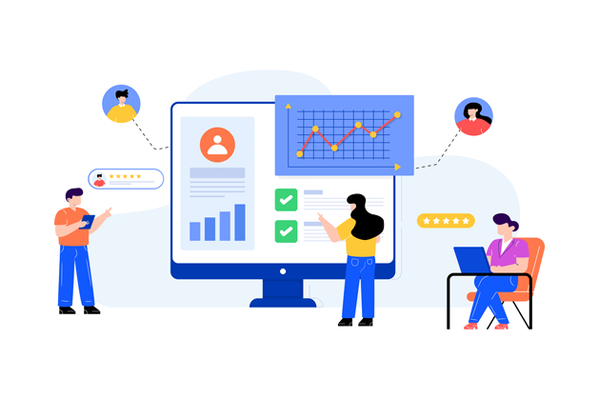






Imagine being able to show the right message to the right person at the perfect moment. That’s the promise of behavioral targeting, a game-changing marketing strategy that uses real user behavior to craft personalized experiences that convert.
Instead of casting a wide net and hoping for results, businesses now have the power to target users based on what they actually do online, what they click, where they linger, and what they’re looking for. The result? Smarter campaigns, higher engagement, and better ROI.
In this article, you’ll discover what is behavioral targeting, how it works behind the scenes, and how to harness it to build marketing campaigns that actually resonate with your audience.
What Is Behavioral Targeting
Behavioral targeting is a digital marketing technique that enables businesses to serve ads or content based on users' online behavior. This includes activities like websites visited, time spent on certain pages, product searches, and interactions with ads.
From this behavioral data, businesses can deliver relevant and personalized content to individuals or audience segments. Simply put, behavioral targeting marketing ensures that users see ads that align with their interests and needs.
Unlike traditional methods that show ads randomly, behavioral targeting helps businesses reach potential customers more precisely, making campaigns more effective and reducing wasted ad spend.
It’s important to distinguish behavioral targeting from contextual targeting. While contextual targeting shows ads based on the content of the page being viewed, like showing travel ads on a travel blog, behavioral targeting personalizes ads based on the user's past behavior.
This means even if someone is reading about fitness, if their history shows interest in running shoes, they’ll be shown shoe ads rather than generic fitness tips. To implement behavioral targeting, businesses typically rely on technologies like:
-
Cookies: Small text files stored on user devices to track online activity.
-
Data Management Platforms (DMPs): Systems that collect and analyze user data to inform marketing strategies.
-
Customer Relationship Management (CRM) software: Tools for tracking user interactions and managing customer data.
-
Digital ad platforms: Solutions that enable audience segmentation and targeting based on behavior.
What Are the Benefits of Behavioral Targeting?
Behavioral targeting brings a range of benefits that make it a powerful tool for digital marketers:
1. Retargeting Across Platforms
This allows you to show repeat ads to users on different sites. For example, if someone views sportswear on one website, you can retarget them with similar ads on others, reinforcing brand exposure and increasing purchase likelihood.
2. Personalized Content
By using behavioral insights, you can tailor ads and content to users’ preferences. If a user frequently searches for shoes, they’re more likely to see fashion-related ads later, increasing the relevance and engagement of your campaigns.
3. Marketing Cost Efficiency
Rather than casting a wide net and hoping for results, behavioral targeting ensures marketing budgets are spent reaching users who have already shown interest. This reduces wasted impressions and improves cost per acquisition (CPA).
4. Higher Conversion Rates
When users see ads that match their interests, they’re more inclined to take action, whether it’s clicking through, signing up, or making a purchase. This leads to higher conversion rates and a better return on investment (ROI).
5. Detailed Audience Segmentation
Unlike broad demographic targeting, behavioral targeting enables precise segmentation based on actions such as searched products, read content, or purchase habits, resulting in more focused campaigns.
6. Improved Customer Loyalty
Personalization doesn’t stop at first-time buyers. Behavioral targeting helps maintain engagement with existing customers by recommending complementary products or offering loyalty rewards, encouraging repeat purchases.
7. Better Ad Experience
Users appreciate it when ads are relevant to their interests. Irrelevant ads can be annoying, but personalized ones feel helpful, improving overall satisfaction and perception of your brand.
8. Enhanced Analytics and Optimization
The data generated from behavioral targeting provides valuable insights into customer preferences and trends. These insights can inform future campaigns, product development, and overall marketing strategy.
Types of Behavioral Targeting
There are two common types of behavioral targeting used in digital marketing campaigns:
1. Onsite Behavioral Targeting
This refers to tracking and responding to user behavior within your own website or app. For instance, if someone views a product but doesn’t purchase it, you can display similar items on their next visit, nudging them toward conversion.
2. Network Behavioral Targeting
Also known as offsite behavioral targeting, this involves tracking user behavior across multiple websites using cookies and IP addresses. Advertisers use this data to serve personalized ads on third-party sites within ad networks.
For example, after viewing a pair of sneakers on an online store, a user might see ads for those same sneakers on unrelated websites they browse later.
How Does Behavioral Targeting Work?
Behavioral targeting works through several key steps that allow businesses to reach users effectively:
1. Data Collection
First, data is collected through CRM tools, apps, websites, cookies, and automation platforms. This includes:
-
Pages visited: to assess interest frequency.
-
Time on site: gauge engagement levels.
-
Click ads or links: to identify effective content.
-
Site interactions: to find high-performing elements.
-
Abandoned carts: to retarget users who left before purchasing.
-
Purchasing habits: promoting related products.
-
Visit frequency: to track urgency or ongoing interest.
2. Audience Segmentation
Once enough data is collected, users are grouped into segments based on shared behaviors. For instance:
-
Users who browsed but didn’t buy
-
Frequent visitors interested in a specific category
-
Customers who made recent purchases
Each segment receives tailored messaging designed to convert them at the right stage of their journey.
3. Strategy & Planning
Marketers then create targeted campaigns for each segment This involves two steps:
-
Campaign planning: Developing strategies to target specific segments.
-
Message customization: Crafting ad messages that resonate with each group based on behavioral insights.
4. Data Activation
You then use the data to power real-time ad placements or content delivery. For example, users who viewed certain product categories might see promotions tailored to those interests.
5. Measurement & Optimization
Campaign performance is continuously monitored using metrics like ROI, click-through rates, and conversions. Insights from this data inform ongoing improvements to targeting, messaging, and audience segmentation.
6. Privacy Protection & Compliance
Behavioral targeting must also consider user privacy and comply with regulations such as GDPR (Europe) or CCPA (California). This includes being transparent about data usage and offering users control over their personal information.
Behavioral targeting marketing is no longer just a luxury, but it’s a necessity for businesses aiming to stay competitive in the digital age. By leveraging user data and delivering personalized experiences, brands can significantly enhance engagement, drive conversions, and build long-term customer relationships.
Whether you're a small business or enterprise-level company, implementing behavioral targeting can help you make smarter marketing decisions, reduce waste, and connect more meaningfully with your audience.
To support businesses like yours make the most of this strategy, Telkomsel Enterprise offers Telkomsel DigiAds, a smart digital advertising solution with accurate audience segmentation.
Through DigiAds, you can reach the right audience with personalized messages based on demographics and behavioral insights. Ads are delivered in various formats to ensure your message hits home.
With the right behavioral targeting strategy, and support from Telkomsel DigiAds, you’ll be better equipped to grow your business and connect with your ideal customers.