




You have sent the invoice, the client has used the product, yet the payment remains pending. This frustrating scenario frequently occurs when teams treat billing collections as mere administrative busywork.
Keep this top of mind, billing collections is a systematic process designed to manage accounts receivable, so outstanding debts do not linger. Whenever this workflow faces disruptions, your business cash flow will inevitably suffer.
What Exactly Are Billing Collections?
As mentioned earlier, billing collections encompass the end-to-end process of requesting and managing payments from clients for goods or services delivered. This workflow covers everything from generating invoices and dispatching bills to sending payment reminders and confirming that funds have successfully landed in your corporate account.
While it might sound straightforward on the surface, billing collections play a massive role in keeping your company's cash flow robust. Without a structured collection strategy, payments can easily slip through the cracks, even if your sales numbers look fantastic.
Consider a food distribution company supplying restaurants weekly. Once the delivery is complete, the company issues an invoice with a 30-day payment term. The entire journey, from dispatching that invoice and nudging the restaurant as the due date approaches, to finally verifying the received funds is the true essence of billing collections.
Why Billing Collections Matter
Healthy cash flow depends on a consistent balance between incoming and outgoing money. Businesses cannot rely on projected revenue alone, they need actual payments to cover operating expenses.
Regardless of whether customers have already paid, companies must continue paying salaries, suppliers, utilities, rent, and other operational costs. Here are several reasons why billing collections are essential.
1. Maintain Stable Cash Flow
Payroll, daily operations, and supplier fees are non-negotiable expenses. Regardless of whether clients have paid, these bills remain due. Effective billing collections guarantee a steady income stream, allowing the business to operate without financial hiccups.
2. Reduce the Risk of Bad Debt
The longer an invoice remains unpaid, the higher the possibility it will never be collected. Consistent follow-up, timely reminders, and clear communication significantly reduce the chances of overdue invoices becoming a bad debt.
3. Strengthen Customer Relationships
Many people associate collections with uncomfortable conversations, but professional billing collections help build trust.
Customers appreciate companies that communicate clearly, provide accurate invoices, and send polite payment reminders instead of aggressive collection messages. Professional communication creates a better customer experience while encouraging on-time payments.
4. Reduce Your Finance Team's Workload
Manually checking invoice due dates, contacting customers individually, and tracking every payment consumes valuable time.
A more organized or automated billing collections system allows finance teams to focus on strategic financial activities instead of repetitive administrative work. Automated reminders and payment monitoring also improve consistency.
5. Support Better Business Decisions
Accurate data helps finance teams track collection performance, identify chronically late payers, and spot frequently overdue invoices. This measurable monitoring allows companies to mitigate bad debt risks and refine their strategies effectively.
The Billing Collections Process
Every business wants an efficient billing collections system, but achieving one requires a structured workflow. Successful collections begin with a series of organized steps that work together to improve payment success.
1. Create and Send Accurate Invoices
Once products or services have been delivered, businesses should prepare invoices that are clear, complete, and easy to understand. Every invoice should include invoice amount, due date, description of products or services, payment methods, and payment instructions
Invoices should also be sent as soon as possible. Many payment delays occur simply because invoices arrive late or contain incomplete information.
2. Send Payment Reminders
Not every client pays right on time. Proactive follow-ups are essential.
Send reminders via email, WhatsApp, or phone a few days before and after the due date. Keep the tone consistently professional and courteous.
3. Resolve Payment Issues and Disputes
Sometimes customers delay payment because they have legitimate concerns. For example, they may question invoice details, believe certain services were not delivered, or discover administrative errors.
Responding quickly helps prevent minor issues from becoming lengthy payment delays. The faster disputes are resolved, the sooner invoices can be settled.
4. Reconcile Payments
Once payment is received, the finance team must verify that the received amount perfectly matches the issued invoice. This reconciliation prevents accounting errors that could skew your financial reports.
5. Monitor and Evaluate Collection Performance
Regularly review the entire billing collections process. Identify which clients consistently pay late or which invoices take the longest to clear. Routine evaluations help refine your system for maximum speed and efficiency.
Common Challenges in Billing Collections
Managing billing collections is not always easy. Even profitable businesses can experience cash flow problems when their collection process is ineffective.
Many of the biggest challenges begin with small operational issues that gradually become larger financial problems.
1. Complicated Billing Processes
Overly complex billing systems often confuse customers. Invoices that are difficult to understand, incomplete payment information, or lengthy administrative procedures may cause customers to postpone payment while seeking clarification.
Businesses that still rely heavily on manual processes often face higher risks of delays and human error.
2. Inconsistent Payment Terms
Different customers sometimes receive different payment terms without clear communication. Some customers are given 14-day payment periods, others receive 30-day terms, while some invoices lack clearly defined due dates altogether.
This inconsistency frequently leads to misunderstandings and unnecessary payment delays.
3. Late Payments
Late payments remain one of the biggest billing collections challenges. Customers may forget payment deadlines, wait for internal approvals, or experience temporary cash flow problems of their own.
Unfortunately, delayed payments affect more than company revenue. They can also delay supplier payments, disrupt budgeting, and create operational challenges throughout the business.
Consistent follow-up is essential, although manual reminders often require considerable time and effort.
4. Invoice Disputes
Customers sometimes postpone payment because they disagree with invoice amounts or believe there are errors. Disputes may involve incorrect pricing, missing services, duplicate invoices, or administrative mistakes.
Without prompt resolution, small disagreements can damage long-term business relationships. Proper documentation and clear communication help resolve these issues more efficiently.
5. Bad Debt Risk
The longer invoices remain outstanding, the greater the possibility they will become a bad debt when customers are unable or unwilling to pay.
Beyond lost revenue, bad debt consumes additional company resources through repeated collection efforts.
6. Maintaining Positive Customer Relationships
Billing collections require balance. Businesses must collect payments while preserving positive customer relationships. Collection practices that are too aggressive may discourage future business and reduce customer loyalty.
Professional, respectful communication helps maintain trust while encouraging prompt payment.
7. Customer Data Stored Across Multiple Systems
Many organizations store customer records, invoices, payment history, and communication logs across different platforms. Sales teams, finance departments, and customer service representatives often use separate systems, making it difficult to obtain a complete view of each customer's payment status.
Disconnected information slows collection efforts and reduces overall efficiency.
Effective Strategies to Maximize Billing Collections
Successful billing collections involve far more than sending invoices. Companies need structured processes that encourage timely payments while minimizing overdue accounts.
Here are five practical ways to improve your billing collections strategy.
1. Use Clear and Easy-to-Read Invoices
Well-designed invoices reduce confusion and help customers understand their payment obligations immediately. Include complete billing information, payment deadlines, available payment methods, and detailed service descriptions to eliminate unnecessary questions.
2. Establish Payment Terms Upfront
Many payment delays happen because expectations were never clearly established. Businesses should communicate payment terms before work begins, including due dates, late payment policies, installment options when available, and other important conditions.
Clear agreements reduce misunderstandings and improve payment compliance.
3. Send Consistent Payment Reminders
Regular reminders are the backbone of billing collections. Reach out before the due date and follow up immediately if the payment is missing. Always maintain a polite, professional tone.
4. Leverage Automation and AI
Modern businesses no longer need to rely entirely on manual tracking. Automation and AI accelerate follow-ups, lighten the team's workload, and guarantee that no invoice slips through the cracks while ensuring timely reminders.
5. Offer Multiple Payment Methods
The easier it is for customers to pay, the more likely they are to pay on time. Businesses should provide flexible payment options such as bank transfers, virtual accounts, digital wallets, online payment gateways, or other secure electronic payment methods that match customer preferences.
Optimize Billing Collections with SAVIA from Telkomsel Enterprise
Facing increasingly complex collection challenges, many companies are seeking smart solutions to streamline their processes. One such solution is SAVIA from Telkomsel Enterprise.
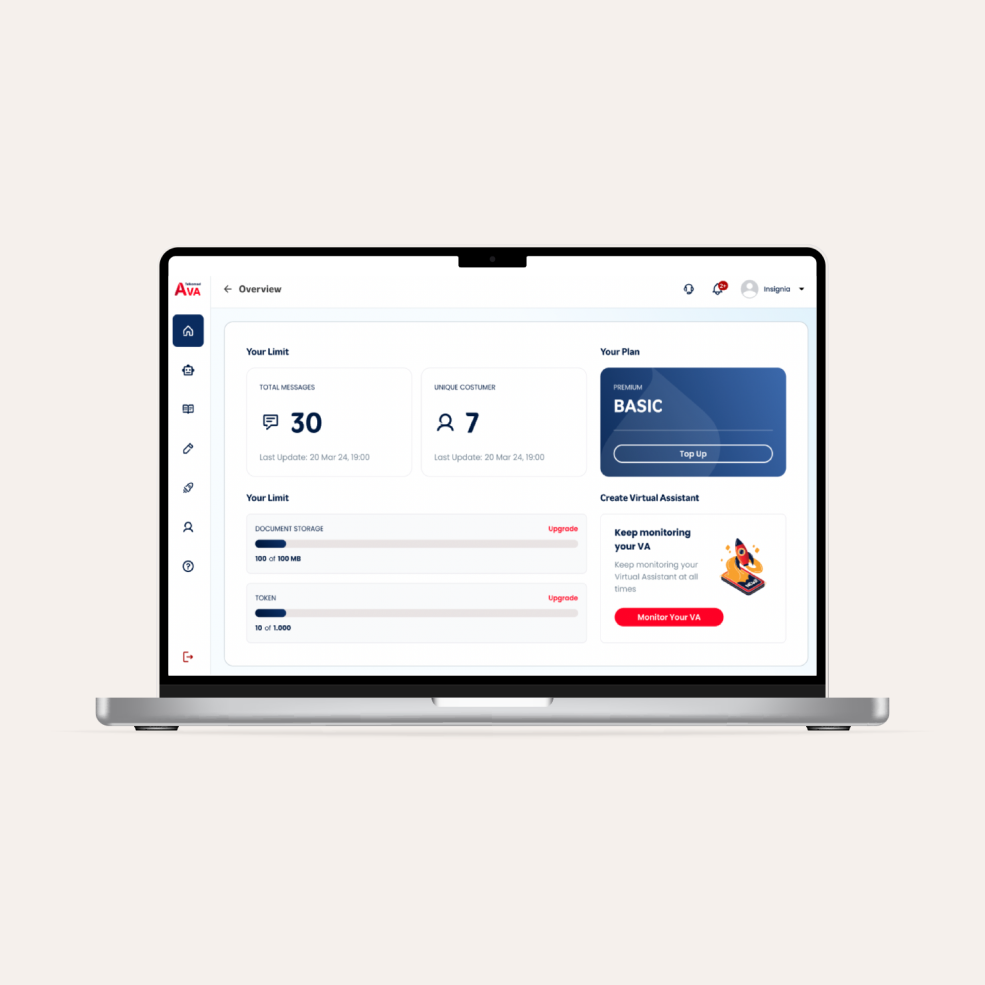
Operating as an AI-powered virtual assistant, SAVIA is designed to help businesses supercharge their billing collections. By automating the workflow, SAVIA conducts interactive follow-ups, sending personalized payment reminders, and promptly answers client inquiries regarding their bills.
This approach makes the collection process incredibly efficient without losing human touch. Clients enjoy a smooth, comfortable communication experience, while the company significantly reduces the manual workload that traditionally drains valuable time.