




The target audience is one of the key factors that can determine the success of a marketing strategy. You may already be running ads, posting content consistently, and launching special promotions during important moments. Yet, the results may still fall short of expectations.
You can put various marketing strategies into action, but if you are reaching the wrong people, those efforts are unlikely to deliver maximum results.
The reason is simple, you cannot market a product or service effectively without knowing who genuinely needs it and who is most likely to buy it. Whatever marketing strategy you choose, it needs to be aligned with the people you want to reach.
So, what is target audience, and why does it play such an important role in marketing?
What Is Target Audience?
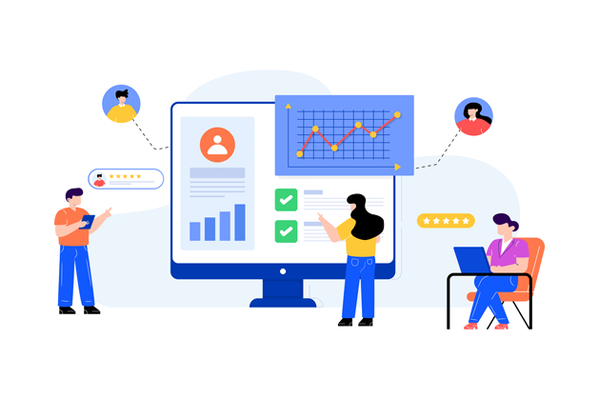
Simply put, the target audience is the group of people most likely to receive, understand, and respond to a brand's marketing message. They generally share certain characteristics, such as age, gender, location, education, income, interests, and behavior.
However, understanding your target audience is about more than simply identifying people who might buy your product. You also need to understand the problems they face, what they need, their habits, and the reasons behind their purchasing decisions.
This deeper understanding is what helps businesses determine the most appropriate way to communicate with them. The better you understand these details, the easier it becomes to create marketing messages that feel personal, relevant, and worth paying attention to.
Why Is the Target Audience Important in Marketing Strategy?
Defining your target audience allows a business to use its marketing resources more effectively. For instance, if you have a limited ad budget, does it make sense to show your ads to literally everyone? Here are several reasons why understanding your target audience matters:
1. Making Messages More Relevant
Everyone has a different communication style, so using the same approach to reach everyone is unlikely to be effective. When a message is too general, there is a good chance that it will fail to connect with the people you actually want to reach.
By clearly defining your target audience, you can tailor your language, visuals, and offers to match their needs and preferences. As a result, your marketing message becomes more relevant.
2. Saving Marketing Budgets
Marketing a product or service to everyone may increase brand exposure. But if most of those people never become customers, is it really worth the investment?
When you have a clearly defined target audience, you can direct your promotions toward people who are more likely to be interested in what you offer. Rather than trying to reach everyone, focusing on the right audience makes your marketing efforts more efficient and helps reduce unnecessary spending.
3. Helping Develop Better Products
Understanding your audience’s needs can also help you see your product from the perspective of the people who actually use it. Through their feedback, questions, and complaints, you can identify areas that still need improvement or needs that have not yet been fully addressed.
These insights can serve as valuable input for improving your products and services, so they better match what your audience truly needs. This way, the products you develop are not only beneficial for your business but also genuinely useful and valuable to your customers.
4. Boosting Conversion Rates
The more relevant a marketing message is, the more likely people are to feel that the product or service actually fits their needs.
When someone sees an offer and thinks, "This is exactly what I need," they are more likely to learn more, consider the product, try it, and eventually make a purchase.
Types of Target Audiences
A target audience does not always refer to the person who directly purchases a product. The people you communicate with can have different roles depending on your business model and the type of product or service you offer.
Here are some common types of target audiences businesses should understand.
1. End Consumers
End consumers are people who purchase and use a product or service for their personal needs. This type of target audience has one defining characteristic, they are both the recipient of the marketing message and the person who ultimately uses the product.
For example, someone may purchase a laptop for college, shoes for everyday use, or skincare products to take care of their skin. For this type of audience, marketing strategies can focus on product benefits, user experience, pricing, convenience, and how the product can solve an everyday need.
2. Business Customers
Business customers are companies or organizations that purchase products or services from another business to support their operations, production processes, or other business needs. This audience is commonly found in business-to-business (B2B) models.
Unlike end consumers, purchasing decisions among business customers are often more complex. The person using the product may not be the person making the purchasing decision. A purchase may involve managers, finance teams, procurement departments, or company leaders.
For this reason, marketing messages need to go beyond simply explaining product benefits. You may also need to demonstrate how the product can reduce costs, improve efficiency, minimize risks, or support broader business objectives.
3. Resellers
Resellers are individuals or businesses that purchase products from manufacturers or distributors and then resell them to consumers or business customers. Unlike end consumers, who purchase products for personal use, resellers buy products with the goal of generating profit from resale.
When deciding what to buy, resellers do not only consider a product’s quality or popularity. They also pay attention to the purchase price, potential profit margin, market demand, stock availability, and how easy the product is to market and sell.
That means simply telling resellers that your product is high quality may not be enough to attract their interest. You also need to show them why the product has strong potential to sell in the market and how it can create a profitable opportunity for their business.
Factors to Analyze When Defining Your Target Audience
The more specifically you understand your audience, the easier it becomes to determine how you should communicate with them. Several characteristics can help you build a clearer picture of your target audience.
1. Demographics
Demographic characteristics cover basic information about people, such as age, gender, education, occupation, income, and location. Demographic information is often the first step businesses take when narrowing down their target audience.
2. Geographic
Geographic characteristics focus on where your audience lives or operates. This can include countries, provinces, cities, neighborhoods, or specific areas that are relevant to your business.
3. Psychographic
If demographics help you understand who your audience is, psychographics help you understand what they are like. These characteristics cover their lifestyle, interests, hobbies, values, cultural background, personality, and opinions.
4. Behavioral
Behavioral characteristics focus on how audiences interact with products, brands, and the purchasing process. This can include shopping habits, frequently used platforms, online or offline purchasing preferences, product usage behavior, and brand loyalty.
Target Audience vs. Target Market: What Is the Difference?
The terms target audience and target market may sound similar, but they do not always refer to exactly the same thing.
A target market generally has a broader scope. It refers to the overall segment of consumers who have the potential to purchase a particular product or service. A target audience, on the other hand, is more specific and focuses on when delivering a marketing message or campaign.
Consider a skincare brand that has women aged 18-35 as its target market. For an anti-acne campaign, the target audience could be much more specific. For example, the campaign may focus on female college students aged 18-24 who live in major cities and experience acne problems.
So, if the "target market" answers the question "Who is likely to buy?", the "target audience" relates more closely to the question "To whom should this message be conveyed?"
How to Set Target Audience Effectively
Defining a target audience should not be based purely on assumptions. Here are several practical steps you can follow.
1. Understand Your Product or Service
Identify the main benefits of your product, the problems it can solve, and what makes it stand out. From there, you can get a clearer idea of who is most likely to need what you offer.
2. Use the Available Data
Pay attention to data from social media, website visitors, existing customers, people who have registered, and consumers who have made a purchase. These data points can provide a much more reliable basis for defining your target audience.
3. Identify Pain Points
Find out what problems your audience is trying to solve. These pain points can include problems they face before making a purchase, as well as challenges they encounter when buying or using the product.
4. Understand Their Needs and Interests
Find out what your audience is looking for, what they like, and what they consider important. This information can help you create marketing messages that feel more relevant to them.
5. Analyze Consumer Behavior
Pay attention to their shopping habits, the platforms they frequently use, and their preferences when making a purchase. Different behaviors require different approaches, so understanding these patterns can help you determine the best way to reach them.
6. Study Your Competitors
Observe your competitors’ campaigns, content, marketing messages, and customer reviews. From there, you may find gaps or opportunities that have not yet been fully utilized.
7. Validate Through Research
Do not rely only on assumptions. Use surveys, customer feedback, or behavioral data to make sure your understanding of your audience reflects the actual situation.
Common Mistakes to Avoid When Defining a Target Audience
Defining a target audience can make your marketing strategy much more focused. However, the process can still go wrong if it is based on assumptions or an overly simplistic understanding of customers. Here are some common mistakes to avoid.
1. Trying to Target Everyone
Your product may be useful to many different people. That does not mean you need to create one marketing message for everyone. When the target is too broad, the message often becomes too general because it tries to appeal to everyone at once.
2. Relying Only on Demographics
Age, gender, occupation, income, and location are useful for understanding your target audience. However, they are not enough to describe a person completely.
For example, two people may both be 25 years old and earn the same amount of money, but they may have completely different shopping habits. One person may prioritize price, while the other may care more about quality and user experience.
That is why businesses should also consider lifestyle, interests, personal values, and purchasing behavior when defining an audience.
3. Relying Too Much on Assumptions
One of the most common mistakes is believing that you already know your customers without actually checking the data. You may feel that you understand what customers need because you interact with them regularly. However, your personal experience may not represent your entire audience.
Do not stop at assumptions. Review information from social media, website analytics, purchase history, customer feedback, surveys, and other interactions.
The more sources you use, the lower the chance that your marketing decisions will be based on an inaccurate understanding of your audience.
4. Never Updating Your Audience Profile
Your target audience is not necessarily static. Changes in trends, technology, economic conditions, and consumer habits can influence how people search for information and make purchasing decisions.
An audience that was highly active on one platform a few years ago may gradually move to another. Their needs and priorities can also change over time.
For that reason, your target audience profile should be reviewed regularly. Keeping your audience insights up to date helps ensure that your marketing strategy continues to reflect real-world consumer behavior.
Understand Your Audience Better, Create More Targeted Campaigns
Defining a target audience involves much more than choosing a group based on age, gender, or location.
You need to understand who they are, what they need, what problems they face, how they behave, and what kind of message is most likely to capture their attention. The deeper your understanding, the greater your opportunity to build marketing strategies that feel relevant and meaningful.
At the same time, understanding your audience should not rely entirely on guesswork. Data is essential for seeing your audience more clearly and making more informed marketing decisions.
Through DigiAds by Telkomsel Enterprise, businesses can reach their target audience more precisely through audience segmentation powered by data insights from the Telkomsel network.
With various relevant parameters, DigiAds enables businesses to define and segment their target audiences more specifically. This helps marketing campaigns run more effectively while creating greater opportunities for engagement and conversions.
Want to learn more about how DigiAds can support the success of your business campaigns? Consult with Telkomsel Enterprise now.
FAQ
What is a target audience?
A target audience is the group of people most likely to receive, understand, and respond to a brand's marketing message. They typically share certain characteristics, such as age, gender, location, education, income, interests, and behavior.
What is the difference between a target audience vs target market?
A target market has a broader scope, while a target audience is more specific. A target market includes the overall segment of consumers who have the potential to purchase a product. A target audience is the specific part of that market that becomes the primary focus of a marketing campaign or communication.
How do you set a target audience?
To set your target audience, you can start by understanding your product or service, using the available data, identifying their pain points, understanding their needs and interests, analyzing consumer behavior, studying competitors, and validating your findings through research. Data from social media, websites, existing customers, purchase history, surveys, and customer feedback can help ensure that your target audience is defined based on real insights rather than assumptions.
What are some target audience examples?
Target audience examples can be categorized based on their role in the purchasing process. End consumers purchase products for their personal needs. Business customers are companies or organizations that purchase products or services to support their business operations. Resellers purchase products from manufacturers or distributors and then sell them to consumers or other businesses.