


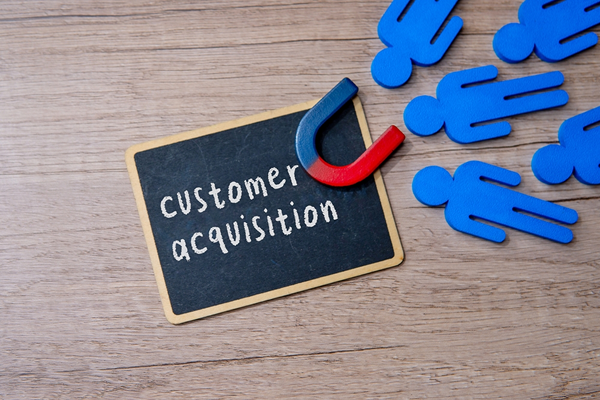


Customer acquisition is an essential part of attracting new customers, but it’s not always easy. Customers don’t simply come to your business just because you run ads or consistently create content.
Some may have seen your ads but aren’t interested yet, while those who are interested may still be comparing prices or considering other options. By understanding customer acquisition, you can learn how to reach potential customers, build their interest, and ultimately encourage them to choose your product or service.
What Is Customer Acquisition?
So, what is customer acquisition? Simply put, customer acquisition is the process a business uses to attract, convince, and gain new customers through various marketing and sales channels.
However, there is one important point to remember. Customer acquisition is not simply about generating as much traffic as possible. At its core, customer acquisition is about attracting the right customers through a process that can be managed systematically and sustained over time.
Why Is Customer Acquisition Important for Business?
Every business needs customers to generate revenue. However, a well-planned customer acquisition process can offer much more than simply increasing the number of buyers. Some of the key benefits include:
1. Increase Revenue
The more new customers a business successfully acquires, the greater its opportunity to increase sales and revenue.
2. Expand Market Reach
Customer acquisition can help businesses reach new audience segments and increase their market share. And when those customers have a positive experience, they may recommend your product to others.
3. Gain Valuable Customer Insights
Every new customer provides valuable insights into their needs, behaviors, preferences, and pain points. With this data, you can improve your products and refine your marketing strategies.
What Are the Stages of Customer Acquisition?
Customer acquisition consists of several stages that should be approached step by step. Here are the core stages:
1. Reach Potential Customers
The first stage of customer acquisition begins by making your target audience aware that your business exists. Businesses can use a wide range of channels to reach potential customers, including SEO, social media, paid advertising, content marketing, email, events, influencers, and referral programs.
The more channels you use, the larger the audience you may potentially reach. However, trying to be present on every channel can require significant time, money, and resources. For that reason, it is better to prioritize channels that your target audience actually uses.
2. Build Awareness and Interest
Once you’ve captured their attention, the next step is to turn that attention into genuine interest. Relevant content, clear product information, and a strong value proposition can help potential customers understand why your product is worth considering.
At this stage, focus on one key question: What customer problem can you genuinely help solve?
3. Encourage Conversion
Interest does not always lead directly to a purchase. Potential customers may still compare prices, read customer reviews, or look for alternatives. Businesses therefore need to reduce unnecessary friction throughout the buying process.
Several elements can help increase conversion opportunities, including clear calls to action (CTAs), complete product information, a simple checkout process, and fast responses to customer questions.
4. Turn Potential Customers into Customers
At this stage, prospects finally take the action the business expects. This could mean purchasing a product, subscribing to a service, or registering an account.
However, customer acquisition does not truly end at the moment of purchase. The experience after the transaction can influence whether customers return, recommend the business, or stop using the product.
Effective Customer Acquisition Strategies
Perlu diingat, tidak ada satu formula yang cocok untuk semua bisnis. Namun, beberapa customer acquisition strategy berikut bisa Anda dipertimbangkan:
1. Content Marketing
Create content that answers the questions and addresses the problems faced by your target audience. Useful and relevant content can attract attention while gradually building trust.
2. SEO dan Blogging
Beyond creating content, optimize it so it can be easily discovered through search engines. This strategy can help drive organic traffic to your business website.
3. Social Media Marketing
Social media can be used to build awareness and interact directly with your audience. Once audiences become more familiar with your business, you can guide them toward relevant product pages or your website.
4. Email Marketing
With email, you can nurture leads who aren’t ready to buy yet while delivering more personalized offers.
5. Referral and Affiliate Marketing
Businesses can also use existing customers, influencers, or partners to expand their reach through recommendations and incentives.
6. Paid Advertising
Paid advertising can help businesses reach more specific audiences quickly. However, advertising effectiveness still depends on several factors, including targeting, messaging, and the quality of the landing page.
Factors That Influence Customer Acquisition Success
A strategy that looks great on paper doesn’t necessarily lead to conversions. In practice, several factors can have a major impact on your success, including:
-
Target market: the more precisely you define your target audience, the more relevant your messaging can be.
-
Marketing channels: choose channels based on your target audience’s habits and preferences, rather than simply following what’s popular.
-
Product quality: even the best marketing strategy won’t go far if your product doesn’t effectively address your customers’ needs.
-
Sales process: fast responses and a smooth purchasing process can help reduce friction and make it easier for customers to buy.
-
Level of competition: competitive markets require differentiation and innovation to keep your business relevant and capture customers’ attention.
Leverage Technology to Reach High-Potential Customers
A wider marketing reach can certainly help you acquire new customers. However, it’s important to remember that reaching more people doesn’t necessarily mean having a higher chance of conversion.
DigiAds from Telkomsel Enterprise helps you optimize your customer acquisition strategy through data-driven audience targeting and more precise audience segmentation. This allows you to reach potential customers who are more relevant to the products or services you offer.
Your marketing campaigns can also be distributed across various digital channels, giving your business more opportunities to reach the right audience. At the same time, your messaging can be tailored to their specific characteristics and needs.
With a more measurable strategy, DigiAds can help businesses improve campaign effectiveness while optimizing their marketing spend. Talk to Telkomsel Enterprise about your business’s promotional needs and discover the right solution with DigiAds.
FAQ
What is customer acquisition?
Customer acquisition is the process businesses use to attract, convince, and acquire new customers through various marketing and sales channels.
Why is customer acquisition important for business?
Customer acquisition is important because businesses need new customers to generate revenue and continue growing. A well-planned acquisition process can also help businesses expand their market reach and gain valuable insights into customer needs, behaviors, preferences, and problems.
What is the difference between customer acquisition vs customer retention?
Customer acquisition focuses on gaining new customers, from reaching potential customers to converting them into customers. Customer retention, on the other hand, focuses on keeping existing customers engaged so they continue using or purchasing your products.
What is a customer acquisition strategy?
A customer acquisition strategy is an approach businesses use to attract potential customers and convert them into customers. There’s no one-size-fits-all strategy for every business. That’s why the right approach should be tailored to your target market, the channels your audience typically uses, your product quality, your sales process, and the level of competition.