





As customer expectations evolve in a highly competitive marketplace, businesses are recognizing the power of combining customer relationship management (CRM) with an omnichannel strategy. This integration is more than a trend, but it’s a transformative approach to enhancing customer satisfaction, loyalty, and long-term engagement.
With consumers having more choices than ever, building meaningful and lasting relationships has become a top priority across industries. By integrating CRM with omnichannel experiences, companies can deliver a seamless and personalized customer journey across all touchpoints.
According to McKinsey, businesses that successfully enhance customer satisfaction can increase revenue by 10 - 15%, while also reducing service costs by 15 - 20%. This aligns with Forbes’ findings showing that 56% of brands that excel at customer engagement surpass their revenue targets, while only 19% of underperforming brands do the same.
Furthermore, enhanced engagement leads to 22% higher cross-sell revenue, 38% higher up-sell revenue, and an increase in order volume between 5 - 85%.
Leading brands have already proven the value of integrating robust customer data from CRM systems with the seamless experience offered by omnichannel platforms. A great example is Sephora, which connects online and offline customer data to create highly personalized shopping experiences, driving stronger loyalty and retention.
But how can your business implement this integration effectively? What’s the secret to successfully merging CRM with an omnichannel strategy? Let’s explore the answers in depth.
What Is Omnichannel?
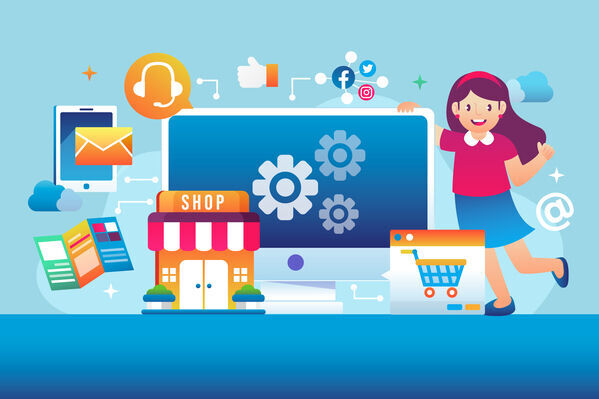
Omnichannel is a marketing approach that unifies various communication channels like social media, email, mobile apps, websites, and physical stores to provide customers with a consistent and integrated brand experience.
The benefits of omnichannel integration from a customer perspective include:
-
Consistency of Information: Customers receive the same messaging and services across all platforms.
-
Convenient Access: Consumers can engage with the brand through their preferred channels without friction.
-
Stronger Loyalty: A unified experience boosts trust and long-term commitment from customers.
What Is Customer Relationship Management (CRM)?
CRM stands for Customer Relationship Management. It is a business strategy focused on customer engagement. CRM is not just about software, it's also about the strategies and processes used to understand customer needs and behavior.
So, how is it different from omnichannel?
While both focus on optimizing the customer experience, there are fundamental differences between the two. CRM is more focused on managing and analyzing customer interactions. On the other hand, omnichannel emphasizes providing a consistent and integrated customer experience across multiple communication channels.
CRM began with customer index cards. These were physical cards containing basic customer details such as name, address, phone number, and notes about past interactions or transactions. Every time a customer interacted or made a purchase, the information on the card would be updated.
Eventually, this method evolved into the complex digital CRM systems we know today. CRM has several strategic benefits including:
-
Understanding customers: CRM allows businesses to understand their customers' needs, preferences, and behavior.
-
Marketing automation: CRM can automatically send emails or notifications to customers based on their behavior.
-
Data analysis: With CRM, businesses can analyze customer data to make better business decisions.
As mentioned earlier, CRM isn’t just about managing customer data, it’s about building long-term relationships. With CRM, businesses can:
-
Identify potential sales opportunities.
-
Manage customer interactions more efficiently.
-
Create well-targeted marketing campaigns.
-
Improve customer service with faster response times.
In other words, CRM allows businesses to place customers at the center of their strategy. The use of CRM, especially on mobile platforms is expected to continue growing in the coming years. The banking, financial services, and insurance industries are expected to lead this trend.
Why is CRM and Omnichannel Integration Important?
Modern consumers demand more than good service, but they expect consistent, personalized, and timely interactions across all channels. This is where integrating customer relationship management systems with omnichannel platforms becomes critical. Key Reasons to Integrate:
1. Streamlined Communication Efficiency
By syncing CRM data with omnichannel platforms, companies can deliver timely and relevant messages to each customer. For example, if a customer makes a purchase online, the CRM automatically logs the transaction and triggers a personalized thank-you email, followed by a tailored offer for complementary products, all delivered via their preferred channel.
No manual input. No delays. Just smart, timely communication.
2. Seamless Experience Across All Touchpoints
Picture this: A customer calls your support line, speaks to an agent, then follows up via email the next day. Without integration, the second agent might have no idea what was discussed earlier, forcing the customer to repeat themselves. Frustrating, right?
With CRM-omnichannel integration, every interaction is logged and accessible. The email agent sees the full conversation history, picks up right where the phone call left off, and delivers a seamless, human-centered experience.
3. Deep Customer Insight and Personalization
By combining data from all communication channels, companies can gain deeper insights into customer behavior.
This allows companies to tailor offers and communications based on individual preferences. Furthermore, a McKinsey report even states that this personalization is crucial for the future sustainability of businesses.
How to Effectively Integrate CRM with Omnichannel Strategy
Integrating CRM and omnichannel may sound complex, but with a structured approach, it becomes not only achievable but scalable and sustainable. Follow these key steps to ensure success:
1. Understand Business and Customer Needs
Before beginning the integration process, it's essential to understand what your business requires and what your customers expect. This involves:
-
Identifying key customer touchpoints.
-
Determining what information should be collected from each channel.
-
Understanding how this information will be used to improve the customer experience.
2 Choose the Right CRM and Omnichannel Platforms
There are many CRM and omnichannel solutions available on the market. Choose the one that best fits your business needs. Key considerations when selecting a platform include:
-
Ability to integrate with other channels.
-
Ease of use.
-
Availability of customer support and training.
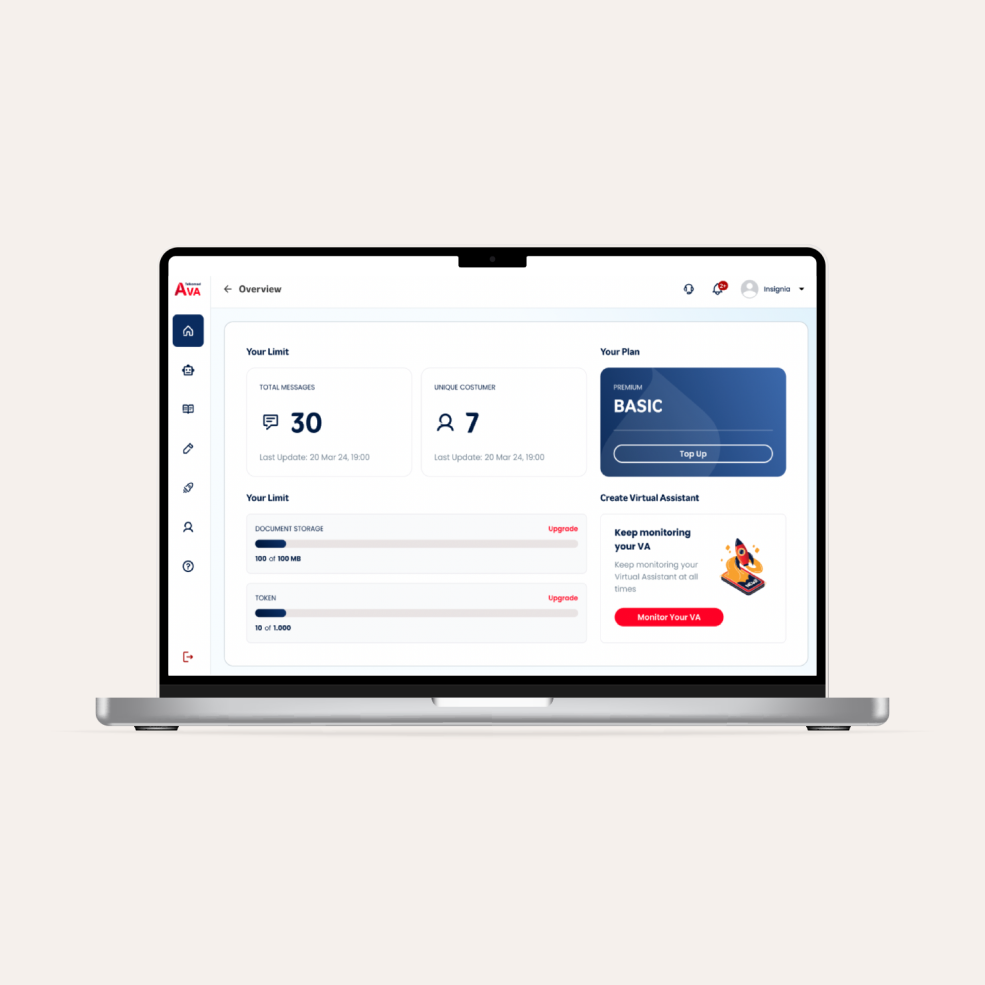
Telkomsel Enterprise, for example, offers a solution that meets these criteria. With its CPaaS Omnichannel, you can integrate platforms via API, connect directly to your CRM, and access all your business conversations through a single dashboard.
3 Train Your Team
Once you’ve selected a platform, ensure your team receives proper training. This includes both technical training on how to use the platform and strategic training on how to utilize the data to boost customer engagement.
4. Monitor and Optimize Performance
After integration is complete, it’s crucial to continuously monitor and assess its performance. Use the following checklist:
-
Collect feedback from customers and internal teams.
-
Use KPIs (Key Performance Indicators) to measure the effectiveness of the integration.
-
Make adjustments based on the results of your monitoring and evaluation.
Case Study Illustration: Integrating CRM and Omnichannel in Business
To gain a clearer and more comprehensive insight, let’s look at an example of a company integrating CRM and omnichannel strategies:
AA is a retail company selling various electronic products. As e-commerce and social media grew, they recognized the need for an omnichannel approac
What are the challenges faced?
-
Improving customer retention.
-
Providing a consistent shopping experience across all channels.
-
Collecting and analyzing customer data from multiple platforms.
What solutions are being implemented?
-
Implemented a CRM solution to collect customer data from physical stores, websites, mobile apps, and social media.
-
Integrated the CRM with an omnichannel platform to provide consistent information across all touchpoints.
-
Conducted intensive training for the sales and marketing teams, based on the processed and analyzed customer data.
How is the result?
-
20% increase in customer retention within the first six months.
-
15% increase in sales from returning customers.
-
Ability to run more targeted marketing campaigns using customer data.
Conclusion
Customers today are increasingly frustrated by inconsistent shopping experiences, slow customer support, and impersonal communications. Businesses that want to stay ahead must combine technology and strategy to create experiences that are seamless, responsive, and deeply personalized.
Integrating customer relationship management with omnichannel strategies empowers brands to centralize and analyze customer data, provide real-time, consistent service across platforms., and build stronger, longer-lasting customer relationships.
Far from being just a trend, this integration is a critical success factor for companies aiming to thrive in the digital age.
Ready to bring this transformation to your business?
With CPaaS from Telkomsel Enterprise, you can seamlessly connect your CRM and omnichannel systems into one intelligent communication hub. CPaaS (Communication Platform as a Service) simplifies customer interaction, enhances collaboration, and accelerates innovation.
Our Omnichannel solution offers data protection via a secure Indonesian Cloud Data Center and supports full platform integration for smooth, cross-channel communication.
Unlock unmatched digital communication experiences with CPaaS Omnichannel. Contact us today and take the next step in your digital journey.