




People today expect fast, personalized, and always-available service, anytime and anywhere. That’s where chatbots powered by artificial intelligence step in to redefine how businesses communicate with customers.
The acceptance of AI in professional workflows is growing rapidly. A recent HubSpot survey revealed striking insights, that is approximately 35% of marketers, 54% of bloggers, and 41% of business leaders are already using AI tools such as chatbots, Jasper, Grammarly, and others to streamline their daily operations.
These statistics reflect not only the growing acceptance of AI technology across various professional sectors but also signal a meaningful shift in how people are harnessing smart tools to elevate productivity, efficiency, and work quality.
The advanced capabilities of AI, particularly in business environments, are paving the way for practical applications across different domains, most notably in customer service. This growing reliance on AI-driven systems is not just a transformation of internal workflows, but also a leap forward in how companies communicate with their customers.
In this landscape, chatbots have emerged as one of the most impactful AI innovations, playing a critical role in redefining customer interactions.
Even though some concerns still linger around the lack of human empathy and the impersonality of automated responses, the value that chatbots bring to simplifying and enhancing the efficiency of customer service is impossible to overlook. This article explores what a chatbot is, how it works, and why it’s a game-changer for both businesses and customers.
What Is a Chatbot?
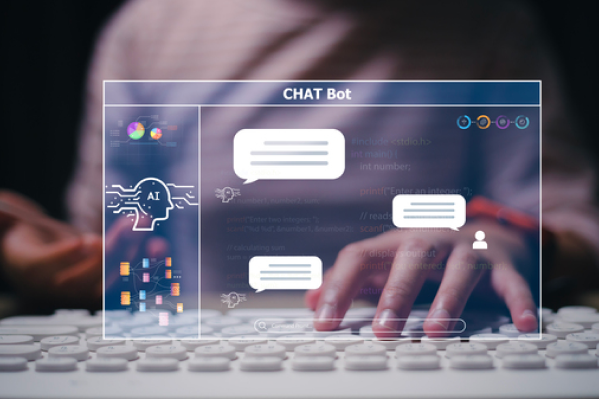
So, what is a chatbot? A chatbot is an AI-based application designed to simulate conversations with human users. Whether through text or voice, chatbots can interpret user queries and deliver relevant responses in real time.
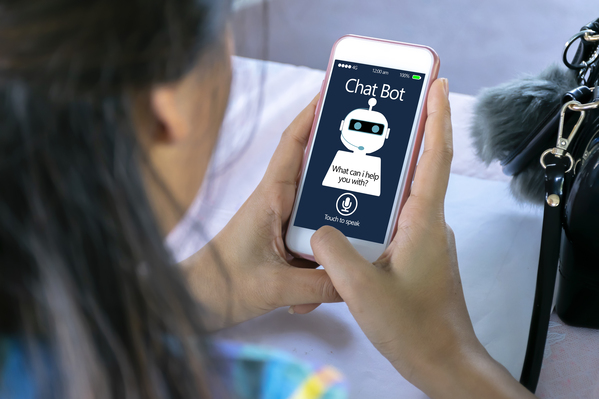
In the context of customer service, chatbots act as virtual assistants, automatically responding to customer questions and addressing their needs. They are capable of handling routine inquiries, guiding users through self-service options, and even transferring complex issues to human agents when necessary.
This combination of automation and intelligent routing makes chatbots an essential component of modern customer support systems.
Key Functions of Chatbots in Customer Service
Chatbots offer a wide array of capabilities that are specifically tailored to enhance customer interactions:
-
Instantly Answer Common Questions: Chatbots are particularly effective at managing frequently asked questions (FAQs) such as product specifications, order statuses, refund policies, and more. They offer instant and accurate responses, reducing wait times, and enhancing the customer experience.
-
Resolve Basic Issues: Whether a customer needs to track a package, change an order, or get help navigating an app, chatbots can walk them through simple tasks using step-by-step automation, ensuring quick solutions.
-
Gather Customer Feedback and Generate Leads: A well-programmed chatbot can proactively collect customer insights by prompting users for feedback. At the same time, it can qualify and identify sales leads, helping marketing and sales teams better target their strategies.
-
Escalate Complex Issues to Human Agents: When an issue goes beyond the bot’s programming, especially sensitive or complex concerns, a chatbot can smoothly hand off the conversation to a live customer service agent, ensuring personalized and detailed follow-up.
Why Chatbots Benefit Both Businesses and Customers
Chatbots bring a wide range of advantages that go beyond just speed, they improve the entire customer experience:
-
Fast, Precise Support: Reduce response times and ensure accuracy to enhance satisfaction.
-
24/7 Availability: Offer support outside business hours.
-
Reduced Agent Workload: Let agents focus on complex cases by offloading routine tasks.
-
Personalized Experiences: Tailor conversations using customer data and past interactions.
8 Benefits of Using Chatbots in Customer Service
1. Speed and Efficiency That Drive Results
When it comes to customer service, speed is crucial. Chatbots contribute significantly to service efficiency by offering immediate answers to standard questions, cutting down resolution times, and reducing the burden on customer support teams.
2. Higher Customer Satisfaction and Loyalty
Efficiency goes hand in hand with customer experience. A chatbot that provides timely and helpful solutions helps foster a positive brand image, which in turn leads to increased customer loyalty and trust.
3. Boosted Productivity and Better Agent Utilization
Chatbots help maximize team performance by handling repetitive inquiries. This allows customer service agents to focus their efforts on more complex or sensitive issues that require empathy, reasoning, or in-depth product knowledge. The result is a more optimized use of human resources.
4. Better Accessibility and Round-the-Clock Availability
Customers no longer must wait for business hours to get help. Chatbots operate 24 hours a day, 7 days a week, ensuring assistance is always just a message away. This makes customer service more accessible and dependable, especially for users in different time zones or urgent situations.
5. Process Automation for Maximum Efficiency
The ability to automate multiple tasks at once is one of a chatbot’s biggest strengths. Whether handling hundreds of simultaneous conversations or issuing order confirmations, chatbots streamline operations at scale, without compromising consistency or quality.
6. Personalized Customer Experiences
Modern chatbots are powered by AI and can tap into customer data to deliver tailored interactions. From greeting users by name to suggesting relevant products based on purchase history, personalization adds value to the customer journey and improves satisfaction.
7. Fewer Human Errors
Human errors such as typos, miscommunication, or misunderstanding are common in manual customer service. By automating responses and instructions, chatbots minimize mistakes, ensuring more reliable and error-free service delivery.
8. Seamless Integration with Business Systems
When integrated with CCRM software or internal databases, chatbots can access relevant customer data on the fly. This not only speeds up response times, but also ensures a more accurate and personalized service, strengthening both operational efficiency and user satisfaction.
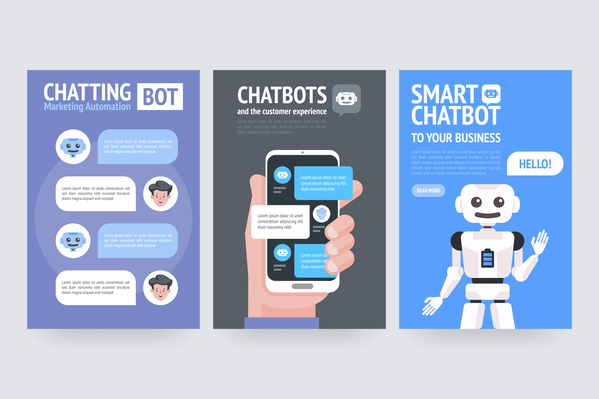
Types of Chatbots for Customer Service
Not all chatbots are created equal. Here’s a breakdown of different chatbot types you can use in your customer support strategy:
1. Rule-Based Chatbots
Rule-based chatbots operate on predefined rules and are ideal for answering standard questions and handling routine tasks. They offer fast and consistent responses based on a set of if/then conditions.
Advantages:
-
Speed and consistency: Offers fast and consistent responses to standard inquiries.
-
24/7 availability: Serves customers at any time, ensuring continuous availability of information.
Limitations:
-
Repetitive interactions: Lack of flexibility in handling questions outside of predetermined scenarios.
-
Lack of empathy: Inability to demonstrate empathy or dynamically adjust responses.
2. Keyword-Based Chatbots
These bots detect specific keywords in user input and respond accordingly. They offer more dynamic interaction compared to rule-based bots.
Advantages:
-
Natural Language Processing (NLP): Able to interpret questions more naturally based on keywords.
-
Adaptable: Able to handle a variety of questions with a better understanding of context.
Limitations:
-
Misunderstanding: Potential for misunderstanding due to ambiguity or lack of keyword definition.
-
Reliance on defined keywords: Difficulty handling questions that do not include specific keywords.
3. Machine Learning-Powered Chatbots
The most advanced type of chatbot, these bots use machine learning algorithms to improve over time. They learn from every interaction, enabling them to handle increasingly complex conversations and deliver personalized responses.
Advantages:
-
Personalized interactions: The ability to provide more personalized responses based on historical customer data.
-
Continuous improvement: The ability to continuously learn and develop from each interaction, improving service quality.
-
Complex inquiry handling: The ability to handle complex and diverse inquiries.
Limitations:
-
Higher development and maintenance costs: Requires more initial investment and intensive maintenance.
-
Potential bias: Risk of developing bias in the learning algorithm.
Conclusion
The role of chatbots in customer service goes beyond automation. They represent a significant shift in how businesses engage, assist, and retain their customers. However, they aren’t meant to fully replace human agents. Instead, the true power lies in combining chatbot efficiency with human empathy.
By letting chatbots handle basic queries, collect data, and guide users, customer service teams can focus on what matters most, resolving critical issues, building rapport, and delivering empathetic care.
This collaborative approach leads to a new standard in customer experience, efficient, scalable, personalized, and human-centered.
Optimize your business communications with the Communication Platform as a Service (CPaaS) solution from Telkomsel Enterprise. This API-based platform enables seamless interaction across voice, video, and digital channels.
With advanced features like Programmable Voice, AI-powered chatbots, Voicebots, text-to-speech, and Natural Language Understanding, CPaaS delivers a secure and efficient end-to-end communication solution.
Elevate your business communication with CPaaS and enjoy the benefits of multi-channel engagement with maximum security and scalability.
Contact us today to learn how this technology can transform your business operations.