





The sharp rise in global cyber threats has made protecting digital assets and IT infrastructure a critical priority for businesses and organizations worldwide. Deploying a private network becomes not just an option, but a necessity for cyber security resilience.
A 2023 Cisco report revealed a striking reality, that only 15% of organizations worldwide are considered "mature" in their cyber security readiness. Even more alarming, most surveyed companies had already suffered at least one cyber security breach within the past year.
This highlights an urgent need for more robust security strategies, especially as remote work, hybrid teams, and mobile devices continue to redefine workplace connectivity. With teams connecting from coffee shops, airports, and home offices, traditional defenses no longer suffice.
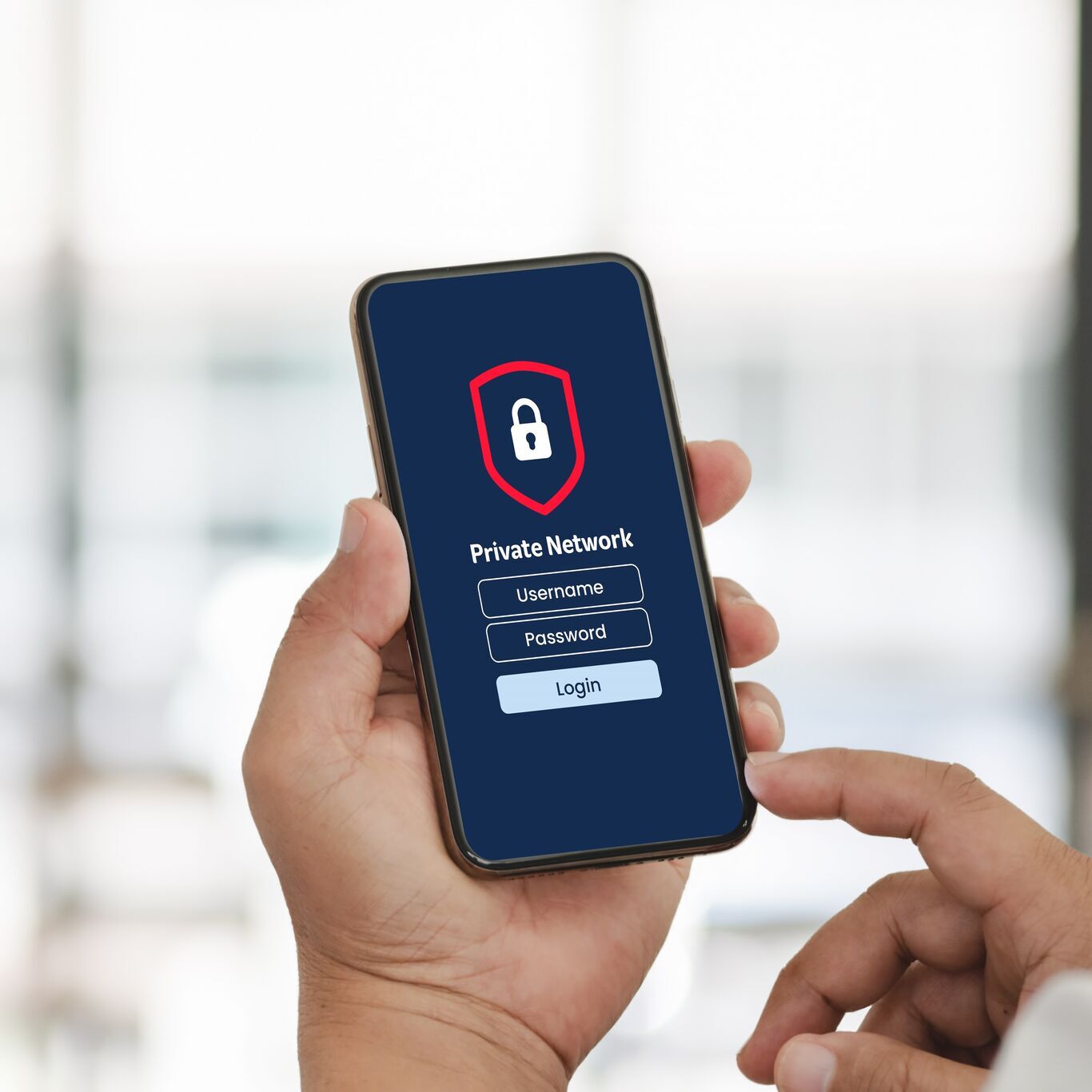
This is where private networks come into play, offering a secure, encrypted, and access-controlled environment that significantly enhances a company’s cyber security posture.
The Realities of Cyber Attacks: What Businesses Face Today
Understanding the many faces of cyber-attacks is the first step in building a strong, proactive defense. Cyber criminals employ sophisticated tactics to exploit vulnerabilities, targeting both businesses and individuals for financial gain, data theft, or disruption.
Common Types of Cyber Attacks
There are various types of cyberattacks out there, each with its own characteristics and attack methods. For example:
-
Malware: Malicious software such as viruses, worms, and Trojans infiltrate systems to corrupt data, steal information, or disrupt operations. Once inside, they can spread like wildfire, compromising entire networks.
-
Phishing: A social engineering tactic where attackers impersonate trusted entities via email or messaging to trick users into revealing passwords, credit card details, or other sensitive information. These deceptive messages often appear legitimate, making them dangerously effective.
-
Denial of Service (DoS): Attackers overwhelm a server or network with excessive traffic, rendering services inaccessible. This not only disrupts operations but can also serve as a smokescreen for more insidious breaches.
-
Man-in-the-Middle Attacks (MitM): Cybercriminals secretly intercept and possibly alter communication between two parties. This allows them to steal login credentials, financial data, or confidential business communications, often without either party realizing it.
Business & Personal Consequences of Cyber Threats
The impact of a cyber attack can be severe, including:
-
Financial Losses: From system recovery costs and regulatory fines to lost revenue during downtime, the financial toll can cripple even well-established companies.
-
Damaged Reputation: Trust, once broken, is hard to rebuild. Customers and partners may lose confidence in your ability to protect their data, leading to lost contracts and declining loyalty.
-
Data Loss: Sensitive business and client information may be stolen or destroyed, leading to compliance issues and operational chaos.
-
Operational Downtime: When systems go down, productivity plummets. Critical workflows halt, deadlines are missed, and business continuity is compromised.
The Role of Private Network in Cyber Security Strategy
A private network is an exclusive communication infrastructure, restricted to authorized users within an organization, designed to prevent public access and provide a more secure environment.
The core objectives of a private network are clear:
-
Protect Sensitive Data: Ensure that sensitive information remains confidential and inaccessible to unauthorized users.
-
Access Control: Define who can connect to the network and what resources they can access.
-
Enhanced Security: Integrate advanced safeguards like firewalls, intrusion detection systems, and end-to-end encryption.

Private vs. Public Networks
Unlike public networks, which are generally open to the public, private networks offer security advantages due to:
-
Stricter Access Management: Prevent unauthorized intrusions through controlled access policies.
-
Better Risk Mitigation: Tailor-made security settings based on business-specific needs.
Using a private network improves security in the following ways:
-
Data Encryption: Secure all data in transit to prevent interception.
-
Network Segmentation: Divide the network into smaller, isolated zones to contain potential breaches.
-
Advanced Authentication: Using more complex authentication methods, such as multi-factor authentication, to control access.
Types of Private Networks for Enterprise Cyber Security
There’s no one-size-fits-all solution. Different types of private networks serve different business goals and security requirements. Here's a look at three popular options:
1. Virtual Private Network (VPN)
A VPN creates a secure 'tunnel' for data transmission over public networks. It encrypts traffic, hides IP addresses, and is ideal for remote work environments.
Suitable for remote access, protecting data when using public Wi-Fi, and hiding IP information for added privacy.
2. Private Local Area Network (LAN)
A private LAN is a network confined to a small geographic area, such as a specific office or building. Using this solution provides tighter control over network access and resources within that limited area.
From a security perspective, a private LAN can provide a secure infrastructure for daily business operations, with more efficient risk management.
3. Virtual Local Area Network (VLAN)
VLANs allow LAN segmentation into multiple, logically separate networks. This provides flexibility in network management and improved performance by reducing unnecessary network traffic.
Each type of private network offers specific advantages in the context of cybersecurity. By understanding a company's specific needs, the most appropriate network type can be selected and implemented to enhance the security of its data and information.
Implementation Checklist for Private Network Solutions
After understanding the various types of private networks, the next step is implementing these solutions effectively. Use the following checklist to simplify the process.
The first section focuses on selecting the right type of private network. Important considerations in this selection include:
-
Business Needs: Does your business require remote access, or is the focus on internal security?
-
Budget & Resources: Consider available resources, including finances and IT expertise.
-
Scalability: Choose a network that can adapt to evolving business needs.
The second section focuses on ensuring the effectiveness of your private network implementation. Several practices should be followed:
-
Regular Updates: Keep all software and hardware up to date to resist emerging threats.
-
Strong Encryption: Use advanced encryption to protect data transferred over the network.
-
Access Control: Implement layered access control, including multi-factor authentication, to restrict access to the network and data.
Advanced Features for Maximum Protection
To truly maximize security, businesses should consider integrating advanced features into their private network architecture:

1. Intrusion Detection and Prevention Systems (IDPS)
These systems proactively monitor network traffic for suspicious activity.
-
Threat Detection: Identifies anomalies and alerts admins in real-time.
-
Automated Defense: Blocks or isolates malicious traffic before it causes harm.
2. Integrated Firewalls and Antivirus Software
Firewall and antivirus integration provides an additional layer of protection:
-
Firewalls: Regulate incoming and outgoing traffic, allowing only legitimate communications.
-
Antivirus: Detect and remove malware before it spreads within the network.
3. Multi-Factor Authentication (MFA)
Multi-factor authentication (MFA) add an additional layer of security to network access. MFA ensures that only verified users can access the network. This can be implemented using a combination of passwords, security tokens, or biometric identification to ensure secure access.
Overcoming Implementation Challenges
While private networks offer enhanced cybersecurity, there are several challenges to consider when implementing and managing them.
One of the biggest challenges in cybersecurity is balancing security and ease of access. Over stringent security systems can hinder productivity and operational efficiency.
Therefore, it's crucial to ensure that users can easily access the resources they need without having to overcome excessive security barriers.
Furthermore, businesses face a constantly evolving range of cyber threats, necessitating adaptive strategies. This can be addressed by ensuring that security systems are regularly updated to ward off the latest threats. Furthermore, cybersecurity training is essential for employees.
Conclusion
Private networks are no longer optional, but they’re an essential component of a comprehensive cyber security strategy. By providing encrypted, restricted, and highly monitored communication environments, private networks empower businesses to withstand today’s relentless cyber threats.
Looking for a reliable, high-performance private network solution? Private Network by Telkomsel Enterprise delivers cutting-edge private network services designed for modern businesses. Our private network solutions come with local breakout capabilities, ensuring your business operations remain efficient, secure, and uninterrupted, even during public network disruptions.
Benefits of Telkomsel Enterprise’s Private Network, from reduced dependency on public internet, enhanced operational continuity, to superior data protection and network stability.
Empower your business with private network technology that strengthens your cyber security defense from the ground up. Get in touch with Telkomsel Enterprise today and discover how we can help fortify your digital future.