




Cyberattacks have become increasingly sophisticated, and two of the most dangerous threats to network security today, phishing and social engineering, are evolving rapidly.
Phishing and social engineering attacks both rely on psychological manipulation to trick individuals into giving up sensitive information. Unlike traditional threats, these types of attacks often slip past standard network security solutions because they don’t target systems or software, but they target people, the most vulnerable link in any security chain.
Research have shown that the majority of data breaches stem from human error. This highlights the critical need for strong security awareness and regular training across every organization.
As businesses embrace flexible work models and digital transformation, these psychological cyberattacks are on the rise.
Take phishing, for example. It usually involves emails that look legitimate but hide malicious links or request personal data. Social engineering, on the other hand, can be even more subtle, someone pretending to be a trusted colleague or vendor to gain access to confidential information.
This article will walk you through how to spot the warning signs of phishing and social engineering, and offer actionable strategies to strengthen your network security, so your business stays protected from these increasingly sophisticated threats.
What Is Phishing and Why It’s a Major Network Security Threat
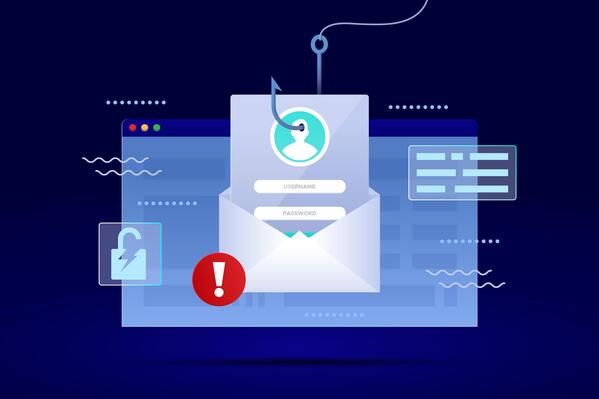
Phishing stands as one of the most widespread and damaging forms of cybersecurity attacks today. At its core, phishing is a deceptive practice where cybercriminals impersonate legitimate organizations, banks, government agencies, tech giants, or internal departments to trick individuals into revealing sensitive information.
These attacks typically arrive via email but can also come through text messages (smishing), voice calls (vishing), or even social media. The goal? To harvest usernames, passwords, credit card numbers, or other confidential data that can be used for identity theft, financial fraud, or further infiltration into corporate networks.
Imagine receiving an email that appears to be from your bank, warning you of suspicious activity and urging you to 'verify your account immediately’. The message looks authentic, complete with logos and branding. You click on the link, land on a nearly identical replica of the real website, and enter your login details, only to realize too late that you’ve handed your credentials directly to a hacker.
That’s phishing in action.
Cybercriminals craft these messages with precision, often mimicking well-known institutions and using urgency or fear to provoke quick, unthinking responses. Whether it’s a fake invoice, a supposed package delivery notice, or a fake HR alert, the psychology behind phishing is simple: create a scenario where the victim acts before they think.
In fact, many large-scale data breaches begin with a single phishing email. Once attackers gain access to one employee’s credentials, they can move laterally across the network, escalating privileges and accessing high-value targets.
The aftermath of a successful phishing attack can be devastating. For organizations, the consequences go far beyond a compromised email account:
-
Loss of Critical Data: Proprietary information, customer databases, financial records, and intellectual property can all be stolen.
-
Financial Damage: Unauthorized transactions, fraudulent wire transfers, or ransom demands can lead to massive monetary losses.
-
Operational Disruption: Breaches can shut down systems, delay projects, and paralyze workflows.
-
Brand Reputation Damage: Customers lose trust when their personal data is exposed, leading to long-term reputational harm and potential legal liabilities.
What Is Social Engineering?
While phishing involves deceiving users through emails and websites, social engineering is the mastermind behind many of the most successful cyber intrusions. So, what is social engineering?
Social engineering is the art of manipulating people into breaking security procedures, divulging confidential information, or granting unauthorized access, all through psychological influence rather than technical hacking.
Unlike malware that exploits software vulnerabilities, social engineering exploits human nature: trust, curiosity, fear, and the desire to be helpful. Attackers use deception, charm, or intimidation to gain the upper hand, often without ever touching a computer.
This makes social engineering one of the most insidious threats to network security. It doesn’t trigger antivirus alerts or set off intrusion detection systems. Instead, it walks through the front door, disguised as a trusted colleague, an IT support technician, or a senior executive.
Common Methods Used in Social Engineering Attacks
-
Pretexting: The attacker creates a fabricated scenario to gain the victim’s trust. For example, posing as a vendor conducting a security audit and requesting employee login details.
-
Baiting: Offering something enticing like a free USB drive labeled 'Executive Bonuses' that, when plugged into a computer, installs malware.
-
Scareware: Using fear to manipulate behavior. A pop-up warning claims the user’s device is infected and urges them to download fake antivirus software, malware in disguise.
How to Identify Phishing and Social Engineering Attacks
Understanding how these attacks work is your first line of defense in any network security plan.
Signs of Phishing Emails
-
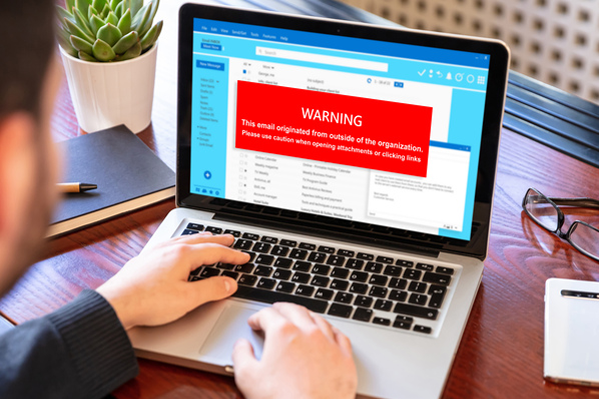
Suspicious URLs: Hover over links before clicking, mismatched or shortened URLs are red flags
-
Grammatical and spelling errors: Legitimate companies proofread their messages. Typos and awkward phrasing are major red flags.
-
Urgent requests: Messages demanding immediate action are often phishing attempts
Psychological Warning Signs of Social Engineering
-
Stay skeptical: If someone insists on immediate action or refuses to follow standard verification procedures, be suspicious.
-
Don’t rush: Take time to validate any requests, especially those involving access credentials
-
Know your policies: Always confirm the identity of anyone asking for sensitive information, even if they seem familiar.
Tools and Technologies to Boost Network Security
-
Anti-phishing software: Advanced email filtering tools scan incoming messages for phishing indicators, block malicious links, and quarantine suspicious attachments.
-
Two-Factor Authentication (2FA): Even if credentials are stolen, 2FA adds an extra layer of protection, requiring a second verification step like a code or biometric scan.
Prevention Strategy: Protecting Your Business from Cyber Attacks
Building a resilient cybersecurity framework involves more than just technology. Businesses must implement clear policies, train their teams, and integrate strong technical defenses.
Implement Effective Information Security Policies
-
Clear protocols: Create comprehensive information security policies that are easily understood by all members of the organization.
-
Access control: Limit access to critical information to only those employees who need it.
-
Routine monitoring: Regularly inspect network activity for irregular behavior.
Invest in Robust Cybersecurity Solutions
-
Firewall & antivirus tools: Use a trusted firewall and antivirus software to protect your network.
-
Advanced anti-phishing platforms: Implement an anti-phishing solution to detect and block phishing emails and websites.
Conduct Employee Security Training
-
Regular training sessions: Conducting training sessions on cybersecurity and the latest threats.
-
Simulated attacks: Conducting simulated phishing or social engineering attacks to test employee preparedness.
Partner with Network Security Experts
-
Consult security professionals: Consider consulting with an expert to evaluate and improve your business security strategy.
-
Schedule security audits: Conduct regular security audits to ensure all systems are running effectively.
Remember, network security isn’t a one-time setup. It’s an ongoing process that demands continuous improvement, adaptation, and commitment.
What to Do When an Attack Happens: Incident Response Plan
When an attack strikes, time is critical. A swift, structured response can help reduce the threat and minimize business disruption.
Emergency Response Protocols
-
Activate your incident response plan: Immediately activate the established emergency response protocol.
-
Isolate impacted systems: Quickly identify affected areas and isolate them to prevent further spread.
-
Communicate transparently: Notify the incident to the relevant teams and, if necessary, to the client or external stakeholders.
Crisis Communication & Incident Management
-
Keep messaging clear: Provide clear and accurate information about what happened and what steps are being taken.
-
Preserve public trust: If necessary, manage communications with the public to maintain brand reputation.
Post-Attack Analysis
-
Investigate root causes: Conduct a thorough investigation to determine how the attack occurred.
-
Evaluate your response: Analyze the effectiveness of the response and identify areas for improvement.
Recovery and Network Security Enhancement
-
Fix affected systems: Repair or replace compromised infrastructure
-
Fortify security measures: Review and strengthen network security to prevent similar incidents in the future.
Conclusion
Dealing with phishing and social engineering attacks in the world of cybersecurity calls for more than just high-end tools. Technology is important, but true protection starts with understanding how these threats work and how they exploit human behavior as their main entry point.
Phishing and social engineering aren’t your typical hacks. These attacks are personal. They rely on deception, trust, and emotional triggers to break through your defenses, making them harder to detect and even harder to stop with tech alone.
The damage goes far beyond stolen data. A successful attack can shake customer trust, disrupt daily operations, and seriously harm your brand reputation. That’s why having a fast, clear, and practiced response plan is essential. When incidents strike, you need to act immediately to contain the threat and get your business back on track.
This is exactly where Telkomsel Enterprise’s Network Security solution steps in.
Built to keep your business secure without slowing you down, this solution combines powerful features like a constantly updated threat database, intelligent data filtering, and deep traffic segmentation. Everything is monitored through a real-time dashboard, so your team stays ahead of every threat before it becomes a problem.
Whether your systems are cloud-based, on-premises, or a hybrid of both, integration is seamless. Plus, with end-to-end security services, you’re not just protected, but you’re supported at every layer.