



Omnichannel retail has become an important strategy for businesses to keep up with changing customer shopping habits. Today, customers can discover products on Instagram, compare prices on online marketplaces, and complete their purchases in physical stores.
However, simply being present on multiple channels is not enough to deliver a consistent shopping experience. Without the right omnichannel retail strategy, customers who discover your products on Instagram may lose interest along the way and end up buying from another store.
What Is Omnichannel Retail?
Omnichannel retail is a business strategy that integrates multiple sales and communication channels, both online and offline, into one connected ecosystem.
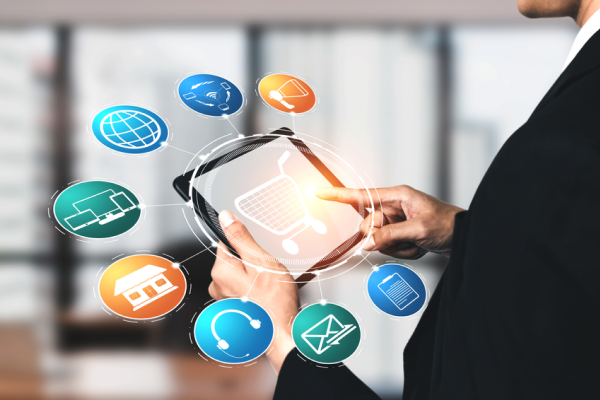
These channels can include physical stores, websites, online marketplaces, mobile applications, social media, and customer service. Data such as inventory, prices, orders, and customer interaction histories are synchronized across channels. This allows businesses to maintain consistent information when customers move from one channel to another.
However, it is important to understand that omnichannel retail is not simply about being present on multiple platforms. The key is integration.
For example, a customer discovers a product on social media. They then check its details on the website, ask questions through WhatsApp, and finally purchase and collect the product at a physical store. When the systems are integrated, the entire journey feels like one seamless shopping experience.
Why Is Omnichannel Retail Important for Business?
Customer shopping behavior is becoming increasingly unpredictable. Customers do not always discover products, look for information, and complete transactions in the same place. That is why businesses need to follow the customer journey rather than force customers to follow the limitations of their sales channels.
An omnichannel retail strategy allows businesses to deliver a more consistent experience while gaining a clearer understanding of customer behavior. When customers switch channels, they do not have to explain their needs from the beginning or repeat the same steps.
Channels You Can Integrate into an Omnichannel Retail Strategy
Several channels are commonly used in an omnichannel retail strategy. Here are some of the most important ones.
1. Physical Stores
For retail businesses, physical stores remain an important destination for customers who want to see, try, or collect products in person. When physical stores are integrated with digital channels, businesses can offer additional services, such as clicking and collecting or checking product availability across store locations.
2. Websites and Marketplaces
Websites often serve as central sources of product information and transactions, while marketplaces help businesses reach a wider audience. To connect these channels effectively, businesses need to integrate their inventory and order management systems so that the information displayed remains accurate and consistent.
3. Social Media
Many businesses use social media as a promotional channel. However, social media can also be a powerful tool for building relationships with customers. Through these platforms, customers can discover products, ask questions, interact with brands, and even start a purchasing journey.
4. Customer Service
WhatsApp, chat, email, and phone calls have become important parts of the customer journey. With integrated communication histories, customer service teams can respond more effectively without asking customers to repeat their questions or explain their problems again.
Benefits of Omnichannel Retail for Business
Adopting an omnichannel strategy opens growth opportunities for retail businesses. This can be seen through several benefits it offers, such as:
1. Improves the Customer Experience
Customers can move between channels more easily without losing important information or having to repeat the same process.
2. Builds Customer Loyalty
A consistent shopping experience makes customers feel more comfortable and confident in a brand.
3. Increases Sales Opportunities
Customers can start their purchasing journey on one channel and complete it through another. Connecting these steps helps reduce friction throughout the purchase journey.
4. Improves Inventory Accuracy
Integrating data ensures that inventory levels are synchronized in real time, keeping information accurate and up to date. This also helps prevent issues such as order cancellations caused by inaccurate stock information.
5. Provides Richer Customer Insights
Data collected from different customer touchpoints provides a more complete picture of customer behavior and preferences.
6. Increases Operational Efficiency
Teams no longer need to manage every channel separately. Centralized data and connected processes can reduce manual work.
Challenges of Implementing Omnichannel Retail
Although omnichannel retail offers many benefits, implementing it is not always simple. Integrating websites, marketplaces, point-of-sale (POS) systems, customer relationship management (CRM) platforms, inventory systems, and customer service tools requires careful planning.
Another challenge is keeping data synchronized across all channels. Businesses also need to maintain consistent service quality, prepare employees for changes in their workflows, and ensure that customer data remains secure.
The Importance of Integrating Communication Channels in Omnichannel Retail
Customers do not interact with a business only when making a purchase. They may ask questions before a transaction, request help during payment, check order status, or submit complaints after completing a purchase.
Imagine if every interaction was handled through a different system. Your team would need to open multiple applications, search for conversation histories, and ask customers to explain their problems again.
Does this kind of experience really feel integrated?
In an omnichannel retail strategy, customer communication should ideally be managed through a more centralized system. This allows teams to access relevant interaction histories and respond more quickly with information that matches the customer's needs.
CPaaS Solutions for Integrating Customer Communication
To help manage increasingly diverse customer communication needs, businesses can use CPaaS (Communication Platform as a Service).
CPaaS from Telkomsel Enterprise helps businesses integrate various communication channels into one platform, including voice, chat, and digital media. With more centralized communication management and a dashboard for monitoring customer interactions, businesses can manage customer communication more efficiently.
With CPaaS from Telkomsel Enterprise, businesses can work toward delivering more connected customer experience. Every interaction can be managed as part of the same customer journey
FAQ
What Is Omnichannel Retail?
Omnichannel retail is a business strategy that integrates multiple sales and communication channels, both online and offline, into one connected ecosystem.
These channels can include physical stores, websites, online marketplaces, mobile applications, social media, and customer service. Data such as inventory, prices, orders, and customer interaction histories can be synchronized, allowing customers to move between channels without losing context.
What Is the Main Goal of Omnichannel Retail?
The main goal of omnichannel retail is to create a more consistent and connected customer experience across different channels.
With an omnichannel, businesses can follow the customer journey instead of forcing customers to follow the limitations of their sales channels. Customers can discover products on social media, check product details on a website, ask questions through WhatsApp, and purchase or collect products at a physical store.
What Are the Differences Between Omnichannel Retail and Multichannel Retail?
The main difference lies in the level of integration between channels. Multichannel retail means a business uses multiple channels to reach customers, but those channels may operate separately.
Omnichannel retail, on the other hand, connects these channels within one ecosystem. Customer and business data can be shared or synchronized, allowing the shopping experience to remain consistent when customers move from one channel to another.