


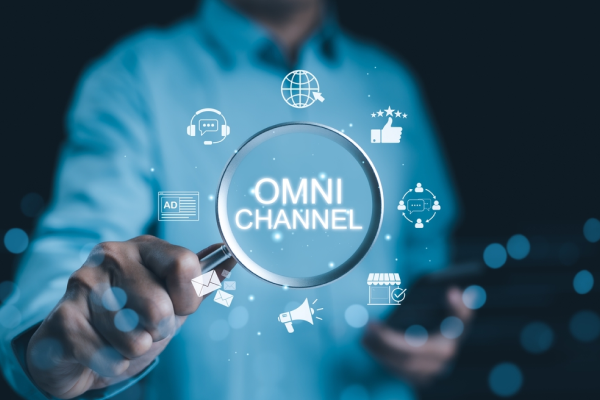


Omnichannel marketing helps brands create a more connected customer experience across different channels. A customer might discover a product on Instagram, move to WhatsApp to ask a question, compare prices on a marketplace, and eventually visit a physical store. Without strong connections between these channels, however, the conversation and context between the brand and customer can easily get lost.
Many businesses still think omnichannel marketing simply means selling products across multiple platforms. In reality, being present on many channels is not enough. Customers need to experience a consistent, connected journey at every interaction with the brand.
What Is Omnichannel Marketing?
Omnichannel marketing is a marketing strategy that connects different communication, marketing, and sales channels so customers can enjoy a consistent and connected experience throughout their journey.
These channels can include websites, social media, marketplaces, WhatsApp, email, mobile applications, and physical stores. Because these channels are connected, customers are not treated like completely different people simply because they switch from one platform to another.
For example, imagine that you discover a product through Instagram. You then contact the business through WhatsApp to ask about the product. With an effective omnichannel system, the customer service team can already understand which product you are asking about, so you do not have to explain everything from the beginning.
After you make a purchase through the website, your transaction information can remain available and be used to provide better post-purchase support. This is one of the key differences between omnichannel and multichannel marketing.
With multichannel marketing, a business may be present on several platforms, but each channel can operate independently. An omnichannel approach, on the other hand, aims to connect those channels so they work together as part of one customer journey.
Why Is Omnichannel Marketing Important for Business?
Customers do not always follow a neat or predictable buying journey. They might see an advertisement today, visit the website a few days later, ask a question through WhatsApp, and only complete the purchase the following week.
When every channel stores customer information separately, businesses can easily lose important context. That is why omnichannel marketing is becoming increasingly important for businesses that want to deliver a smoother customer experience.
1. Creates a More Convenient Customer Experience
Buyers hate repeating themselves. They want to communicate smoothly without losing context. With integrated systems, interaction history follows them wherever they go.
2. Helps Businesses Understand Their Customers
Aggregating data from multiple sources paints a complete picture of buyer behavior. You can track viewed products, preferred platforms, and buying patterns, allowing for highly relevant communication.
3. Increases Conversion Opportunities
Fewer roadblocks mean higher chances of closing a sale. Imagine a buyer ready to purchase but forced to re-enter their details on a new platform. That tiny friction could kill the deal. A unified strategy eliminates these hurdles.
4. Helps Build Customer Loyalty
Consistency makes buyers feel recognized and valued. Over time, this fosters deep loyalty, meaning you spend less effort hunting for new buyers and more on retaining existing ones.
5. Supports More Data-Driven Marketing Decisions
Instead of guessing which platform works best, you can analyze real data from every touchpoint. This allows you to channel your budget into campaigns that deliver actual ROI.
What Channels Can Be Used in an Omnichannel Marketing Strategy?
There is no rule that says businesses must use every available channel at the same time. In fact, using too many channels without a clear system can make operations more complicated.
If you want to build an omnichannel marketing strategy, here are some commonly used channels:
1. Social Media
Social media platforms such as Instagram, TikTok, Facebook, and YouTube often become the first touchpoint where customers discover a brand. Businesses can use social media to share educational content, introduce products, launch campaigns, answer questions, and engage directly with audiences through comments and direct messages.
However, the role of social media does not stop at brand awareness. It can also connect customers to other channels.
For example, a customer may discover a product on Instagram, then visit the website to learn more about its features or move to WhatsApp to speak with a customer service representative.
2. Website
A website usually serves as a central source of more detailed information. Customers can browse product catalogs, read product descriptions, compare options, and complete transactions if the website includes e-commerce functionality.
Within an omnichannel approach, information on the website should remain consistent with information presented on other channels. Prices, product descriptions, promotions, and stock availability should not create confusion because they differ from what customers see on Instagram or a marketplace.
3. Marketplace
Marketplaces such as Shopee, Tokopedia, and Lazada can be important channels for businesses targeting customers who are already comfortable shopping through e-commerce platforms.
A customer may first discover a product through social media but ultimately choose to purchase it through a marketplace because they are more familiar with its payment methods, delivery options, reviews, or promotional programs.
4. Whatsapp
Not every customer is ready to buy immediately after seeing a product. Some may still want to ask questions. They might want to know whether a product is available, which option is most suitable, how the product should be used, or whether another alternative is available.
With an omnichannel system, customer service teams should ideally be able to access relevant customer interaction history across channels.
For example, if a customer first asks about a product through Instagram and then continues the conversation through WhatsApp, the customer should not have to explain the entire situation again from the beginning.
5. Email Marketing
Email remains useful, particularly for maintaining customer relationships after an interaction or purchase. Because email communication can be personalized based on customer data, businesses can make their messages more relevant.
For example, a customer who has just purchased a product does not necessarily need to receive the same promotional message as someone who has never made a purchase.
6. Toko Fisik
Omnichannel marketing is not limited to digital channels. Physical stores can also become an important part of the customer journey.
For example, a customer may check product availability through a website before visiting a store. They can then see and try the product in person before completing the purchase at the physical location.
This type of journey shows that online and offline experiences do not have to operate separately.
What Are the Benefits of Omnichannel Marketing for Businesses?
An omnichannel marketing strategy is an integrated approach built around connections between different customer channels. Although implementing it can be complex and may require significant investment, it can create valuable benefits for both customers and businesses.
Here are some of the key benefits of omnichannel marketing:
1. Improves Customer Experience
Customers want a simple and convenient process. They do not want to repeat the same question, send the same transaction receipt several times, or explain the same problem to multiple customer service representatives.
When channels are properly integrated, customers can move between them more smoothly. This kind of consistent experience can help strengthen customer trust.
2. Increases Conversion Opportunities
The fewer obstacles customers face throughout their journey, the easier it is for them to complete a purchase.
A customer may already be interested in your product. However, if they have to switch platforms and enter their information again when they are ready to buy, that additional friction can cause them to abandon or postpone the purchase.
Omnichannel marketing helps reduce these unnecessary steps and keeps the buying journey moving.
3. Makes Communication More Personalized
Data collected from different touchpoints can provide a more complete understanding of each customer.
Businesses can identify products customers have viewed, their purchase history, preferred channels, and their responses to specific campaigns. This information can then be used to provide more relevant recommendations, messages, and offers instead of sending the same communication to every customer.
4. Helps Businesses Make Data-Driven Decisions
Without proper integration, customer data is often scattered across multiple systems. As a result, a company may have a large amount of data but still struggle to understand the complete customer story. Omnichannel marketing helps bring these pieces of information together, so businesses can identify customer behavior patterns more clearly.
5. Builds Stronger Customer Loyalty
A consistent customer experience can make people feel better understood. When purchasing, communication, and post-purchase support are all convenient and connected, customers have more reasons to continue engaging with the same brand.
Over time, these positive experiences can contribute to stronger customer loyalty.
Challenges of Implementing an Omnichannel Marketing Strategy
Although it may sound simple, implementing omnichannel marketing involves more than creating accounts on multiple platforms and connecting them.
Some of the biggest challenges actually happen behind the scenes. Here are several things businesses need to consider:
1. Separate Customer Data
This is one of the most common challenges in omnichannel marketing. WhatsApp data may be stored in one system, marketplace transactions in another, while website information is kept somewhere else. Because the data is spread across different systems, businesses can have difficulty getting a complete picture of an individual customer.
2. Having Multiple Channels Without Integration
Having many channels does not automatically mean a business is using omnichannel marketing. If every channel operates independently, customers can still experience a disconnected journey.
For example, a promotion on Instagram may be different from the one shown on the website, or customer service may not know about a customer's previous conversation. Situations like these can make the customer experience less consistent and may affect trust in the brand.
3. More Complex Coordination Between Teams
Omnichannel marketing is not only the responsibility of the marketing team. Sales, customer service, IT, operations, and data teams may also need to understand and follow the same customer journey.
Without good coordination, even a well-designed system can still result in a poor customer experience.
4. Requiring the Right Technology
Connecting multiple channels requires systems that can link data and communication efficiently. CRM, marketing automation, analytics, and API integration platforms can all become part of an omnichannel ecosystem.
However, businesses should choose technology based on their actual needs. The goal is not to use a particular technology simply because it is popular.
5. Maintaining a Consistent Customer Experience
Customers do not care about how your company's internal systems are organized. They mainly care about one thing: Is this brand easy to interact with?
That is why messages, product information, promotions, and service quality should feel consistent across every channel.
Telkomsel Enterprise CPaaS for More Integrated Communication
Before adopting examples of omnichannel marketing, businesses need to understand one of the biggest challenges involved, connecting multiple communication channels without making the overall system more complicated.
To address this challenge, businesses need a platform that can help bridge these channels. This is where CPaaS (Communication Platform as a Service) from Telkomsel Enterprise can help.
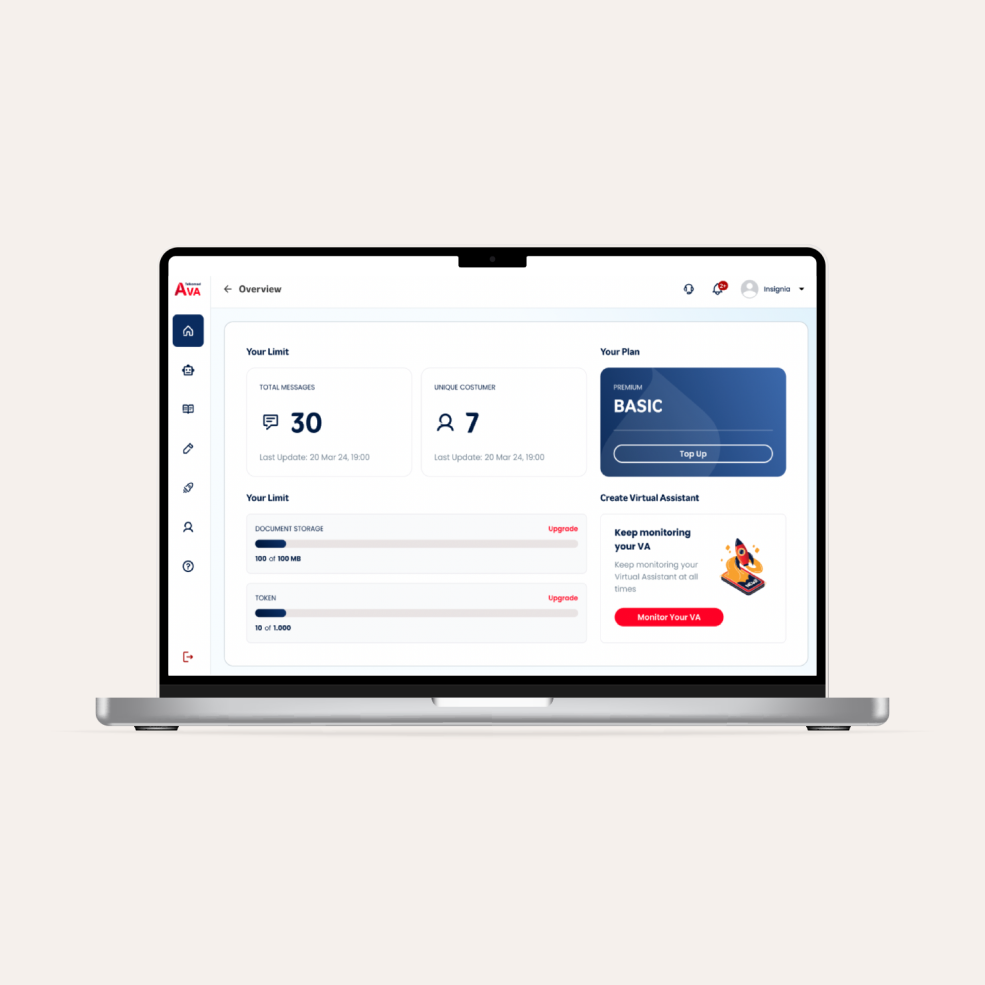
CPaaS allows businesses to integrate different communication channels through APIs within a single platform. With support for channels such as voice, video, chat, and social media, businesses can manage customer interactions in a more integrated way. The system also provides a dashboard for monitoring communication and accessing data insights that can help businesses better understand their customer interactions.
Communication can be managed within one connected ecosystem. Teams can also respond more quickly, even when customers move between different platforms to contact the brand.
More importantly, businesses can create a consistent experience where customers feel they are communicating with the same brand, regardless of which channel they choose.
FAQ
What is omnichannel marketing?
Omnichannel marketing is a marketing strategy that connects different communication, marketing, and sales channels so customers can enjoy a consistent and connected experience. These channels can include social media, websites, marketplaces, WhatsApp, email, mobile applications, and physical stores.
However, omnichannel marketing is not simply about being present on multiple platforms. The key is making sure customers can move from one channel to another without losing context or having to repeat information from the beginning.
What is the difference between omnichannel marketing and multichannel marketing?
The main difference is the level of integration between channels. With multichannel marketing, businesses use several channels to reach customers, but each channel may operate separately. Omnichannel marketing, on the other hand, connects these channels so customer data, information, and interaction history can be used in a more integrated way.
What are examples of omnichannel marketing?
Examples of omnichannel marketing can be seen when customers move between channels without losing the context of their journey. Some examples include:
Social media → WhatsApp → Purchase
A customer discovers a product on Instagram and then asks about it through WhatsApp. The customer service team can access the context of the previous interaction before helping the customer complete the purchase.
Website → Physical Store
A customer checks product information and availability through the website before visiting a store to see or try the product in person.
Marketplace → Email Marketing
After purchasing through a marketplace, a customer receives relevant follow-up communication through email based on the product or their transaction history.
Online → Offline
A customer discovers a product digitally, places an order online, and then picks up the product at a physical store. The entire process remains part of one connected customer journey.
What are the benefits of implementing omnichannel marketing for businesses?
Businesses that implement omnichannel marketing can gain several benefits, including an improved customer experience, greater conversion opportunities, more personalized communication, better data-based decision-making, and stronger customer loyalty.