





The internet has revolutionized how we access and share information, but with that convenience comes a growing number of cyber threats. For businesses, these risks are not just technical issues, but they can have real financial, legal, and reputational consequences.
A single breach can lead to data leaks, system downtime, loss of customer trust, or even corporate espionage. That’s why understanding and implementing a strong network security system is no longer optional, but it's a necessity.
What is a Network Security System?
A network security system is a set of technologies, policies, and practices designed to protect computer networks and the data they carry from unauthorized access, misuse, or theft. These threats can come from outside attackers or even from inside your organization.
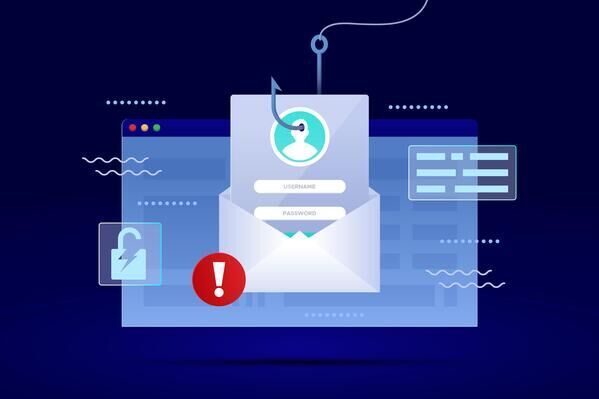
Common threats include malware, phishing attacks, ransomware, and unauthorized device access. Many businesses use firewalls and antivirus software as their first line of defense. But in reality, network security goes far beyond just installing tools. It requires proactive policies, regular training, and comprehensive monitoring.
Benefits of Network Security for Businesses
Whether you’re a growing startup or a large enterprise, investing in strong network security brings tangible advantages. Here are five key benefits every modern business should know:
1. Protects Sensitive Business Data
Data is one of the most valuable resources a company owns, from customer databases and financial reports to internal communications and trade secrets. Without proper safeguards, this sensitive information is vulnerable to theft, tampering, or exposure.
A well-designed network security system minimizes the risk of unauthorized access and ensures that critical business data remains confidential and intact.
2. Prevents Financial Loss
Cyberattacks don’t just disrupt operations, they can cause significant financial damage. Ransomware attacks, data breaches, and system outages can result in costly downtime, regulatory fines, and expensive recovery efforts.
By securing your network, you reduce the likelihood of falling victim to these costly incidents and protect your bottom line.
3. Builds Trust with Customers and Partners
Trust is everything in business. A single data breach can severely damage your reputation and lead clients or partners to walk away.
By maintaining robust network security, your business demonstrates its commitment to protecting customer and partner data, building loyalty and confidence over time.
4. Ensures Compliance with Data Protection Laws
Many industries are subject to strict data protection laws such as GDPR, HIPAA, or ISO standards. Failing to meet these requirements can result in severe penalties and legal action.
Implementing a compliant network security system helps you stay on the right side of the law while avoiding unnecessary risks and liabilities.
5. Boosts Productivity and Operational Continuity
Frequent security breaches or weak defenses can slow down workflows, distract IT teams, and create bottlenecks. With a secure network environment, employees can focus on their tasks without worrying about system vulnerabilities or cyber disruptions.
Moreover, secure networks enable safer adoption of emerging technologies like cloud computing, IoT, and remote work solutions.
Types of Network Security Systems You Should Consider
Modern threats require layered protection. Here are the most common components of a comprehensive network security system:
1. Firewall
Acts as a digital gatekeeper, monitoring incoming and outgoing traffic based on security rules. It blocks unauthorized access while allowing safe data to pass through.
2. Intrusion Detection and Prevention Systems (IDPS)
Detects suspicious activity in real time and takes immediate action, like blocking threats or alerting the IT team.
3. Virtual Private Network (VPN)
Encrypts internet connections, especially vital for remote work environments. VPNs ensure private, secure access to your company’s internal network.
4. Network Access Control (NAC)
Restricts access to only authorized users and devices. NAC can deny entry to any device that doesn’t meet your organization’s security standards.
5. Endpoint Security
Protects individual devices like laptops, desktops, and smartphones from malware or intrusions. This is crucial for companies with remote teams or BYOD policies.
6. Data Loss Prevention (DLP)
Prevents sensitive information from being shared or leaked intentionally or accidentally outside your secure network.
7. Encryption
Transforms data into unreadable code that can only be unlocked with a decryption key. This safeguards both stored and transmitted data from interception or theft.
Secure Your Business with Private Network from Telkomsel Enterprise
As cyber threats grow more sophisticated, businesses need advanced, reliable solutions to safeguard their digital ecosystems. Telkomsel Enterprise offers a Private Network solution built for security, scalability, and performance.
With a dedicated, encrypted connection, your business can operate with confidence, knowing your data is protected, your systems are resilient, and your communications remain private.
Secure your business today, contact us to learn how Telkomsel Enterprise can protect your network and power your growth.