

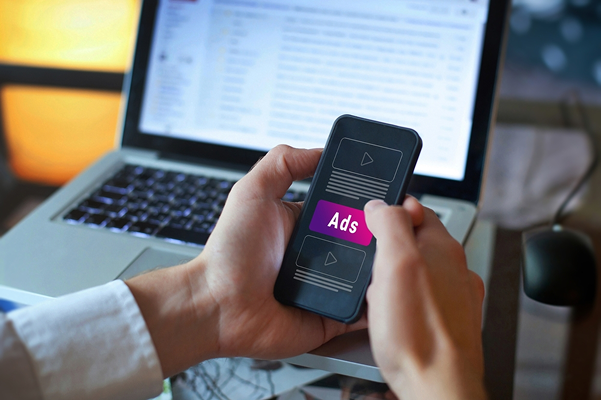


Smartphone usage dominates our daily digital lives, fundamentally shifting how consumers interact with brands. This behavioral change forces businesses to adapt their marketing strategies to match audience preferences, one of the most effective ways to do this is through mobile advertising.
This approach stands out as a highly effective digital marketing channel to boost brand visibility and drive business growth. But how do you maximize it for your business development?
What is Mobile Advertising?
Simply put, mobile advertising is a form of digital marketing displayed exclusively on mobile devices like smartphones and tablets. These ads come in various formats, including banners, videos, app notifications, and location-based promotions.
The main goal is to reach users while they actively browse the internet, use apps, or scroll through social media.
Unlike traditional ads, this method is highly personal and contextual. By leveraging user data such as interests, behavior, and location, it significantly boosts relevance and conversion rates.
Why is Mobile Advertising Important in the Digital Era?
The number of smartphone users continues to grow every year, and more people now access the internet through mobile devices than desktop computers. This shift has made mobile advertising one of the most effective ways to reach a wider audience. Here are other reasons why it is crucial:
Real-Time Reach
Phones are always with users almost all the time. This allows your business to reach audiences in real-time when they are searching for information, comparing products, or ready to make a purchase.
This instant access provides a massive opportunity to deliver relevant messages at the perfect moment.
Higher Conversion Potential
Mobile advertising allows users to take immediate action after seeing an ad, such as visiting a website, downloading an app, contacting a business, or making a purchase. The shorter the customer journey from seeing the ad to taking action, the higher the conversion rate.
Deep Personalization
Digital technology allows ads to be tailored to interests, locations, browsing behavior, and past interactions. This personalization increases ad relevance, making users more likely to engage with your business.
How Mobile Advertising Works
To run effective campaigns, this channel relies on data technology and digital ad platforms through these steps:
Collecting User Data
The process starts with collecting data from various sources like mobile apps, websites, social media, and other digital activities. This data typically covers age, location, interests, online behavior, device type, and brand interaction history.
Identifying the Target Audience
Using these insights, businesses can define audience segments that match their campaign goals.This segmentation ensures ads are shown to people with a higher potential interest in your products or services.
Delivering Personalized Ads
Once the target audience is set, the ad system displays promotions to users matching those criteria. Ads are served across apps, mobile websites, social media platforms, search engines, and other digital ad networks.
Measuring Campaign Performance
Every user interaction can be tracked and analyzed in detail. This means you can monitor metrics like impressions, clicks, conversion rates, cost-per-click, and Return on Investment (ROI) to evaluate campaign success. Understanding how to measure mobile advertising effectiveness helps businesses optimize future campaigns and maximize their marketing budget.
Types of Mobile Advertising
There are many formats you can choose from based on your marketing goals. Here are the types of mobile advertising explained:
1. Video Ads
Video ads are among the most effective advertising formats because they deliver messages through engaging visuals and audio. They are commonly used to increase brand awareness, introduce new products, and encourage audience engagement.
2. Banner Ads
Banner ads are image-based advertisements displayed within mobile websites or apps. Although simple, they remain an effective way to improve brand visibility and drive traffic to landing pages.
3. Interstitial Ads
Interstitial ads are full-screen advertisements that appear during natural transition points, such as between app screens or after completing a game level. Their larger display often results in higher visibility and stronger user attention.
4. Rich Media Ads
Rich media ads combine interactive elements such as animations, videos, audio, or clickable features to create a more engaging advertising experience and encourage user interaction.
5. Native Ads
Native ads blend naturally with the content and design of the platform where they appear. If you've ever wondered what is mobile native advertising, it refers to this type of ad that feels like part of the user experience rather than a traditional advertisement, often leading to higher engagement rates.
6. Location-Based Ads
Location-based ads use a user's geographic location to display highly relevant advertisements. This format is especially valuable for businesses looking to attract nearby customers or increase visits to physical stores.
7. In-App Ads
In-app ads are displayed within mobile applications, allowing businesses to reach users while they are actively using their favorite apps. This remains one of the most widely used mobile advertising formats today.
8. Push Notification
Push notifications are short messages sent directly to a user's mobile device. When used strategically, they can encourage repeat visits, improve engagement, and remind customers about promotions or important updates.
Benefits of Mobile Advertising for Business
Businesses that implement this correctly will enjoy numerous benefits. Let's explore the advantages of mobile advertising in business:
-
Making it easier for customers to complete purchases or other desired actions.
-
Reaching highly relevant audiences through advanced targeting and segmentation.
-
Improving marketing efficiency while optimizing advertising budgets.
-
Increasing conversion opportunities through personalized campaigns.
-
Building stronger brand awareness across multiple mobile channels.
-
Monitoring campaign performance through measurable digital metrics for continuous optimization.
-
Staying relevant as consumer behavior continues to shift toward mobile devices.
-
Adjusting audience targeting, ad formats, budgets, and campaign schedules based on changing business needs.
Effective Strategies for Mobile Advertising
Running ads on smartphones alone is not enough. Businesses need a well-planned strategy to reach the right audience, generate meaningful engagement, and achieve measurable results. Below are some of the most effective ways to run mobile advertising.
1. Set Clear Goals
Every marketing goal requires a different approach, from ad formats and target audiences to success indicators.
For instance, an awareness campaign focuses on reach and impressions, while a sales campaign focuses on conversion rates and ROAS. Clear goals help allocate budgets effectively and measure success accurately.
2. Use Data Analytics
Data is the foundation of modern campaigns. Through analytics, you can understand audience characteristics, user behavior patterns, content preferences, and the best times to display ads.
A data-driven approach minimizes guesswork and increases the likelihood of running successful campaigns.
3. Prioritize User Experience
Ads should enhance rather than interrupt the user experience. Avoid displaying overly intrusive advertisements that are difficult to close or disrupt browsing activities.
Your landing pages should also load quickly, display properly on mobile devices, and provide a seamless browsing experience.
4. Use Relevant Keywords
Conduct regular keyword research to understand search trends and consumer behavior. Combine primary keywords with specific long-tail keywords to reach audiences with higher conversion potential.
Relevant keywords ensure your ads appear for users actively seeking information, products, or services matching your business.
5. Perform A/B Testing
There is no single advertising formula that works for every audience. A/B testing is crucial for finding the most effective combination of ad elements.
You can test headlines, visual designs, CTA button colors, ad formats, and audience segmentation. By comparing versions, you will discover which approach yields the best clicks, engagement, or conversions.
6. Refresh Your Ad Creatives
Mobile users see hundreds of digital ads every day, making ad fatigue a common challenge. Updating materials regularly keeps audiences interested and ensures your message stays relevant to current market trends. Updates can include new visuals, special offers, copywriting variations, or different formats.
7. Schedule Ads at the Right Time
Every audience segment has different digital activity patterns, making it vital to know when they are most active on mobile.
For example, professionals might be active in the morning and evening, while students have different patterns. Showing ads at the right time significantly boosts clicks and conversions.
8. Optimize Content for Mobile Devices
Since the main targets are smartphone and tablet users, all campaign materials must be designed specifically for mobile.
Ensure images aren't too heavy so they load easily, videos have effective durations, and text is clearly readable on smaller screens. Navigation buttons and CTAs must also be easily tappable.
9. Build a Mobile-Friendly Website
An effective ad campaign doesn't end with a click. Your website should load quickly, offer responsive design, provide simple navigation, and make it easy for visitors to complete purchases or submit inquiries.
Mobile advertising has become one of the most important digital marketing strategies for increasing brand awareness, engagement, and conversions. However, achieving strong results depends on reaching the right audience instead of wasting budget on users who are unlikely to convert.
DigiAds: Telkomsel Enterprise’s Solution for Reaching Highly Relevant Audiences
Your business needs a solution backed by accurate data and segmentation capabilities. DigiAds from Telkomsel Enterprise is the perfect mobile advertising solution to help your business run more targeted and measurable marketing campaigns.
Supported by relevant data insights, DigiAds can reach audiences based on various parameters like location, demographics, and digital behavior. This approach boosts campaign effectiveness while optimizing your marketing budget.
Furthermore, comprehensive performance tracking allows your business to continuously evaluate and optimize campaigns for maximum results.
Maximize mobile advertising with DigiAds by Telkomsel Enterprise to reach more relevant audiences, improve campaign effectiveness, and achieve better business outcomes through data-driven digital advertising.
FAQ:
What is the biggest difference between in-app advertising and mobile browser advertising?
In-app advertising generally delivers higher engagement because users are actively interacting with an application. Mobile browser advertising, on the other hand, is more effective for reaching users who are searching for specific information, products, or services.
How effective is location-based targeting for driving visits to physical stores?
Location-based targeting is highly effective because it delivers ads to users within a specific geographic area or near your business location, increasing the likelihood of store visits and local conversions.
How can businesses optimize their mobile advertising budget?
Use precise audience segmentation based on demographics, interests, location, and user behavior. Regularly monitor campaign performance, analyze key metrics, and optimize your campaigns to ensure your advertising budget is spent on the audiences most likely to convert.