




In recent years, awareness of Environmental, Social, and Governance (ESG) responsibility has significantly increased across various industries, including mining. ESG is not only a global trend but also a new benchmark for companies to demonstrate their commitment to sustainability and ethical business practices.
One of the key innovations supporting successful ESG implementation is technology, particularly the Internet of Things (IoT). IoT enables real-time data collection, connection, and analysis, helping mining companies operate more efficiently, safely, and environmentally responsibly.
So, what exactly is ESG, and why is it so important? How can companies in the mining sector integrate ESG principles? Keep reading to find out all you need to know!
What is ESG?
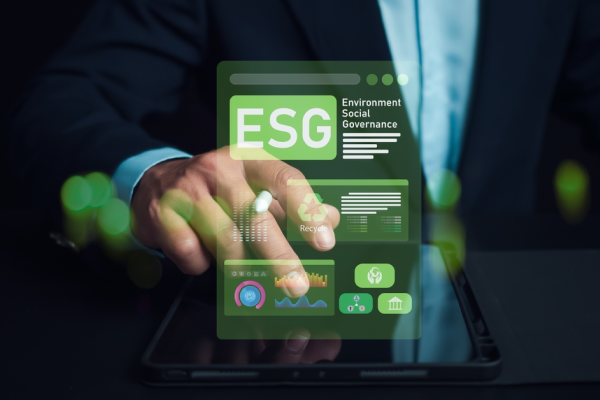
Environmental, Social, and Governance (ESG) refers to a framework used to assess how a company manages its responsibilities toward the environment, social impacts, and corporate governance. The concept was first introduced by the United Nations in 2004 through the "Who Cares Wins" initiative and has since become a cornerstone of sustainable business practices worldwide.
ESG goes beyond simply evaluating profitability; it focuses on how companies can create long-term value through responsible practices. By embracing ESG principles, your company not only focuses on financial profits but also ensures its operations have a positive impact on the environment and society.
In the mining sector, ESG plays a crucial role in ensuring that natural resource extraction is done sustainably and ethically. This includes waste management, protecting local ecosystems, and ensuring the well-being of nearby communities, key factors in the assessment of a mining company’s ESG performance.
Why Is ESG Important? 7 Strategic Benefits for Businesses
Implementing ESG provides various strategic benefits, impacting financial, operational, and reputational aspects of the business. Here’s how ESG can benefit your company:
1. Access to Sustainable Capital and Investment
Many financial institutions and institutional investors are increasingly looking to fund companies with strong ESG commitments. This means companies that effectively implement ESG practices have greater access to capital, including green financing and sustainability-linked loans.
2. Improved Reputation and Brand Image
Companies demonstrating a commitment to sustainable business practices often enjoy higher trust from stakeholders, including customers, investors, and governments. A strong ESG track record can differentiate your company in an increasingly competitive market.
3. Enhanced Financial Performance
Studies consistently show that companies with strong ESG practices tend to perform better financially. Efficient operations, risk management, and positive community relationships contribute to long-term profitability.
4. Long-term Growth
By managing environmental and social impacts responsibly, companies can foster more sustainable growth. ESG also helps businesses minimize operational disruptions and ensures the longevity of resources for future generations.
5. Reduced Operational Costs and Risks
Energy efficiency, waste reduction, and better resource management not only protect the environment but also lower operational costs. Additionally, strong governance practices help mitigate legal and reputational risks.
6. Improved Employee Engagement
Employees are more motivated to work for companies that align with sustainability values. This results in higher loyalty, productivity, and retention, contributing to a healthier corporate culture.
7. Increased Competitive Edge
Companies that adopt ESG practices are better equipped to adapt to regulatory changes and shifting market expectations. This gives them a stronger competitive position compared to companies that have not yet embraced sustainability principles.
The Three Pillars of ESG: Key Components in Business
ESG consists of three main pillars: Environmental, Social, and Governance. These pillars are interlinked and must be balanced to achieve true business sustainability. Here’s a closer look at each component and its implementation in business:
1. Environmental (E)
The environmental factor focuses on how your company minimizes its negative impact on the planet. In the mining industry, this includes:
-
Managing carbon emissions and air pollution
-
Using renewable energy sources
-
Properly handling mining waste
-
Rehabilitating land post-mining
-
Using energy-efficient technologies such as IoT to monitor emissions and equipment efficiency
2. Social (S)
The social pillar evaluates how your company interacts with employees, local communities, and other stakeholders. Examples of social responsibilities include:
-
Ensuring occupational health and safety
-
Offering equal employment opportunities and skill development programs
-
Empowering local communities around mining sites
-
Respecting human rights
-
Involving the community in decision-making processes related to mining operations
3. Governance (G)
The governance aspect relates to internal management and oversight systems. Key governance principles include:
-
Transparency and accountability in financial reporting
-
Having an independent and ethical board of directors
-
Complying with regulations and international standards
-
Preventing corruption and conflicts of interest
-
Open and verified ESG reporting
Implementing strong governance ensures that your company operates with integrity, which in turn builds trust among investors and the public.
Example of ESG Implementation: Green Mining in the Mining Industry
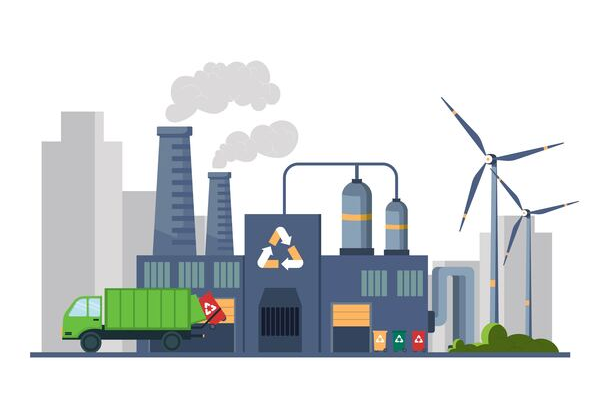
A clear example of ESG application in mining is green mining, a sustainable approach to mining that leverages modern technology to reduce ecological impact.
Green mining integrates IoT and digital sensors to monitor mining activities in real time. Some key practices include:
-
Monitoring emissions and air quality in mining areas to ensure compliance with environmental standards
-
Tracking energy and water consumption to avoid exceeding sustainability limits
-
Using IoT data to predict equipment failure before it causes major disruptions
-
Automated land rehabilitation, where data from sensors helps assess soil fertility post-mining
This green mining approach not only reduces environmental impact but also helps companies lower operational costs through energy efficiency and better resource management.
Challenges in Implementing ESG
Despite the numerous benefits, the implementation of ESG in the mining industry faces several challenges that need to be addressed. These challenges, which can be explored further in Solution Day 2025 panel discussions, include the following:
1. Lack of Awareness and Understanding
Many companies still perceive ESG as an additional burden rather than a long-term investment. The lack of understanding about the strategic value of ESG often hampers its effective implementation. Without a clear grasp of the benefits and long-term impact of ESG principles, companies may be reluctant to adopt these practices, especially in industries like mining where traditional practices have long been the norm.
2. High Implementation Costs
The initial investment required to implement ESG practices can be substantial. This includes expenses for environmental monitoring technologies, reporting systems, and community empowerment programs. For small and medium-sized enterprises (SMEs) in the mining sector, these costs can be a significant barrier to adoption.
3. Diverse Regulatory Approaches
Different countries and regions have varying ESG standards and regulations. This diversity can create challenges, especially for multinational companies operating across multiple jurisdictions.
4. Internal Resistance to Change
One of the greatest hurdles in ESG implementation is the resistance to change within an organization. Shifting company culture to align with ESG values can be difficult, especially in industries like mining that have deep-rooted practices. Some employees, especially at middle management levels, may be reluctant to embrace new ways of operating, especially if they are comfortable with traditional methods.
5. Inaccurate Data Collection
Accurate and integrated data collection is crucial for evaluating ESG performance. However, many companies struggle with poor data integration, incomplete data, or inaccuracies in reporting. This can hinder the company's ability to assess its ESG impact effectively. Technologies like IoT play a critical role in addressing this challenge by ensuring real-time, accurate, and objective data collection.
6. Lack of Transparency in ESG Reporting
A lack of transparency in ESG reporting can significantly damage a company’s credibility with investors and other stakeholders. To ensure transparency and credibility, companies need secure, digital systems that allow for verifiable ESG data reporting, helping to build trust and confidence in their sustainability efforts.
The Role of IoT in ESG Implementation in the Mining Industry
In the digital age, the Internet of Things (IoT) plays a vital role in helping mining companies implement ESG principles effectively. IoT enables real-time data collection from sensors and devices in the field, transmitting it to centralized systems for analysis
Here are some ways IoT supports ESG in the mining sector:
-
Automated environmental monitoring: IoT sensors track emissions, air quality, noise levels, and vibrations in real time, ensuring compliance with environmental standards.
-
Energy and resource efficiency: IoT helps monitor fuel, electricity, and water consumption, preventing wasteful resource use.
-
Worker safety (social factor): IoT-based monitoring systems track worker locations and conditions in high-risk areas, improving safety.
-
Data governance and reporting: IoT data is securely stored and verified, ensuring transparent ESG reporting and facilitating compliance audits.
By integrating IoT technologies, mining companies not only improve operational efficiency but also enhance their reputation as responsible environmental and social stewards.
Telkomsel Enterprise's IoT Smart Mining Solution
To effectively implement ESG principles in the mining sector, reliable, secure, and integrated IoT solutions are essential. Telkomsel Enterprise offers IoT Smart Mining, a digital solution tailored for Indonesia’s mining industry.
Key features of IoT Smart Mining include:
-
Real-time Monitoring: Allows for immediate oversight of mining conditions, equipment, and the environment.
-
Secure & Compliant: Ensures data security in line with industry standards and national regulations.
-
Data-driven Insights: Provides analytics to support quick, informed decision-making.
-
Operational Efficiency: Helps optimize resource usage and reduce carbon emissions.
With IoT Smart Mining from Telkomsel Enterprise, mining companies can fully embrace ESG principles, enhancing energy efficiency, worker safety, and environmental management. By integrating advanced IoT technology, Telkomsel is helping mining companies optimize performance, reduce environmental risks, and build more transparent, sustainable governance systems.
It’s time to transform your mining operations and embrace ESG principles with Telkomsel Enterprise’s IoT Smart Mining solution. Learn how IoT can help your business operate smarter, more efficiently, and more responsibly.