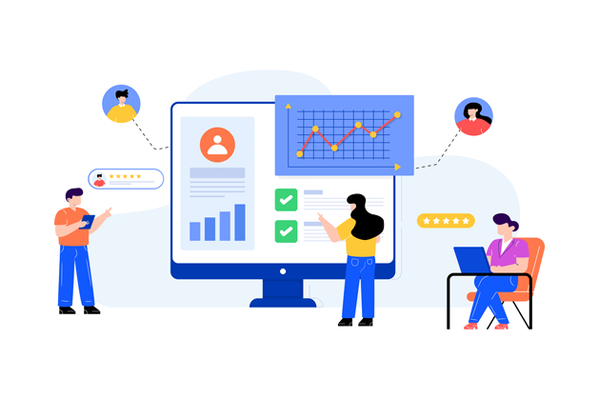


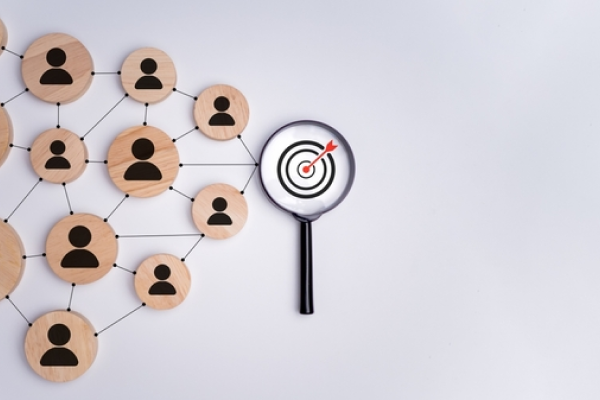


Do you know exactly who your target audience is? If not, you could be throwing your marketing budget into the void. Identifying your ideal customers isn’t just a nice-to-have, but it’s the absolute foundation of any marketing strategy that delivers real results.
When you zero in on the right people, those who truly need and want your product or service, every marketing rupiah works harder. Your messages resonate more, your brand loyalty grows stronger, and your sales skyrocket.
On the flip side, without a clear target audience, your campaigns risk being too broad and generic, a costly mistake that wastes time, money, and effort on people who just aren’t interested. So, if you want to grow your business efficiently and effectively, defining your target audience isn’t optional, but it’s a must.
What Is a Target Audience?
A target audience is a specific segment of the population that a business aims to reach with its marketing messages or campaigns. These are the people most likely to be interested in what you offer and who will respond positively to your marketing efforts.
For example, if you sell eco-friendly skincare products, your target audience might be environmentally conscious consumers aged 18-35 who prefer natural ingredients. Defining your target audience means identifying such groups based on demographic, geographic, psychographic, and behavioral characteristics.
Sprout Social defines the target audience based on various traits such as age, gender, location, interests, and consumer behavior patterns. The better you understand these attributes, the more effectively you can craft marketing messages that resonate and convert.
Target Audience vs. Target Market: What’s the Difference?
Though these terms are often used interchangeably, there are key differences that marketers should understand:
1. Definition Target Audience vs Target Market
Target market refers to the broader group of potential customers your product or service is designed for. It includes all possible buyers who might be interested in your offerings.
Target audience is a narrower, more specific group within the target market. This group is defined by those you want to engage with a particular campaign, advertisement, or message.
Think of the target market as the full pool of potential customers, while the target audience is the segment you focus on in each marketing effort.
2. Group Size and Focus
The target market tends to be larger and more general. For example, the target market for a sports shoe company might be “athletes and fitness enthusiasts”.
The target audience is a focused subset within this market, such as “female runners aged 25-35 living in urban areas.” This focus allows for more personalized and effective communication.
3. Purchase Readiness
Target markets include everyone who could potentially buy, even those who might not yet recognize their need for your product. Meanwhile, target audiences are those who have shown some level of interest or readiness to buy, making them more likely to engage or convert soon.
4. Marketing Objectives
The target market informs your overall product development and marketing strategies. But The target audience helps tailor specific marketing messages, creative elements, and channels to maximize impact and relevance.
Types of Target Audiences
Segmenting your target audience allows you to deliver highly relevant marketing messages. Here are common ways to categorize your audience:
1. Geographic Segmentation
This approach targets customers based on their location, whether it’s by country, state, city, or neighborhood. Geographic segmentation is especially useful for businesses with local or regional products, allowing content to reflect local culture, language, and preferences.
2. Niche Audience
A niche audience is a very specific group with unique needs or interests. For instance, a company selling vegan skincare products might target individuals passionate about cruelty-free and sustainable beauty solutions.
Marketing to niche audiences can create loyal customer bases because of the tailored value proposition.
3. Demographic Segmentation
Demographics include factors such as age, gender, income, education level, occupation, and marital status. Understanding these characteristics helps businesses craft messages that appeal to groups, such as marketing luxury goods to higher-income individuals or tech gadgets to younger demographics.
4. Generational Segmentation
Different generations such as Baby Boomers, Gen X, Millennials, Gen Z have distinct values, communication preferences, and shopping behaviors. Customizing marketing strategies for generational traits increases relevance and engagement.
For example, Gen Z might respond better to social media campaigns, while Baby Boomers might prefer email or traditional advertising.
5. B2B Target Audience
For businesses selling to other businesses, the target audience includes companies or decision-makers who require solutions to improve efficiency, reduce costs, or boost productivity. B2B marketing usually involves more technical content and formal communication.
6. Psychographic Segmentation
Psychographics dig deeper into your audience’s lifestyles, values, interests, personalities, and opinions. This segmentation helps you understand the motivations behind purchasing decisions and craft emotionally compelling marketing messages.
For example, marketing a fitness app to health-conscious, goal-oriented individuals requires different messaging than marketing it to casual exercisers.
Why Identifying Your Target Audience Matters
Knowing your target audience isn’t just about choosing who to advertise to, but it’s about building smarter, more efficient marketing strategies. Here’s how it benefits your business:
1. Easier Content Creation
When you understand your audience’s pain points, interests, and preferences, creating resonant content becomes much easier. You’ll know which topics to cover, what tone to use, and which platforms to prioritize.
2. More Focused Marketing Campaigns
Instead of casting a wide net and hoping for results, targeted campaigns allow you to speak directly to those who matter most, increasing engagement and reducing wasted resources.
3. Avoid Unhealthy Competition
By narrowing your focus, you can tap into underserved niches where competition is lower, and customer loyalty is stronger.
4. Better ROI Through Optimization
Targeted marketing ensures every dollar spent works harder. From choosing the right social media platform to crafting compelling CTAs, optimization leads to measurable improvements in campaign performance.
5 Effective Ways to Identify Your Target Audience
Here are five actionable steps to help you define your ideal audience clearly:
1. Analyze Your Products and Services
Start by understanding what your product or service offers and who would benefit most. For example, a fitness tracker appeals to active people, athletes, or health-conscious individuals. Knowing your product’s unique selling points helps identify which groups will find it valuable.
2. Identify Demographic Characteristics
Gather data on age, gender, income, education, occupation, and other demographic factors that describe your potential customers. This helps you develop personas and craft messages that fit their lifestyle and preferences.
3. Conduct Psychographic Research
Look beyond demographics to explore your audience’s interests, values, personality traits, and lifestyles. For example, if your product is eco-friendly, your audience might prioritize sustainability and ethical consumption. Understanding these aspects lets you connect emotionally and authentically.
4. Study Consumer Behavior
Analyze how potential customers behave, such as what they buy, how often, and what influences their decisions. Use sales data, customer surveys, and digital analytics (like website visits or social media engagement) to uncover patterns. This insight enables you to refine your marketing tactics for higher conversion rates.
5. Research Your Competitors
Observe who your competitors target and how they communicate with their audience. Look for underserved segments or areas where you can offer better solutions. Learning from competitors’ successes and failures can guide your own targeting and messaging strategies.
Defining your target audience is not a one-time task, but it’s an ongoing process that evolves with your business and market trends. By continuously refining your understanding of who you're speaking to, you'll be able to craft campaigns that resonate deeply and drive real results.
If you’re looking for a digital advertising partner that helps you pinpoint and reach your ideal audience with precision, consider leveraging advanced tools like DigiAds by Telkomsel Enterprise, designed to maximize reach, engagement, and ROI across multiple platforms.
Ready to optimize your marketing? Start by defining your target audience today.