

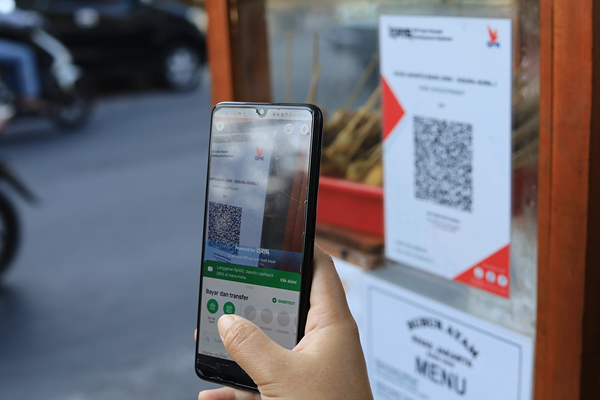


Fake QRIS scams are becoming an important concern as QRIS payments become more common across business transactions. While QRIS offers a convenient payment method for customers and merchants, every transaction still requires proper attention to keep payments secure.
Scammers may replace genuine QR codes with fake ones or use invalid payment receipts to make merchants believe a transaction has been completed. Therefore, both customers and business owners need to understand the signs of a fake QRIS and how to avoid these scams to keep transactions safe.
What Is a Fake QRIS?
A fake QRIS is a QR code that has been created or altered to direct payments to an unintended account or merchant. It is designed to look like an official QRIS code, making it difficult to recognize as fraudulent at first glance.
However, replacing a QR code is not the only way scammers can deceive merchants. They may also show fake payment receipts or screenshots from previous transactions to convince a merchant that a payment has been made.
This means the risks do not come only from QR codes displayed at business locations. Merchants must also pay attention to how customers present payment evidence and confirm whether the transaction has actually been recorded in their payment system.
Fake QRIS Scams Merchants Should Watch Out For
There are several methods that can be used to defraud merchants and customers alike. Here are some of them.
1. Fake QRIS Codes
This scam involves displaying a QR code that looks like the merchant's official QRIS code but directs payments to another recipient. The fake code may be placed near a cashier, on a table, in a display area, or anywhere customers can easily see it.
2. QRIS Account Replacement
In this scheme, the QR code shown to customers directs payments to an account that does not belong to the merchant. This may happen when someone replaces the original payment code or changes the recipient information presented to customers.
3. Screenshots of Previous Payments
Not all scams involve tampering with QR codes. Fraudsters may also show screenshots of previous payment transactions and claim that a new payment has just been made. Therefore, merchants should not rely solely on screenshots provided by customers but should verify that the transaction has been successfully recorded in the payment receiving system.
4. Quishing or QR Phishing
Quishing, short for QR code phishing, is a form of phishing that uses QR codes to direct users to specific websites or pages. Scammers may create a code that looks like a payment QR code but actually leads to a potentially harmful website or a page designed to collect sensitive information.
Signs of a Fake QRIS
Merchants should carry out simple checks to reduce the risk of fake QRIS scams. Here are some signs to watch out for:
1. The Merchant Name Does Not Match After Scanning
After customers scan a QRIS code, the recipient's information usually appears in the payment app. If the displayed name does not match the merchant's name, do not proceed with the transaction until the discrepancy has been clarified and the QR code has been verified.
2. A Sticker Appears to Cover Another QR Code
Pay attention to the physical condition of the QR code. If a new sticker appears to have been placed over the original code or the label looks uneven or poorly attached, investigate further before allowing customers to use it.
3. Missing NMID or TID Information
Merchant identification details, such as NMID or TID, are among the details that may need to be checked to ensure the payment code matches the business's identity. If the expected information is missing, merchants should verify the code with their payment service provider.
4. The QR Code Is in a Suspicious Location
Merchants should also pay attention to where QR codes are displayed. A code that suddenly appears on a table, near the cashier, or in a payment area without the management's knowledge should be treated with caution.
Risks of Fake QRIS for Businesses
Fake QRIS scams can have a direct impact on a business's daily operations and finances. The most obvious risk is financial loss when goods or services have already been provided, but the payment never reaches the merchant's account.
Beyond financial losses, payment fraud can also lead to disputes between customers and merchants. Resolving these issues can take time, as businesses may need to review transaction records, payment receipts, and fund receipt histories to determine what happened.
If a fake QR code is placed at a business location, merchants also risk losing customer trust. Customers who believe their payments have not reached the business may begin to question the security of the available payment systems.
How to Avoid Scams Involving a Fake QRIS
Besides recognizing the signs of a fake QRIS, merchants can take several preventive measures to protect their business and customers.
1. Make Sure the QRIS Comes from an Official Provider
Use a QRIS code obtained through an official payment service provider or authorized operator. Avoid replacing a QR code based on a file or image from an unknown source. Merchants should also keep records of the QRIS codes they use, so they can verify them if any changes are found in the displayed codes.
2. Check the Merchant Name Before Completing a Payment
Merchants can ask customers to verify the recipient's name displayed in the payment app before completing a transaction. If the name does not match, the payment should not proceed until the QR code has been confirmed as valid. This step also helps customers ensure their money is sent to the correct recipient.
3. Monitor Incoming Transactions
Merchants need to ensure that payments are recorded in their payment receiving system. Monitoring becomes even more important when a store is busy. The more transactions that take place simultaneously, the greater the chance that a payment may be overlooked if checks are performed manually.
4. Never Rely Only on Payment Screenshots
A screenshot can show transaction details, but it is not a substitute for confirmation that the funds have been received by the merchant. The screenshot may come from an old transaction or may even have been manipulated. Therefore, merchants should compare the information shown by customers with the transaction status recorded in the business's payment system.
The Importance of Real-Time QRIS Payment Confirmation
Real-time payment confirmation helps merchants know when a transaction has been completed successfully without relying entirely on the payment proof shown by customers. Receiving confirmation as soon as a transaction is completed also helps speed up the service process.
This becomes even more important for businesses with high transaction volumes. When cashiers need to serve many customers, repeatedly opening an app to check each payment can slow down queues and increase the risk of overlooking transactions.
To address this, Soundbox from Telkomsel Enterprise helps merchants confirm QRIS payments instantly through voice notifications. Every successful transaction triggers an immediate notification for the merchant.
This solution also provides an additional layer of verification to reduce the risk of missed transactions, payment errors, and transaction disputes. Backed by Telkomsel connectivity, Soundbox helps businesses make payment processes faster, more convenient, and easier to monitor.
Want to make QRIS payment verification faster and more convenient? Take advantage of Soundbox from Telkomsel Enterprise and support your business with real-time transaction notifications.
FAQ
What are the signs of a fake QRIS?
A fake QRIS may display a different merchant name when scanned, have a QR sticker that appears to cover another code, or be placed in an unusual location. You should also be cautious if the QRIS code is difficult to scan, or the merchant information is unclear.
How can I tell whether a QRIS is genuine or fake?
Scan the QRIS and check that the merchant's name displayed in the payment app matches the intended recipient before entering your PIN. Do not proceed with the transaction if the name, payment amount, or merchant information appears suspicious or does not match.
Can a fake QRIS take money directly from my bank account?
A fake QRIS generally cannot withdraw money from your account simply because you scan it, but it can direct your payment to the wrong account or merchant. Therefore, always check the transaction details before entering your PIN or completing the payment.
What should I do if I accidentally pay through a fake QRIS?
Contact the payment app provider or bank you used immediately to report the transaction and follow the procedures they provide. Keep the transaction receipt and QRIS information as supporting evidence for your report. If necessary, report the suspected fraud to the relevant authorities.