

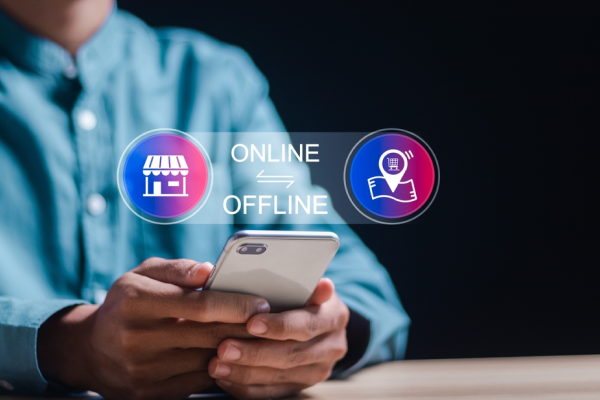


O2O (Online to Offline) marketing is a highly effective marketing strategy that has gained significant traction in the digital age. Thanks to O2O, consumers can discover products via social media, conduct research online, and then make purchases directly at physical stores or vice versa.
This strategy effectively bridges the gap between digital and physical shopping worlds. Let’s dive deeper into what O2O marketing is and how it works!
What is O2O Marketing?
O2O (Online to Offline) marketing is a strategy that integrates both online and offline channels to foster greater customer engagement, drive sales, and build brand loyalty. As the world becomes more omnichannel, consumers are no longer confined to a single shopping platform.
They expect seamless, fast, and personalized experiences, whether they are shopping online or in-store. O2O marketing meets this demand by providing a unified experience across multiple touchpoints, ensuring customers receive a consistent journey no matter where they interact with the brand.
Goals and Functions of O2O Marketing
The primary functions and goals of O2O marketing are designed to enhance both customer experience and business performance. Here’s a breakdown of what O2O marketing can achieve:
-
Strengthening Brand Image
Integrating online and offline channels allows businesses to expand their brand reach and build stronger connections with customers. For example, digital activities such as social media campaigns, online promotions, or virtual events can significantly enhance brand awareness and credibility. When customers encounter a brand consistently across both digital and physical platforms, it reinforces trust and loyalty, ultimately strengthening the overall brand image.
-
Reducing Logistics Costs
One of the key benefits of O2O marketing is cost efficiency. By implementing systems like click and collect (ordering online and picking up in-store), businesses can reduce shipping costs and optimize inventory management.
This strategy helps to leverage stock available at nearby locations, speeding up delivery times while also reducing operational costs. It not only increases logistical efficiency but also improves the overall customer experience by delivering quicker, more convenient service.
-
Better Meeting Customer Needs
O2O marketing allows businesses to cater to diverse customer preferences by providing flexible shopping options. While some customers may prefer to shop online, others still enjoy the in-store experience.
By offering a seamless transition between online and offline channels, businesses can meet the varying needs of different customer segments. This flexibility ensures that every customer can shop in a way that suits them best, whether it's through online convenience or an immersive in-store experience.
Benefits of Implementing O2O Marketing
Implementing an O2O marketing strategy offers numerous benefits for businesses looking to stay ahead in today’s competitive landscape. Here are some of the key advantages:
-
Expanded Market Reach
By combining online and offline strategies, businesses can reach customers in diverse locations. For example, a consumer who discovers a brand through social media can later experience the product in a nearby physical store, expanding the brand's market presence.
-
Competitive Edge
O2O marketing helps companies stand out in a crowded marketplace by offering an integrated and seamless experience. Brands that manage to create a fluid transition between online and offline touchpoints are more likely to outperform competitors who focus solely on one channel.
-
Higher Conversion Rates
When customers can see and interact with products in person, they’re more likely to convert. This is especially true in sectors like fashion and electronics, where tactile interaction plays a major role in the decision-making process.
-
Enhanced Customer Experience
O2O strategies enable businesses to personalize and enhance customer experience by integrating data across both online and offline touchpoints. This means customers can enjoy faster, more relevant, and tailored services, which increases satisfaction and loyalty.
-
Operational Efficiency
By utilizing O2O systems, businesses can streamline operations, monitor inventory, and track customer preferences across multiple channels. This data allows for smarter decision-making, more effective marketing campaigns, and better resource allocation.
Types of O2O Marketing Strategy Business Models
Several O2O strategies have gained traction among businesses looking to optimize their marketing efforts. Here are a few popular ones:
-
Click and Collect
This model allows customers to order products online and pick them up from a nearby store. Retailers like Best Buy and Walmart use this strategy to reduce shipping costs and speed up delivery times.
-
Online Reservation to Offline Experience
Restaurants, clinics, and even hotels often use this model. Customers can book their reservations online, but the experience (like dining or medical consultation) happens offline at the physical location.
-
Online Promo, Offline Purchase
In this model, businesses run online promotions or advertisements to drive foot traffic into physical stores. The customer is enticed by online discounts, but they make the actual purchase in person.
-
Offline Discovery, Online Purchase
This is a common scenario where customers first discover a product in-store, like trying on clothes or testing electronics, and then choose to purchase it online due to better deals, promotions, or convenience.
-
Loyalty & Membership Integration
Loyalty programs that combine online and offline purchases allow customers to accumulate points or rewards across both platforms. Brands like Starbucks and Amazon use this integration to provide a seamless and rewarding shopping experience.
Examples of O2O Marketing in Business
One of the most successful examples of O2O marketing implementation can be seen in the retail and F&B (food and beverage) sectors. Many restaurants now offer online ordering options, allowing customers to choose between dining in or opting for takeaway. Similarly, retail stores have effectively combined digital promotions with in-store shopping experiences, drawing customers both online and offline to boost sales and brand engagement.
Beyond these industries, the automotive and fashion sectors are also leveraging O2O strategies. For instance, customers can schedule a test drive online and then visit the showroom for an in-person vehicle trial. In the fashion industry, customers can place an online order for clothing and then visit a store to try different sizes and styles, creating a more flexible and personalized shopping experience.
Challenges in Implementing O2O Marketing
While O2O marketing offers numerous advantages, its implementation comes with a unique set of challenges. One of the most pressing challenges is maintaining consistent customer experience across all channels.
When customers transition from an online platform to an offline store or vice versa, they expect the same level of service and information. Without well-integrated data systems, the customer experience can become fragmented, leading to reduced satisfaction and lower conversion rates.
This is where advanced analytics technology, like Telco Big Data from Telkomsel Enterprise becomes indispensable. By providing accurate, real-time customer data analysis, Telco Big Data helps businesses gain a deep understanding of consumer behavior.
By analyzing key data points such as shopping preferences, visit locations, and digital interaction patterns, businesses can offer a more personalized, responsive, and consistent experience across all touchpoints. This integration ensures that customers enjoy a seamless journey, whether shopping online or in-store.
In addition to enhancing customer experience, Telco Big Data also helps businesses optimize marketing strategies, forecast demand, and improve operational efficiency across all business sectors. Leveraging Telco Big Data can be a game-changer in driving a successful O2O marketing strategy.
The role of O2O marketing in improving business performance is undeniable. Learn more about how O2O marketing can elevate your business in the Solution Day 2025 panel discussion. By adopting the right tools and strategies, businesses can thrive in an omnichannel world and create a superior experience for their customers.