




The modern customer journey no longer takes place on a single channel. Instead, it flows seamlessly from online browsing to in-store visits and mobile app interactions. This integrated approach is known as omnichannel commerce, a strategy that delivers a consistent, unified brand experience across all customer touchpoints. But behind this smooth user experience lies a complex logistics network, the true backbone of any successful omnichannel commerce solution.
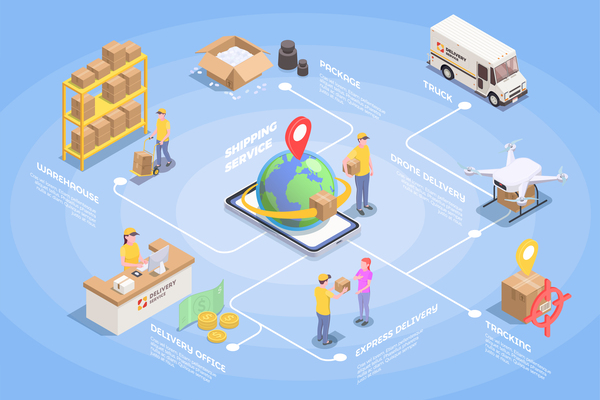
At the heart of this integrated experience lies a robust and agile logistics system, often unseen but absolutely critical to ensuring smooth operations across every customer interaction. Behind the scenes, complex supply chain networks work tirelessly to manage inventory, process orders, handle returns, and deliver products efficiently. Without a well-structured logistics strategy, even the most sophisticated omnichannel marketing campaigns can fail to deliver the promised customer experience.
Recent reports show that an increasing number of consumers now engage with multiple channels before making a purchase decision. While this shift opens new opportunities for engagement, it also introduces significant logistical challenges. For instance, unclear delivery timelines or inconsistent product availability can lead to order cancellations, missed expectations, and ultimately, a loss of trust.
This makes it clear, optimizing logistics is not just a back-end concern, but it’s a foundational element in building customer satisfaction and long-term brand loyalty within an omnichannel ecosystem. In the following sections, we’ll explore key strategies that can help businesses build a resilient and responsive logistics framework tailored for omnichannel commerce.
What is Omnichannel Commerce and Why Does Logistics Matter?
At its core, omnichannel commerce refers to a fully integrated approach that merges all customer-facing platforms, e-commerce websites, brick-and-mortar stores, mobile applications, social media, and more into one unified experience. Regardless of how or where a customer interacts with your brand, their journey should feel connected and uninterrupted.
But while marketing often takes the spotlight in omnichannel strategies, it’s the logistics engine behind the scenes that makes it all work.
In an omnichannel ecosystem, logistics is no longer just about shipping products. It’s about:
-
Managing real-time stock levels across multiple channels
-
Ensuring rapid and flexible fulfillment options
-
Handling returns effortlessly
-
Delivering orders with precision and transparency
A well-managed logistics system ensures that customers enjoy a consistent, reliable, and personalized shopping journey. Whether they’re browsing from a smartphone, placing an order on a website, or picking up their package in-store, logistics ensures that the process remains intuitive and hassle-free.
When logistics falter like say, due to out-of-stock items, delayed deliveries, or unclear return processes, it’s the customer who feels the impact first. And in an era where loyalty is fleeting, that can be costly.
Omnichannel Logistics Challenges That Impact Customer Satisfaction
While the potential benefits of omnichannel commerce are vast, managing logistics within such a dynamic environment presents several complexities:
-
Channel Coordination: Ensuring consistency across diverse sales platforms.
-
Inventory Management: Maintaining real-time visibility of stock levels across warehouses, retail locations, and third-party sellers.
-
Technology Integration: Deploying systems that unify data, automate workflows, and provide actionable insights.
These challenges have a direct impact on the customer experience. For example, if a customer places an order online only to later discover that the item is unavailable due to poor inventory tracking, frustration ensues. Similarly, inconsistencies in pricing, promotions, or product information across different channels can create confusion and diminish brand credibility.
To overcome these obstacles, companies must adopt a holistic logistics strategy, one that balances operational efficiency with exceptional service delivery. This involves investing in scalable technology, fostering collaboration between sales channels, and remaining adaptable to shifting consumer demands.

Building a High-Performance Omnichannel Logistics Strategy
Creating a successful omnichannel commerce solution requires more than just connecting sales channels, it demands a logistics framework built on visibility, agility, and customer-centricity. Below are the key components of an effective strategy:
1. Centralized, Real-Time Inventory Management
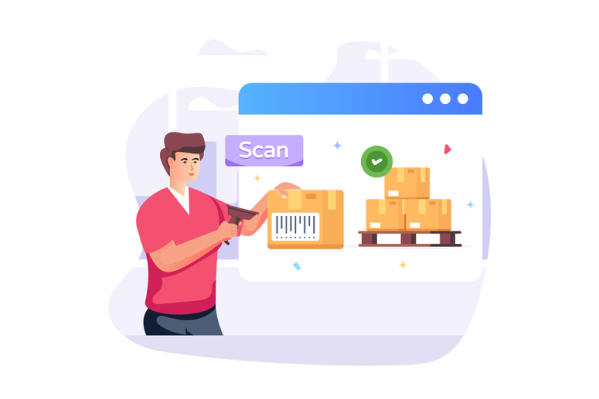
One of the most critical elements of omnichannel logistics is accurate inventory management. A centralized inventory system enables retailers to track product availability across all distribution points, in central warehouses, local stores, and partner fulfillment centers.
This level of visibility allows for real-time updates, prevents overselling, and empowers faster, data-driven decisions. Tools like Enterprise Resource Planning (ERP) systems and Radio Frequency Identification (RFID) tags ensure consistent, reliable data across all sales channels.
With a unified view of inventory, companies can better forecast demand, manage restocking cycles, and execute targeted promotional campaigns. Additionally, centralized systems reduce the risk of overstocking or stockouts, both of which can negatively affect customer satisfaction and operational costs.
2. Diversified Fulfillment Options for Speed & Convenience
Fulfillment speed and flexibility are major differentiators in omnichannel commerce. Customers increasingly expect fast, convenient options such as:
-
Same-day delivery
-
Click-and-collect (BOPIS – Buy Online, Pick Up In Store)
-
Scheduled deliveries
-
Ship-from-store capabilities
By offering multiple fulfillment choices, businesses can cater to varying customer preferences while simultaneously reducing delivery times and shipping costs. Route optimization software, predictive analytics, and AI-powered demand forecasting further enhance delivery efficiency, ensuring packages reach customers faster and fewer errors.
Moreover, integrating these services with customer-facing platforms improves transparency, allowing buyers to choose the most suitable delivery option based on time, location, and cost.
3. Smart Order Management Across Channels
A scalable order management system (OMS) is essential for handling the complexity of omnichannel transactions. The right OMS should:
-
Consolidate orders from multiple sales channels
-
Automate picking, packing, and shipping workflows
-
Enable real-time tracking for customers
Automation significantly reduces manual errors, speeds up processing times, and enhances scalability during peak seasons. Furthermore, integrating the OMS with logistics providers ensures seamless communication and smoother handoffs during delivery, improving overall efficiency and customer satisfaction.
4. Flexible and Transparent Return Policies
Returns play a crucial role in shaping the customer experience. A transparent and flexible return policy builds trust, reduces hesitation, and encourages purchases. Best practices include:
-
Allowing returns across any channel such as online, in-store, or via third-party partners
-
Providing pre-printed return labels and easy-to-follow instructions
-
Offering instant refunds or exchanges upon receipt of returned items
An integrated inventory system should automatically update stock levels when returned items are received, enabling quick re-shelving and resale. This not only improves inventory accuracy but also supports faster turnaround times for future orders.
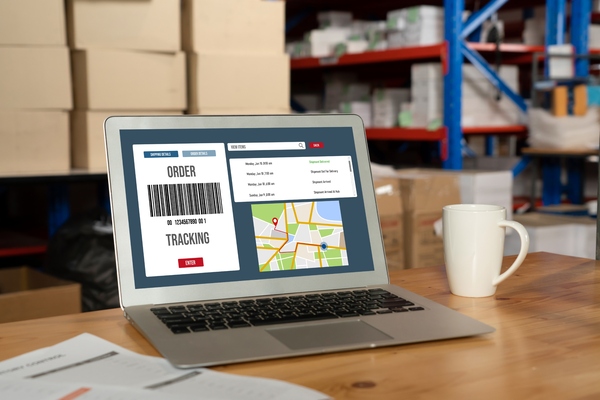
5. Real-Time Order and Delivery Tracking
Transparency is a cornerstone of modern customer service. Today’s shoppers want full visibility into their order status, from confirmation to final delivery. Real-time shipment tracking powered by GPS and IoT-enabled devices provides:
-
Proactive notifications about delivery status
-
Reduced customer anxiety regarding lost or delayed packages
-
Improved trust in the brand’s reliability
Integrating logistics partners’ APIs with internal systems ensures timely and accurate status updates throughout the entire delivery lifecycle. This level of insight allows businesses to anticipate issues, reroute deliveries if necessary, and communicate proactively with customers.
Conclusion
Implementing these logistics strategies doesn’t just streamline backend operations, it transforms the entire customer experience. By focusing on speed, accuracy, and transparency, businesses can foster deeper customer loyalty, encourage repeat purchases, and differentiate themselves in a competitive market.
As omnichannel commerce continues to evolve, leveraging technology and innovation becomes non-negotiable. That’s where solutions like Telkomsel Enterprise’s IoT Smart Manufacturing come into play. With features like Smart Manufacturing OEE, CMMS, and Smart Warehouse, this platform digitizes warehouse operations, improves inventory accuracy, and enables real-time monitoring of logistics activities.
If you're ready to elevate your omnichannel logistics strategy and achieve operational excellence, consider implementing these smart technologies today.
Contact us now to learn more about how Telkomsel Enterprise can support your omnichannel commerce transformation.