


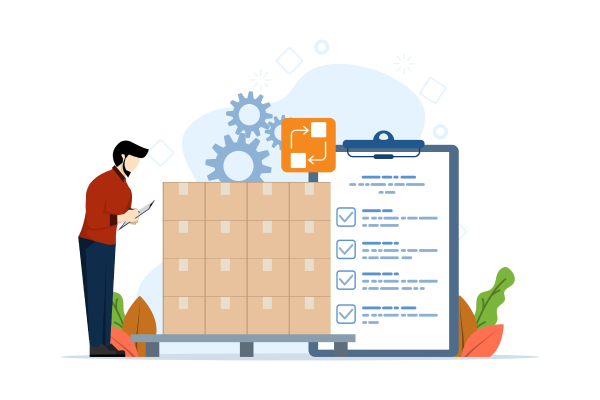


Let's picture this: Your best-selling product is out of stock, leaving frustrated customers empty-handed, while unsold items gather dust and expire on your shelves. It's a chaotic cycle that affects your profits and customer satisfaction.
But what if you could eliminate these problems and create a smooth, efficient inventory process that keeps your business running at its best? The key lies in a digital inventory management system. Let's explore how mastering inventory management can transform your operations, reduce waste, and drive growth.
What is Inventory Management?
Inventory management refers to the process of overseeing and controlling the supply of products within a business. This includes tracking stock levels, monitoring supply and demand, and ensuring that products are readily available when needed. Effective inventory management prevents overstocking, understocking, and operational inefficiencies that can lead to lost sales or unnecessary costs.
In today's fast-paced market, businesses employ various inventory management systems, from basic manual record-keeping to sophisticated digital solutions like Radio Frequency Identification (RFID) technology.
The Importance of Inventory Management for Your Business
Effective inventory management is crucial for businesses, and understanding its value can make a huge difference. Let's explore the key goals that inventory management strives to achieve:
1. Avoiding Missed Sales Opportunities
Imagine a customer walks into your store or visits your website looking to purchase a product, only to find that it's out of stock. Not only have you lost a sale, but you've also risked losing a customer to a competitor.
A robust inventory management system helps ensure that your products are always available, preventing these missed opportunities.
2. Better Cash Flow Management
Overstocking ties up valuable capital in unsold goods, while understocking can lead to lost sales. A well-managed inventory system keeps this balance in check, helping to maintain healthy cash flow by ensuring you're neither over-investing nor missing out on sales.
3. Accurate Data for Decision Making
Real-time, accurate inventory data is essential for making informed decisions. With a good inventory management system, businesses can analyze sales trends, forecast future demand, and make data-driven decisions on stock replenishment or reduction.
4. Enhancing Operational Efficiency
A streamlined inventory system reduces the manual labor involved in stock management. Automated tools improve the speed and accuracy of tracking inventory, making operations more efficient. This, in turn, leads to faster distribution and higher customer satisfaction.
5. Reducing Risks of Damage or Theft
Inventory systems allow businesses to monitor stock conditions in real-time. This helps to quickly identify and mitigate risks such as damaged or stolen items. By addressing issues promptly, businesses can save on potential losses.
6. Simplifying Reordering
An effective inventory system sends automatic alerts when stock levels are low, making reordering seamless and timely. This helps prevent running out of stock on popular items, ensuring you never miss out on potential sales.
7. Saving on Operational Costs
Proper inventory management reduces the need for excessive labor and eliminates errors in stock counting. In addition, improved storage practices lead to reduced warehousing costs and more efficient use of space.
Common Inventory Management Challenges
Even with a well-established system, businesses can still encounter issues with inventory management. Here are a few common problems that can be addressed with a more strategic approach:
1. Overstocking
Overstocking occurs when inventory levels exceed demand. This can lead to unnecessary storage costs and the risk of products becoming obsolete or expired. Inaccurate demand forecasting or poor purchasing strategies often cause overstocking, but with an efficient inventory management system, these issues can be easily avoided.
2. Stockouts
The opposite of overstocking, stockouts happen when popular products run out of stock. Stockouts can result from inaccurate inventory tracking, unexpected demand surges, or delays in restocking. These shortages can lead to disappointed customers and lost sales.
3. Product Damage or Expiration
Without an effective inventory management system, goods may remain unsold for too long and get damaged or expire. This is especially true for perishable items such as food, medicine, or cosmetics. A well-managed system ensures timely stock rotation and prevents such losses.
4. Inventory Recording Errors
Manual stock tracking is prone to human error. Sometimes, inventory records may indicate a product is available, while the physical stock is depleted. These discrepancies can cause serious issues when fulfilling orders or placing new stock orders.
5. High Storage Costs
When inventory is not properly managed, businesses may end up paying high storage costs for unnecessary or slow-moving products. Organizing inventory more effectively can reduce these costs and improve the overall profitability of the business.
Managing inventory doesn't have to be a daunting task. With digital inventory management systems, businesses can automate and streamline processes, reducing the likelihood of errors and improving overall efficiency.
One such solution is Field Force Management by Telkomsel Enterprise. This digital solution allows businesses to track stock levels in real-time, optimize field team workflows, and boost productivity, resulting in better customer satisfaction and higher profits.
With real-time insights and mobile accessibility, you can monitor stock levels, manage orders, and respond quickly to market demands, all from your fingertips.
Manual systems are error-prone, time-consuming, and inefficient. It’s time to upgrade to a smarter, more reliable inventory management system that gives you full visibility and control over your stock.
Contact us today to learn how Field Force Management can empower your business with cutting-edge inventory solutions.