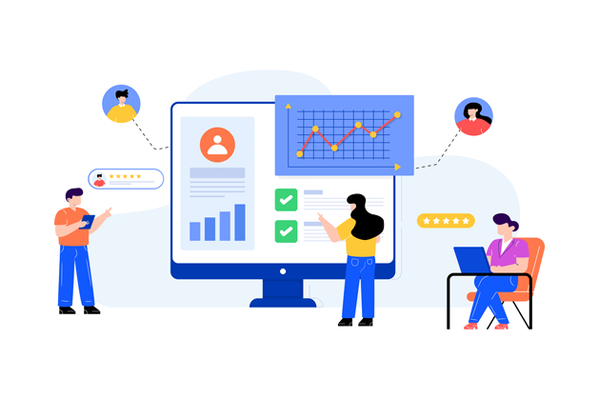






Many believe that digital business is easier and cheaper to run than traditional ventures. That may have been true during the early days of the internet, when competition was low and user expectations were still growing. But those days are over.
Today, running a digital business is more complex, competitive, and demanding than ever. To thrive, you need to understand not just the opportunities, but also the serious risks and challenges that come with going digital.
Let’s start from the basics, what is digital business, how does it differ from traditional business, and what hurdles do you need to prepare for?
What Is Digital Business and How Is It Different From Regular Business?
A digital business is a type of enterprise that integrates digital technology into its core operations. Unlike conventional businesses that rely on physical locations and face-to-face transactions, digital businesses operate in a virtual ecosystem, connecting with customers, teams, and partners through online platforms.
But it's not just about using tech tools. The shift to digital also requires a new mindset. Agility, speed, and innovation become key to survival. It's a continuous process of adapting, optimizing, and rethinking strategies to stay ahead in a fast-evolving digital landscape.
The Core Functions of Digital Business
Understanding the function of digital business helps you see why so many companies are transforming their models. Here’s what digital business makes possible:
1. Driving Business Productivity
Digital tools automate repetitive and manual tasks, like sales reporting, inventory management, and data entry, making workflows smoother and faster. With fewer human errors and faster processing, your team can focus more on strategy and growth.
2. Reducing Operational Costs
Ever felt like you're spending too much on promotional materials but seeing little results? Digital business strategy can help solve this problem. With the right digital marketing strategy, you can reach a wider target market without having to print brochures or place large-scale advertisements.
3. Boosting Collaboration and Team Communication
Smooth communication has always been a key to business success. Fortunately, today there are many tools that can keep teams working together, even when they're far apart.
Platforms like Google Workspace, Zoom, or Microsoft Teams allow you and your team to connect, discuss, and share documents in real time. Collaborating across divisions or even across countries is no longer a challenge.
4. Expanding Market Reach
One of the biggest advantages of digital business is its ability to reach customers globally. Through websites, apps, or social media platforms, your products are accessible 24/7, regardless of geography.
5. Enabling Smarter Business Decisions
Every transaction, interaction, or customer feedback can be collected and processed into valuable insights. With the help of analytics software, you can identify which products sell best, customers' favorite shopping times, and even potential future trends. This allows you to make more objective business decisions.
Major Advantages of Digital Business
What makes a digital business so appealing compared to traditional business models? Its strengths lie in several strategic advantages that are hard to find in conventional setups. Here are some of the most impactful:
1. Wider Market Reach
One of the most significant advantages of digital business is its ability to reach customers anytime, anywhere. You don’t need a physical store in every city to build national or even international visibility.
With the help of a website, social media, or online marketplaces, your products become globally accessible, 24/7 and without borders.
2. More Efficient Operational Costs
Running a digital business is often more cost-effective. You can manage your operations from home with a lean team yet still serve a large customer base. Funds that would typically be spent on rent, utilities, or storefront maintenance can instead be redirected toward product development, digital advertising, or tools that provide measurable impact.
3. Flexibility for Both Business Owners and Customers
Digital businesses never sleep. Your customers can shop at their convenience, day or night. And on your end, you gain flexibility in how and when you manage your business. You're not tied to traditional store hours, giving you greater control over your schedule and work-life balance.
4. Easily Scalable Based on Business Needs
Scaling a traditional business often requires major investment in new locations, additional staff, or increased inventory. But a digital business is far more agile. Whether you're adding new products, entering new markets, or increasing capacity, digital tools make growth seamless and less resource intensive.
5. Smarter Decisions Driven by Data
One of the greatest assets in digital business is data. Every click, view, and purchase provides valuable insights into customer behavior. With analytics tools, you can discover which products perform best, identify the most effective times to run promotions, and develop smarter pricing strategies. This data-driven approach allows you to stay competitive and customer-focused.
Popular Types of Digital Business
A digital business is far more than just selling physical products online. In today’s digital economy, there are several innovative and fast-growing business models that offer unique opportunities. Here are some of the most popular and powerful types of digital businesses:
1. E-Commerce
E-commerce is arguably the most recognizable face of digital business. This model allows you to sell physical products through digital platforms, whether it’s your own website, a marketplace like Tokopedia or Shopee, or even social media channels.
However, e-commerce goes beyond just online selling. It represents a full digital transformation of the retail experience. From automating transactions and generating real-time financial reports to implementing customer data-driven marketing strategies, e-commerce empowers retailers to operate 24/7, breaking free from the limits of location and store hours.
2. Chatbot
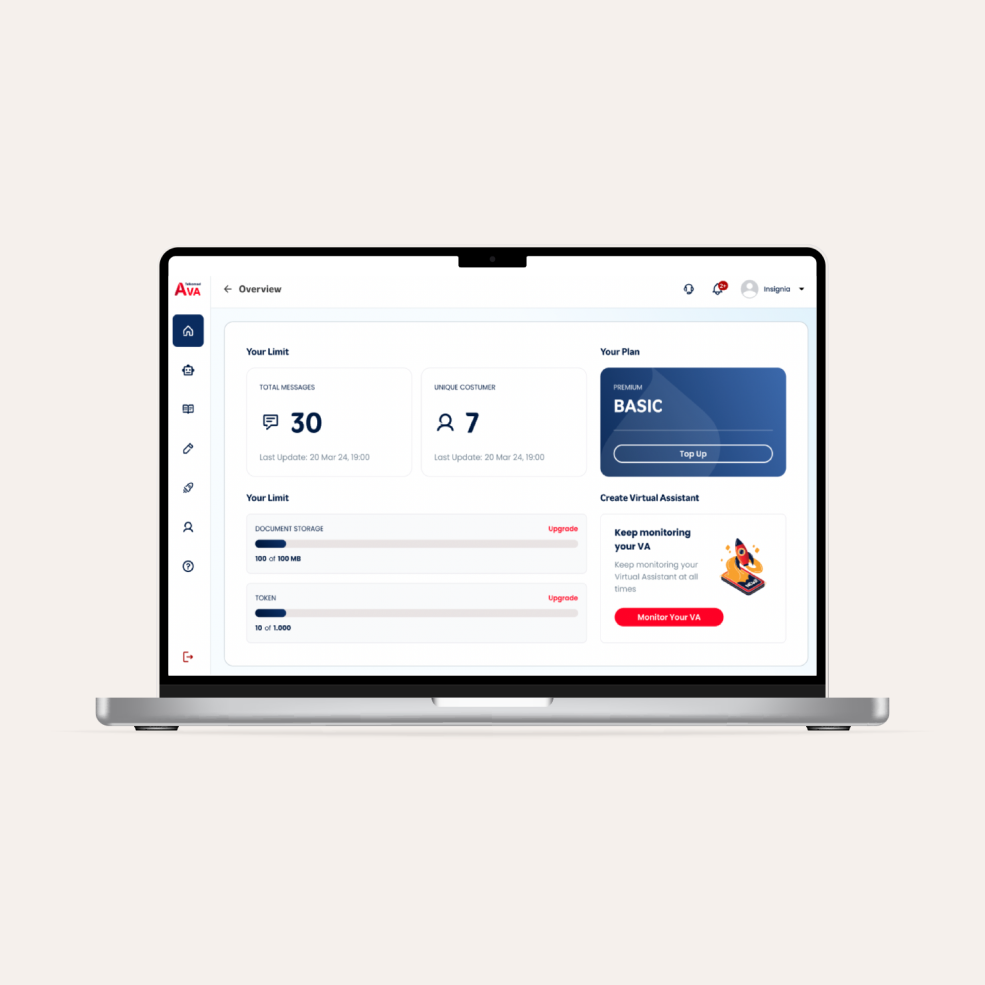
Ever messaged a brand online and got an instant, friendly reply? That’s a chatbot in action. Powered by AI, chatbots are now essential to digital businesses, especially those aiming to deliver quick, consistent customer service.
They can answer frequently asked questions, guide users through purchase journeys, and even handle complaints, all while reducing the need for a large customer support team. The cost savings are significant, and the response time is virtually instant.
Even more impressive, modern chatbots can go beyond basic interaction. They can be programmed to send promotional broadcasts, confirm orders, and collect feedback, all automatically.
3. Streaming Services
Gone are the days when people had to sit in front of a TV at a specific time to watch their favorite shows. Now, they can stream anything on-demand via apps. Streaming services are a booming form of digital business, relying on internet connectivity to deliver audio and video content to users.
Platforms like Netflix, Spotify, and local players like Vidio are some of the biggest names in this space. But you don’t need to be a tech giant to get involved. With the right niche, you can launch your own platform for online learning, paid webinars, or even podcast streaming. Subscription and membership models provide recurring revenue and business stability.
4. Digital Content Creation
If you're active on social media and love creating content, you're already sitting on a major digital business opportunity. The digital world offers endless space for content creators to monetize their skills and creativity through ads, sponsored content, affiliate marketing, or even fan donations.
Whether you’re into creating videos, writing blog articles, recording podcasts, or doing live streams, there’s room for you to grow. What matters most is your consistency and unique voice. Stand out, engage your audience, and your digital content can become a sustainable income stream.
Challenges in Digital Business You Need to Be Ready For
Running a digital business certainly comes with many advantages, flexibility, cost-efficiency, and scalability, to name a few. However, behind these benefits lie serious challenges that business owners must be fully prepared to tackle. Below are some of the most common yet critical obstacles in the digital business landscape:
1. Cybersecurity Threats
Not all attacks come from competitors. In many cases, threats originate from cybercriminals, hackers, malware, or ransomware. Cyberattacks like phishing, data breaches, or system hacks can lead to massive financial losses and severely damage your customer trust.
To mitigate these risks, businesses need a robust cybersecurity strategy. Regular system updates, firewalls, multi-layer authentication, and employee training are just a few essential steps.
2. Customer Data Leaks
Imagine if sensitive customer data, names, emails, or payment details, fell into the wrong hands. This isn’t just a reputational disaster; it could lead to legal consequences.
Secure data storage is a non-negotiable part of digital business. Make sure all personal data is encrypted, backed by secure systems, and never stored in vulnerable locations. The stronger your data protection, the more trust you earn from your customers.
3. Compliance with Data Protection Regulations
Data privacy laws are tightening across the globe. From Indonesia’s PDP Law to the EU’s GDPR, business owners must understand how to collect, process, and store user data responsibly.
Even small missteps in data handling can lead to hefty fines or lawsuits. That’s why understanding relevant regulations or consulting legal experts when needed is essential. Beyond compliance, this also shows your brand’s integrity and commitment to ethical business.
4. Adopting New Technologies
Technology evolves rapidly. But integrating new tools isn’t always as easy as it seems. It often requires investment in time, money, and training to ensure a smooth transition, without disrupting existing workflows.
To avoid wasting resources, adopt technologies gradually. Start by identifying which tools offer the most value for your business goals, involve your team in the transition process, and don’t chase every trend blindly.
5. High Implementation Costs
Although digital transformation can reduce long-term costs, the initial investment is often significant. From hardware and software purchases to hiring skilled personnel, the upfront expense can be daunting, especially for small businesses.
The key is prioritizing digital solutions that match your business scale. Plenty of free or affordable digital tools are available to help you get started. Always evaluate the ROI of any investment before committing.
6. Intensifying Digital Competition
The digital marketplace is crowded and growing every day. New competitors can appear from anywhere, bringing disruptive ideas, faster service, or better pricing. If your business lacks innovation, it risks getting lost in the noise.
Stay relevant by constantly listening to your audience, analyzing market trends, and updating your digital business strategy regularly. Innovation isn’t optional; it’s survival.
7. Price Wars and Value Positioning
Entering the digital market is relatively easy, which often triggers aggressive price wars. But competing solely on price can hurt your margins and reduce long-term sustainability.
Instead of joining the race to the bottom, focus on value. What makes your product or service stand out? How does it align with your customers’ needs and values? Position your pricing around the unique value proposition you bring, this is the art of digital business strategy.
Overcome Digital Business Challenges with the Right Solutions
Starting a digital business may seem full of promise but keeping it sustainable amidst today’s fierce challenges is a completely different story. Still, behind every challenge lies an opportunity, if you know which direction to take.
Thriving in the digital world requires more than just instinct. You need reliable insights, accurate data, and systems that can support your growth. That’s why having the right technology partner is no longer optional, it’s essential.
Through Solution Day 2025, Telkomsel Enterprise positions itself as a strategic partner ready to guide your business through digital transformation. With a suite of powerful tools, from data-driven digital marketing and advanced analytics services to robust cybersecurity solutions, you can make informed decisions with confidence.
Curious which solution fits your business best? Get in touch with the Telkomsel Enterprise team today and discover the digital business strategy that will move your business forward.