





Maximizing every stage of the customer journey is essential for improving customer retention and boosting business revenue.
Business discussions often revolve around products, marketing, or sales tactics. But there’s one vital component that’s frequently overlooked, one that can significantly influence long-term success. It’s the customer journey, a crucial part of delivering a truly satisfying customer experience.
Every touchpoint a customer has with your brand shapes their perception. Positive impressions build loyalty. Negative ones? They can stall growth and erode trust. A study by McKinsey & Company reveal that a consistent and positive customer journey experience improves key performance indicators, boosts trust, and fosters customer loyalty.
By understanding customer expectations and needs at each touchpoint, brands can create sharper marketing strategies, increase conversions, and ultimately improve their ROI. And with the right approach, every customer interaction becomes an opportunity to deliver excellence. Even Telkomsel emphasizes how critical customer journey optimization is in enhancing customer retention and loyalty.
But what exactly is the customer journey? How can businesses map it effectively? And most importantly, how do strategic tools like a customer satisfaction survey play a pivotal role in refining every touchpoint?
Let’s dive deep into the world of customer experience and uncover the insights, strategies and techniques that can transform your brand’s relationship with its audience.
What Is a Customer Journey?
You’ve probably heard the term customer journey tossed around when discussing customer interactions but what is it, really?
The customer journey is a complete roadmap of interactions a customer has with your brand, from the moment they first hear about you to the point where they become loyal advocates. It tracks how customers move through each stage, from awareness to purchase and beyond.
While every customer’s journey is unique, it generally follows these five key stages:
-
Awareness: The customer first becomes aware of your brand or product.
-
Consideration: They begin evaluating your offerings and comparing them with alternatives.
-
Decision: They decide to engage, sign up, or make a purchase.
-
Purchase: The actual buying process takes place.
-
Loyalty: The customer returns, repeats purchases, and may advocate for your brand.

Why is Mapping the Customer Journey Important?
Today’s consumers are empowered. With just a few clicks, they can access hundreds of options. That’s why understanding and mapping the customer journey is more important than ever, it allows businesses to offer maximum value at every step.
Here are three reasons why customer journey mapping is crucial:
1. Elevates the Customer Experience
When you map out every interaction, you gain clarity on where customers face obstacles or feel delighted. This insight enables you to refine processes, streamline navigation, and ensure every touchpoint adds value, leading to smoother, more satisfying experiences.
2. Identifies Critical Touchpoints
Not all interactions carry equal weight. Some moments like a confusing checkout page or a delayed customer service response can make or break a sale. By mapping the journey, you can pinpoint these high-impact touchpoints and prioritize improvements where they matter most.
3. Sharpens Marketing Strategy
Understanding the journey allows brands to target the right customers, at the right time, through the right channels. For instance, if analytics show that most leads come from social media, campaigns can be optimized for those platforms.
Strategies & Techniques to Optimize the Customer Journey
Optimizing the customer journey demands a holistic and data-driven approach. Below are proven techniques you can apply today to enhance the customer experience at every stage:
1. Identify Customer Personas
Start by understanding your ideal customer. Create detailed personas based on real data, customer feedback, and behavioral insights. This ensures your journey maps reflect real-world experiences, not assumptions.
2. Analyze Every Touchpoint
Every interaction be it a web visit, support call, or email is a chance to impress. Map out every touchpoint and highlight moments where customers decide whether to move forward or drop off.
3. Leverage Data & Analytics
Want real customer insights? Dive deep into your analytics. Behavioral data tells you where customers struggle or succeed, helping refine your strategy for maximum impact.
4. Personalize the Experience
Customers feel valued when communication feels tailored to them. Use tech and customer data to personalize your messaging, offers, and support, boosting engagement and loyalty.
5. Embrace Omnichannel Integration
Modern customers interact across devices and platforms. Ensure a seamless, consistent experience whether they’re on your app, website, or in-store.
6. Be Responsive
Speed matters. In the era of instant feedback and public reviews, slow responses can damage reputation. Monitor social media, live chats, and review platforms actively. Respond quickly to complaints, thank customers for praise, and use feedback to improve.
Effective Steps to Map the Customer Journey
Mapping a customer journey isn’t guesswork, but it’s a structured process. Follow these steps to build an accurate, actionable journey map:
1. Use the Right Tools
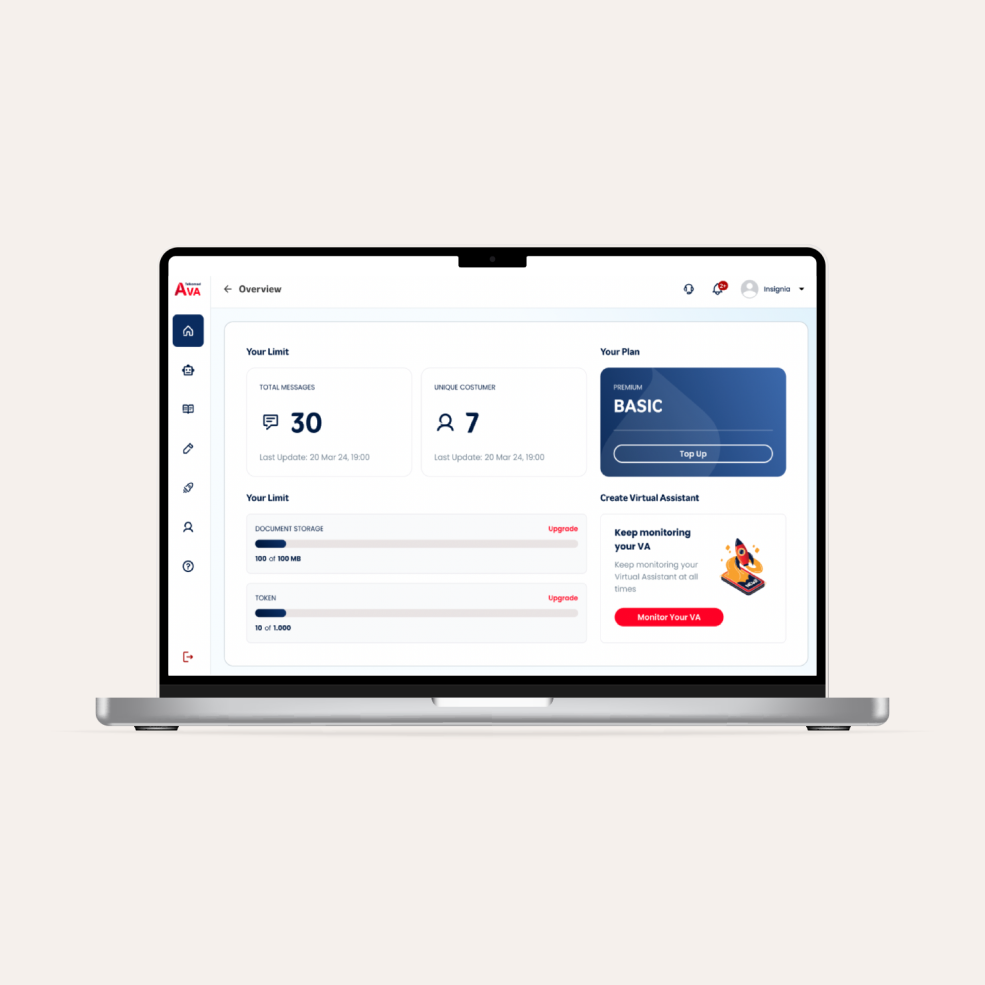
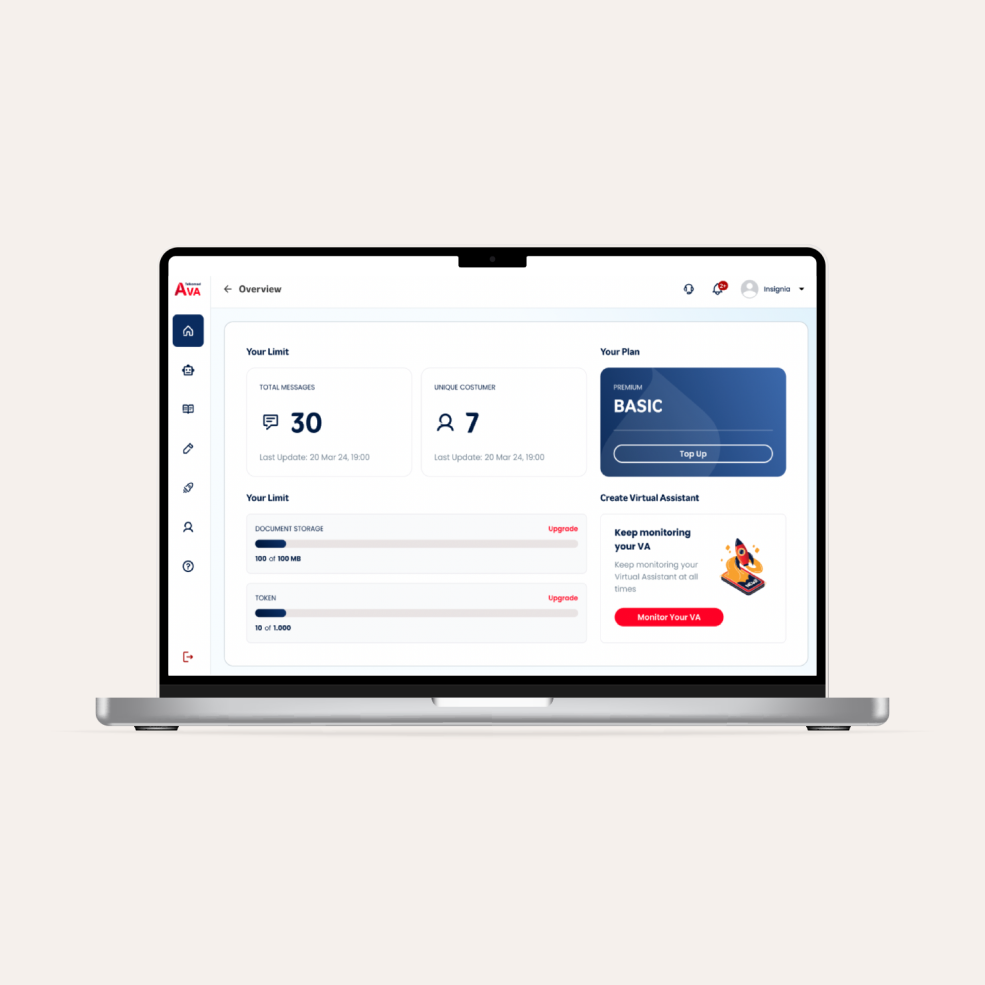
Technology makes journey mapping faster and more accurate. Platforms like Customer Engagement Platform (CEP) by Telkomsel Enterprise offer advanced visualization, real-time analytics, and integrated feedback systems. These tools help you track behavior, segment audiences, and simulate customer paths with precision
2. Involve Cross-Functional Teams
Journey mapping shouldn’t be siloed within marketing. Involve teams from sales, customer service, IT, product development, and finance. Each department offers unique insights into different stages of the journey, creating a holistic view.
3. Run Brainstorming Workshops
Bring stakeholders together for collaborative workshops. Use whiteboards, sticky notes, and journey mapping templates to visualize pain points, emotions, and opportunities. These sessions spark innovation and align teams around a shared vision.
4. Think Like Your Customer
Don’t just focus on what you want to say. Instead, ask: what does the customer feel at this stage? Conduct surveys, interviews, or shadowing exercises to truly step into their shoes.
5. Analyze Customer Data Regularly
The customer journey is dynamic. Review analytics often to identify changes in behavior, market shifts, and new friction points.
6. Test and Iterate
No map is perfect from the start. Run A/B tests, pilot new features, and measure impact. Use feedback loops to refine your approach. Continuous iteration ensures your journey stays relevant and effective.

4 Common Customer Journey Mapping Mistakes (And How to Fix Them)
Even the best brands can slip up when mapping the customer journey. Here are four common missteps and what you can do to avoid them:
1. Assuming You Know the Customer
Relying on internal assumptions without validation from data or customer feedback is a mistake.
Solution: Always conduct market research and analyze customer feedback to understand their needs, expectations, and pain points. Implement mechanisms to collect and analyze customer feedback regularly.
2. Treating Journey Mapping as a One-Time Task
Assuming that once your customer journey map is complete, that it doesn't need to be updated should also be avoided.
Solution: The customer journey is dynamic and can change over time. It's important to regularly review and update your mapping based on the latest data and market changes.
3. Focusing Only on Digital Touchpoints
Ignoring offline or non-digital interactions when mapping your customer journey can backfire.
Solution: Be sure to include all touchpoints, both online and offline, to get a complete picture of the customer journey.
4. Mapping Without Collaboration
Don't limit customer journey mapping to the responsibility of only the marketing team or a specific team.
Solution: Involve all teams, including sales, customer service, and technical departments to get a more comprehensive view.
Conclusion
Customer journey mapping isn’t just a theoretical exercise reserved for large corporations. It’s a practical, scalable strategy that any business, big or small can use to deepen customer relationships and drive sustainable growth.
By understanding what is customer satisfaction survey and integrating it into your journey strategy, you gain direct insight into customer emotions, expectations, and pain points. This knowledge empowers you to:
-
Improve customer experience, build stronger relationships.
-
Optimize marketing strategies, ensuring the right message is delivered at the right time.
-
Identify and improve critical touchpoints, increasing conversion and retention.
As customer expectations evolve, so must your journey mapping efforts. Integrate the process into your core operations and continue to refine it over time.
One game-changing solution to consider is Telkomsel Enterprise’s Customer Engagement Platform (CEP). It’s designed to help businesses map, understand, and enhance their customer journeys using real-time data and AI-powered insights.
CEP allows you to profile customers in detail, personalize campaigns at scale, monitor satisfaction via integrated tools like the customer satisfaction survey, and improve retention and understand behavioral patterns
With CEP’s cloud-based, SaaS-powered platform, your brand gains a competitive edge in building deeper connections with your audience.
Ready to transform your customer journey and skyrocket satisfaction? Try CEP from Telkomsel Enterprise today.
Contact us now to learn how we can help you build stronger, more profitable customer relationships, step by step, touchpoint by touchpoint.