




One solution to increase the speed of business platform access is to use direct peering.
Speed rules the digital world, users expect lightning-fast access, or they simply move on. Research shows that 53% of mobile users abandon a site if it takes more than three seconds to load. This highlights the critical role of business platform access speed in retaining users and ensuring smooth operation.
This stark reality puts business platform access speed front and center as a critical factor for keeping customers engaged and operations running smoothly. But slow access doesn’t just hurt customer satisfaction, it also drags down employee productivity.
When staff wait on delayed applications or data, work grinds to a halt. That’s where direct peering comes into play, a networking solution designed to reduce latency and accelerate data transfer between systems.
Let’s explore why business platform access speed matters, what direct peering is, and how it can transform your digital infrastructure.
Why Business Platform Access Speed Matters
Imagine two companies exchanging large volumes of data regularly. Without direct peering, their data travels through several intermediaries, each adding potential bottlenecks and delays.
1. Higher Productivity Across Teams
In business, time is money. Slow platforms mean wasted time. Employees waiting for applications to load or data to sync lose valuable minutes every day.
With faster access, teams can work more efficiently, especially when relying on cloud-based tools, real-time collaboration apps, and data analytics platforms. Imagine reducing idle time during critical tasks like processing orders, generating reports, or accessing shared databases, all made possible by optimizing business platform access speed.
2. Better Customer Experience
A slow platform can drive users away. Your customers expect seamless interactions. From e-commerce to online services, customers expect instant interactions.
Whether it's live chat, customer support, or real-time video, a platform that responds quickly keeps users satisfied and loyal. High-speed access ensures real-time engagement without lag or buffering.
Businesses with faster platforms gain trust, loyalty, and customer experience. The faster your platform performs, the better customer retention.
3. Competitive Advantage
Speed differentiates you from your competitors. Companies known for high-performance platforms stand out as reliable and innovative. Fast response times allow quicker decision-making, agile product launches, and faster time-to-market, all crucial to staying ahead.
When your team works faster and your platform responds instantly, you’re not just improving technology, but you're building a competitive edge.
4. Drives Revenue Growth
E-commerce sites, SaaS platforms, and online services rely heavily on speed. A faster checkout process leads to higher conversion rates. Faster dashboards mean better insights and decisions. Ultimately, improved business platform access speed translates to increased sales and customer lifetime value.
In short, speed equals money and slowing down means leaving revenue on the table.
What Is Direct Peering?
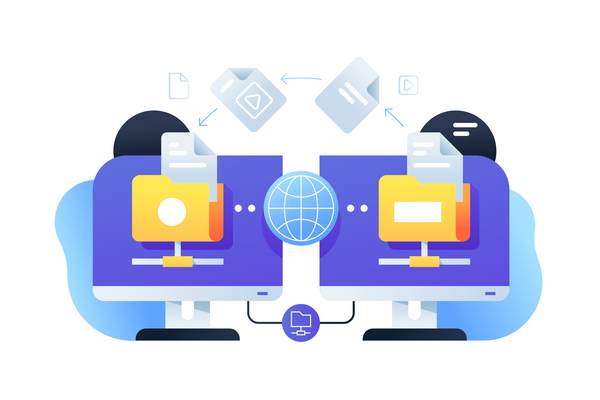
Direct peering is a method of interconnecting two networks directly without relying on an intermediary, such as a traditional Internet Service Provider (ISP). This direct connection shortens the data route, which significantly boosts business platform access speed by reducing latency and improving data flow.
Imagine Company A and Company B exchanging data frequently. Without direct peering, this data would pass through several external networks, potentially slowing it down. With direct peering, the two networks connect directly, allowing for faster, more secure communication.
Benefits of Direct Peering for Business
1. Lower Latency
By eliminating middleman networks, direct peering drastically cuts down the time it takes for data to travel between systems. Lower latency means faster application responses, smoother transactions, and improved system performance.
2. Better User Experience
Fast, stable connections mean fewer disruptions. Whether it’s a customer accessing your e-commerce site or an employee working on a SaaS platform, direct peering helps ensure a smoother experience.
3. Faster Application Access
For businesses using cloud-based tools, milliseconds matter. Direct peering enhances performance for critical applications, from CRM to real-time analytics platforms, helping teams work more efficiently.
4. Enhanced Security
Direct network connections reduce the number of points where data might be intercepted or compromised. Direct peering enables tighter security controls and better monitoring—key benefits for companies handling sensitive information.
Conclusion
In a world where milliseconds matter, direct peering is more than just a technical upgrade, but it’s a strategic advantage. By enhancing business platform access speed, companies can improve productivity, elevate customer experiences, and boost profitability.
Telkomsel Enterprise offers a robust Direct Peering solution designed to provide ultra-fast, low-latency connectivity for mission-critical business platforms. With features like direct server bypass and guaranteed uptime (SLA 99.5%), our solution ensures secure, stable, and lightning-fast access.
Ready to take your business platform performance to the next level? Contact Telkomsel Enterprise today to learn more and start optimizing your digital infrastructure.