



Reaching a wide audience is just the starting point in business marketing. In a digital landscape flooded with generic promotions, messages that feel personal and thoughtful resonate far more with potential buyers. This is precisely why a broadcast message has become one of the most powerful tools for modern businesses.
The challenge lies in harnessing its potential: how can you maximize a broadcast message strategy to remain competitive in today’s fast-paced market?
Understanding What Is Broadcast Message
Before diving into strategies, it’s essential to understand exactly what a broadcast message is.
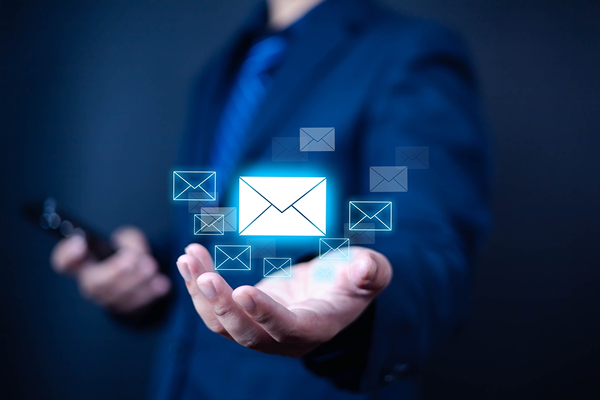
A broadcast message is, at its core, a message sent to multiple recipients simultaneously while still appearing personal on each recipient’s device. This ensures your customers feel like they’re receiving a direct, one-on-one message from your business, even though it’s part of a mass distribution.
Historically, broadcast messages were primarily sent via SMS. Today, businesses enjoy a vast range of options, from WhatsApp and email to sophisticated CRM platforms.
Despite seeming simple, a broadcast message carries immense potential when executed strategically. Why? Because people tend to open messages faster than they scroll through their crowded social media feeds.
Goals of a Broadcast Message
Every communication strategy should have a clear purpose, and the same goes for broadcast messages. Sending messages without direction can easily backfire, leading your recipients to mark them as spam. Here are the main objectives businesses use broadcast messages for:
1. Delivering Information Quickly
Broadcast messages are perfect for conveying urgent updates efficiently, such as operational changes, limited-time promotions, or new product launches. Instead of hoping your audience notices a social media update, you can deliver the information directly to their personal device.
2. Boosting Sales
The most common use of a broadcast message is driving sales. Businesses often use them to announce discounts, product bundles, or exclusive promotions for specific customers.
However, caution is needed: overloading customers with promotions can lead to fatigue. Sometimes a single relevant message is far more effective than ten messages that feel pushy.
3. Enhancing Customer Engagement
Broadcast messages aren’t just sales tools, but they’re relationship-building tools. Use them to share product tips, send thank-you messages after purchases, or remind customers about routine services. Small gestures like these can significantly strengthen loyalty over time.
4. Collecting Customer Feedback
Want insight into how your customers perceive your products? Broadcast messages can be used for short surveys or review requests. Feedback not only informs your strategy but also makes customers feel heard and valued.
Advantages of Using the Broadcast Message Feature for Business
When applied strategically, broadcast messages deliver tangible benefits:
1. Time and Effort Savings
Sending messages individually is inefficient. Broadcast messaging enables you to reach hundreds or thousands of customers in a single send, allowing marketing teams to focus on more strategic initiatives, like creative content development.
2. Cost-Effective Promotion
Compared to expensive paid ads, broadcast messages are economical. Small and medium businesses can maintain consistent communication with customers without straining their budgets.
3. Personalized Messaging
Mass sending does not mean robotic output. You can dynamically insert customer names, tailor content to past purchases, or serve niche promotions. The result is a customized experience that feels handcrafted.
4. Higher Response Rates
Direct messages to customers’ devices are more likely to be seen and acted upon than social media posts. Proper timing and relevant content dramatically increase engagement potential.
5. Long-Term Relationship Building
Strong customer relationships don’t happen overnight, they’re built through consistent, meaningful communication. A well-crafted broadcast message allows your business to remain present in customers’ minds without constant hard selling.
Types of Broadcast Message
Broadcast messaging extends far beyond just WhatsApp. Here are the most common types used in business today:
1. WhatsApp Broadcast
This is the most popular type, especially in markets like Indonesia. WhatsApp enables sending messages to multiple contacts simultaneously while keeping them personal. Perfect for transaction notifications, daily promos, or service reminders, WhatsApp broadcasts boast high open rates, but overuse can annoy customers.
2. Email Broadcast
For longer, content-rich messages, email is ideal. It allows inclusion of images, articles, or product catalogs. Common uses include newsletters, educational content, and product updates. Email also provides analytics for tracking opens and clicks.
3. SMS Broadcast
Though classic, SMS remains effective, especially in areas with unreliable internet. Typically used for critical notifications like verification codes, payment reminders, or urgent alerts, SMS enjoys high visibility as it appears directly on the screen.
4. CRM-Based Broadcast
Larger businesses with extensive customer databases often use CRM platforms for broadcast messaging. Messages can be automated based on customer behavior, such as sending relevant promotions to repeat buyers. This targeted approach ensures messages feel thoughtful rather than random.
Risks to Watch Out For
While broadcast messages are convenient, they carry risks if not used strategically. Mismanagement can damage customer relationships, often without the business realizing it. Key risks include:
1. Messages Being Marked as Spam
Sending messages too frequently is a common mistake. Instead of attracting attention, excessive messages frustrate customers, potentially leading them to block your business. Rebuilding trust afterward is challenging.
2. Low Response Rates
Irrelevant content gets ignored. Recipients might glance, dismiss, and forget. Even stellar products fail when paired with generic, impersonal copy. Without clear segmentation, your audience assumes the message was never meant for them.
3. Damaging Brand Reputation
Overly aggressive messaging can make your business seem pushy and sales-focused, undermining confidence in your brand. Quality matters more than quantity in broadcast messaging.
How to Create an Effective Broadcast Message
A strategic approach is key. Here’s how to make your broadcast messages impactful:
1. Set Clear Objectives
Before typing a single word, ask yourself: What is this note meant to achieve? Inform? Convert? Remind? Without direction, copy becomes confusing. Purpose-driven messaging drives immediate comprehension and action.
2. Understand Your Audience
Not all customers have the same needs. Segment your audience to tailor messages, educational content for new customers, and exclusive offers for loyal ones.
3. Use Clear and Concise Language
Keep messages brief and to the point. People often read messages in short bursts during busy schedules, so clarity maximizes comprehension.
4. Include a Strong Call to Action (CTA)
Every outreach needs a clear next step. When reviewing an example of a broadcast message, notice how top performers always pair compelling copy with a direct directive. Examples include:
“Tap here to unlock today’s exclusive offer.”
“Reply directly to secure your reservation.”
Interest means nothing without direction. A compelling CTA bridges curiosity and conversion.
5. Optimize Timing
Never underestimate the timing. Hitting inboxes during peak work hours guarantees burial under notifications. Conversely, sending during relaxed windows dramatically increases visibility. Study your audience’s habits and align dispatch schedules accordingly.
6. Evaluate Regularly
Monitor engagement, responses, and sales impact. If results are low, the issue may lie in messaging style rather than product or service quality.
Telkomsel DigiAds: Precision Targeting for Modern Outreach
Customers today ignore constant generic promotions. To capture attention, messages must feel relevant and personal. This is where strategy and data come in before searching for an example of a broadcast message.
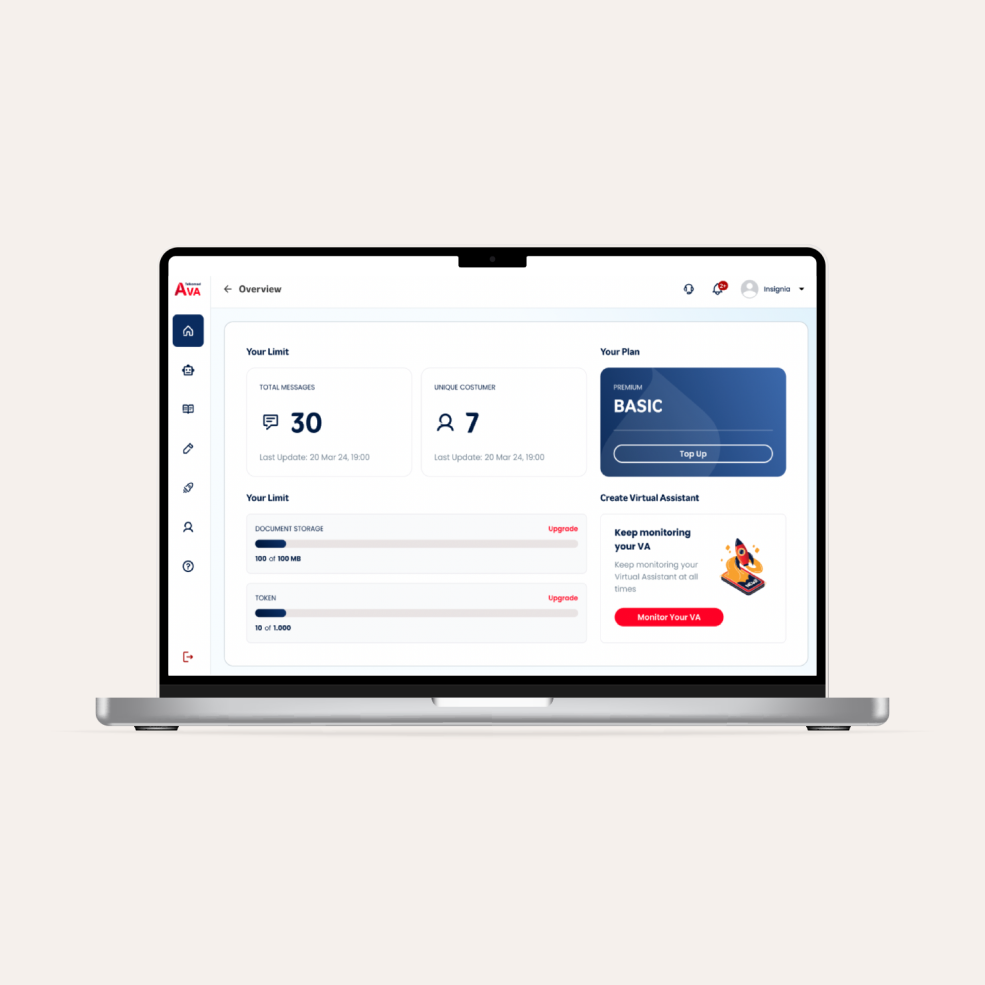
Telkomsel Enterprise’s DigiAds enables businesses to send broadcast messages with precision. Leveraging data insights and audience targeting, companies can understand customer behavior and craft messages that truly resonate. API support allows cross-channel insights, while diverse ad formats make communication engaging rather than repetitive. The integrated dashboard simplifies campaign monitoring for efficiency and impact.
Additionally, DigiAds offers diverse ad formats that break monotony and capture attention creatively. The integrated analytics dashboard provides real-time campaign tracking, empowering teams to optimize performance effortlessly and scale their messaging initiatives with unwavering confidence.