





Omnichannel isn’t just a passing trend, but it’s a transformative strategy that empowers businesses to elevate customer experience by seamlessly connecting both online and offline channels. This customer-first approach isn’t just about presence across platforms, it’s about providing a unified, consistent, and smooth experience at every interaction point.
One perfect example of why an omnichannel strategy matters? The sudden shutdown of TikTok Shop in Indonesia. Thousands of online sellers were left scrambling as their primary sales channel disappeared overnight.
If only these businesses had adopted a multi-channel strategy from the beginning, the impact could’ve been significantly minimized. This is where the power of omnichannel comes in, it helps unify the customer experience across every touchpoint, from e-commerce and mobile apps to physical stores and customer service platforms.
Harvard Business Review study involving 46,000 shoppers revealed that omnichannel customers spend 4% more per shopping occasion in-store and 10% more online compared to single-channel customers.
Moreover, the global pandemic accelerated digital adoption in sectors like retail, banking, and food services. As a result, modern consumers now expect consistency, convenience, and personalized interactions, no matter the channel.
Take Gojek as a real-world success story. By integrating services like ride-hailing, food delivery, and financial services into one seamless platform, they’ve built a powerful omnichannel ecosystem that delivers a unified customer experience.
So, what makes omnichannel marketing so vital in today’s competitive landscape? And how can businesses of any size leverage it to boost growth and customer retention? Let’s dive deeper.
What is Omnichannel?
Omnichannel is a customer engagement strategy that integrates all communication and sales channels into a unified system. The goal is to ensure customers enjoy a consistent and frictionless experience, regardless of the channel they choose to use, whether it’s mobile, website, physical stores, or social media.
Before we go further, it’s important to clarify the difference between omnichannel and other frequently misused terms:
-
Omnichannel: As explained, this is the integration of all communication channels to provide a consistent experience to customers.
-
Multichannel: This approach involves using multiple channels to interact with customers, but each channel operates independently and may not be well integrated.
-
Cross-channel: This is an approach where a business attempts to integrate multiple channels, but focuses primarily on specific channels deemed most effective.
The unique strength of omnichannel lies in its total integration and its commitment to creating a single, consistent experience across all platforms.
Real-World Example of Omnichannel in Business
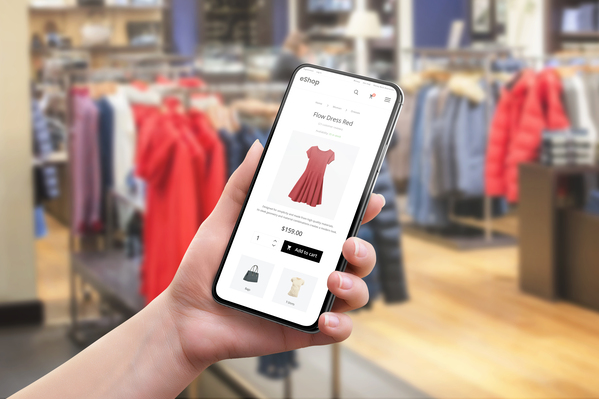
Picture this: a fashion brand with a physical store, e-commerce site, and mobile app. A customer uses the app to check if a dress is available in-store. They reserve it online, walk into the shop, try it on, and decide to buy. But instead of paying at the counter, they complete the purchase through the app, earning loyalty points instantly.
Later, they receive a personalized email with matching accessories, based on their purchase history. A week after, a chatbot on Instagram DMs them a thank-you note and a discount for their next visit.
Every touchpoint is connected. Every interaction feels personal. That’s omnichannel marketing in motion.
And the result? Higher satisfaction. Stronger loyalty. Increased average order value. All because the brand treated the customer as a whole person, not a series of disconnected transactions.
The History and Evolution of Omnichannel
The concept of omnichannel didn’t appear overnight but it’s the result of years of adaptation, driven by technological innovation and ever-changing consumer behavior. As customer expectations evolved, so did marketing strategies, shifting from a single channel to a more integrated, customer-centric approach.
In the early days, most businesses focused on just one channel, typically a physical store or catalog-based sales. With the rise of the internet and the birth of e-commerce, businesses began expanding their reach through digital channels. This marked the beginning of the multichannel era, where companies operated across several platforms, but each functioned in silos with little to no integration.
As the number of platforms and communication channels grew, forward-thinking businesses started to see the value of connecting these touchpoints. This shift sparked the emergence of omnichannel marketing, where every channel works in harmony to create a seamless customer journey.
Consumer behavior played a major role in this transformation. Today’s buyers are more informed, more connected, and far more demanding. They expect convenience, speed, and consistency in every interaction, whether they’re shopping in-store, browsing on mobile, or reaching out via social media. That’s why businesses that adopt a well-integrated omnichannel strategy gain a competitive edge in today’s market.
In fact, studies show that Millennials and Gen Z consumers are particularly drawn to brands that offer a smooth, personalized, and connected omnichannel shopping experience. This underscores how crucial it is for businesses to not only understand what omnichannel marketing is, but also to recognize the benefits of implementing it as part of their long-term strategy.
Why is Omnichannel Important?
Customers today are more empowered than ever. They expect to shop anywhere, anytime, and on their terms. Meeting these expectations requires businesses to step up and omnichannel is the key.
Here’s why omnichannel marketing is crucial for modern businesses:
-
Enhanced Customer Experience: Omnichannel allows customers to switch channels effortlessly while still receiving consistent service and messaging. It creates a more engaging, intuitive journey for every user.
-
Improved Customer Retention and Loyalty: A seamless experience builds trust. When customers feel understood and appreciated, they’re more likely to return and to recommend the brand to others.
-
Optimized Business Operations: Integrating all channels means businesses can gather centralized customer data, enabling smarter, data-driven decisions that improve service delivery and product offerings.
-
Boosted Sales and Growth: As research shows, omnichannel customers spend more. The ease of interaction and personalized approach encourages higher conversion rates and long-term loyalty.
Key Components of an Effective Omnichannel Strategy
To fully understand what omnichannel really means, it’s important to explore the essential components that make this strategy work. These core elements form the foundation of a truly connected and consistent customer experience across all touchpoints.
1. Sales Channels (Online and Offline)
This includes everything from physical retail stores to e-commerce websites, mobile apps, and other digital sales platforms. The key goal here is to ensure that customers receive a unified experience across every channel, whether they’re shopping in-store, online, or on a mobile device.
2. Social Media Platforms
Social media has become a powerful marketing and customer engagement tool. In an omnichannel approach, businesses leverage platforms like Instagram, Facebook, TikTok, and others not only to promote products but also to interact with customers and provide real-time, consistent service.
3. Mobile Applications
Mobile apps allow businesses to connect with customers anytime, anywhere. With features like personalized notifications, product recommendations, and easy checkout, mobile apps play a vital role in increasing customer engagement and loyalty in an omnichannel ecosystem.
4. Customer Service Channels
Customer support now spans across multiple platforms, chatbots, email, call centers, live chat, and even social DMs. With omnichannel integration, all these service points are connected, ensuring customers get fast, consistent, and helpful support, no matter how they choose to reach out.
By integrating these components seamlessly, businesses can deliver a smooth and consistent communication flow across all channels. This not only improves the overall customer experience, but also strengthens trust and encourages long-term customer loyalty.
What are the Benefits of Omnichannel Implementation for Business?
Implementing omnichannel marketing can be complex, but the payoff is huge. Here are the top benefits businesses can expect:
Integrated Customer Data
A unified system helps businesses collect valuable insights from multiple sources. This leads to a deeper understanding of customer behavior and preferences.
Targeted Promotions and Personalization
With rich data, you can deliver tailored campaigns, offers, and messages that resonate more effectively with your audience.
Increased Engagement and Satisfaction
When customers feel valued and understood, they are more likely to engage with a brand and become more loyal.
With these various benefits, omnichannel isn't just about providing multiple channels for customers. It's also about leveraging data and technology to deliver a more personalized and relevant customer experience.
Conclusion
Omnichannel isn’t just a marketing strategy, but it’s a business philosophy. When executed correctly, it not only boosts customer satisfaction but also fosters lasting relationships that drive long-term business success.
By eliminating common customer pain points, like inconsistent information across platforms or frustrating checkout processes, omnichannel empowers businesses to stand out in a crowded digital marketplace.
For companies looking to remain competitive in the digital era, adopting omnichannel is no longer optional, it’s essential.
Take your business strategy to the next level with CPaaS (Communication Platform as a Service) from Telkomsel Enterprise is your gateway to seamless, secure, and scalable omnichannel communication.
CPaaS supports full Omnichannel integration, ensuring secure data management through local Cloud Data Centers in Indonesia. With seamless platform connectivity, businesses can provide a unified experience across every channel.
Experience next-level communication and digital growth with CPaaS Omnichannel. Get in touch today and start your digital journey with us.