




In modern operational environments, industries that rely heavily on the storage and distribution of fuel understand that data accuracy is a pivotal factor. Any miscalculation in tank volume measurement can have a direct impact on operational efficiency, cost control, and even safety risks.
To overcome these challenges, companies need a reliable and fully integrated monitoring system. One of the most trusted technologies used across fuel-dependent industries today is the automatic tank gauge (ATG).
What Is an Automatic Tank Gauge?
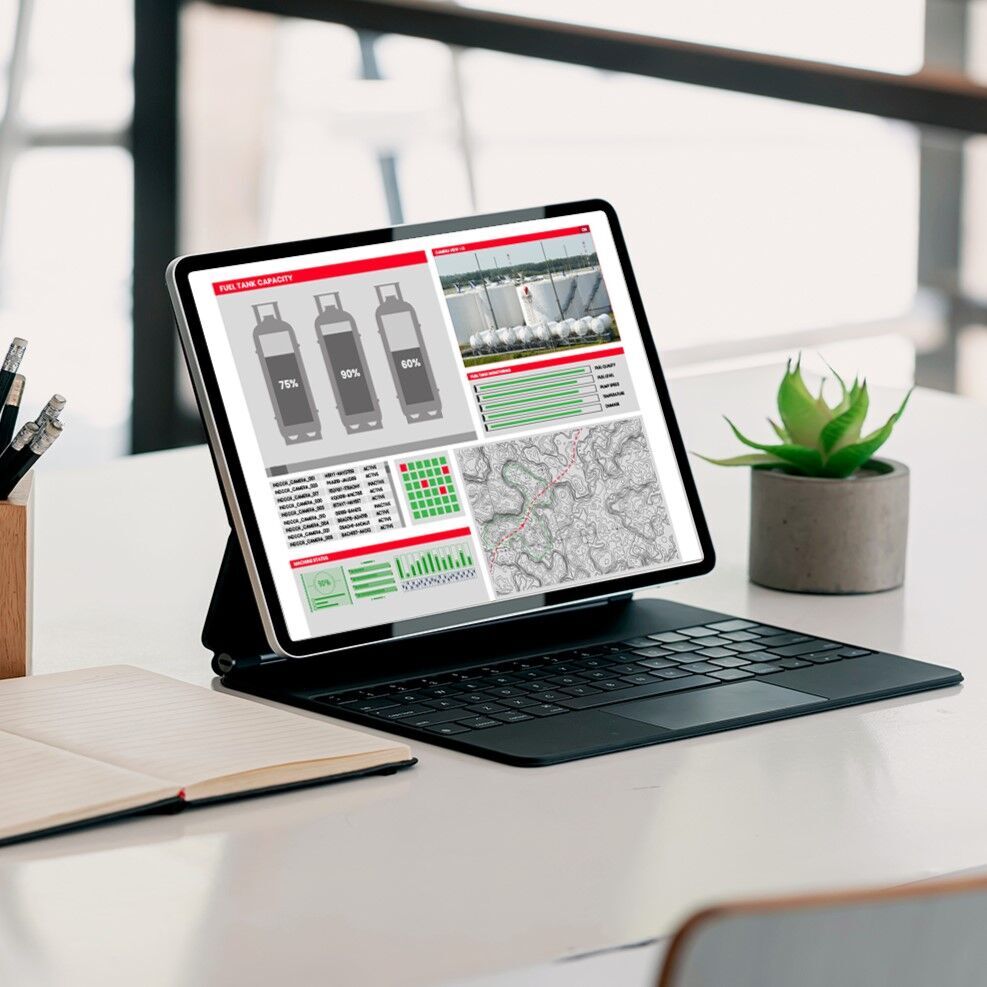
An automatic tank gauge (ATG) is an automated measurement system designed to monitor tank contents, specifically fuel tanks, with high accuracy and continuity. This system is engineered to provide real-time information regarding fuel volume, liquid levels, temperature, and even potential leaks within the tank.
The automatic tank gauge is extensively used across various sectors, including industry, energy, logistics, transportation, and fuel storage facilities that demand high levels of precision and security.
Unlike manual measurement methods that rely on physical dipsticks and periodic recording, an ATG operates automatically using digital sensors and an integrated data processing system. This makes the ATG a modern solution that supports transparency, efficiency, and reliability in managing fuel tanks and other industrial liquids.
Role and How an Automatic Tank Gauge Works
The primary role of an automatic tank gauge is to ensure tank conditions are monitored accurately and consistently without relying on manual intervention. In other words, the ATG functions as both a control tool and an information system that helps companies understand the actual condition of their tanks at any given moment.
The automatic tank gauge also supports integration with other systems, such as fuel management systems or Enterprise Resource Planning (ERP) platforms. This integration allows data from the tank to be used as a basis for more accurate operational and strategic decision-making.
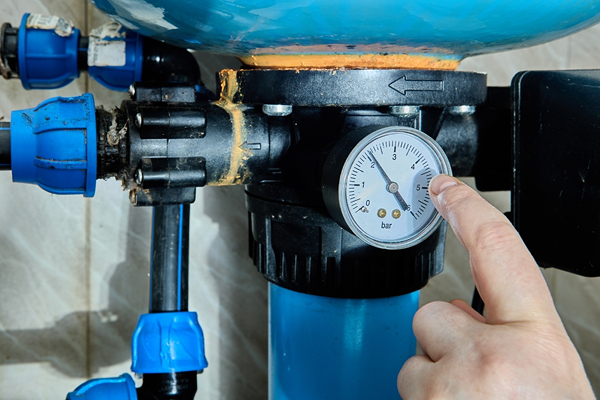
Furthermore, the process of how an automatic tank gauge works begins with sensors installed inside or on specific parts of the tank. These sensors function to measure critical parameters such as liquid height, volume, temperature, and density.
The data obtained is then transmitted to a data processing unit or central system via wired or wireless networks. Subsequently, the system processes this data into easily understandable information through a dashboard or digital reports.
Benefits of Using an Automatic Tank Gauge
Implementing an automatic tank gauge offers substantial advantages for companies managing large volumes of fuel or industrial liquids. Below are the key benefits:
-
Accuracy in Tank Measurement
The digital sensor system on an automatic tank gauge is capable of providing precise data on volume and liquid height, thereby minimizing the risk of measurement errors often found in manual methods. This accuracy is vital for ensuring consistency between physical stock and company administrative data.
-
Improved Operational Efficiency
With automatic and real-time monitoring, companies no longer need to perform manual tank checks that consume time and labor. The operational process becomes more efficient because data is available directly within the system. This allows your company to allocate human resources to more strategic activities.
-
Enhanced Transparency and Inventory Control
Data recorded automatically and continuously makes it easier for your company to conduct audits, track usage, and plan fuel procurement. This transparency also helps reduce the risk of fuel misuse or loss.
-
Early Leak Detection and Anomaly Alerts
One of the most valuable capabilities of an automatic tank gauge is its early detection system. By identifying irregular tank behavior, such as unexplained volume drops, businesses can act quickly before small issues escalate into environmental hazards, financial losses, or safety incidents.
-
Data-Driven Decision Making
Historical and real-time data generated by an ATG system allows management teams to analyze fuel consumption patterns. These insights support smarter forecasting, optimized procurement strategies, and improved cost control.
In an era where operational efficiency, transparency, and accuracy define competitive advantage, the automatic tank gauge has become an essential component of modern fuel management systems. With real-time data visibility and high-precision monitoring, your business can minimize risks, optimize fuel distribution, and maintain full control over every liter stored.
To support these evolving needs, Telkomsel Enterprise offers integrated ATG installation solutions within its Fuel Management System (FMS). Designed to be flexible and scalable, this solution adapts to your operational scale and digital ecosystem complexity.
Supported by real-time monitoring systems and comprehensive data analysis, the FMS solution helps you make decisions faster, more accurately, and more strategically, while simultaneously improving operational efficiency and security.
It is time to switch to more integrated fuel management. Contact Telkomsel Enterprise now and discover how the automatic tank gauge and Fuel Management System solutions can build a management system that is more accurate, safe, and controlled.