




Healthy cash flow is one of the strongest indicators of a financially stable business. Unfortunately, maintaining steady cash flow is not only about generating more sales. Businesses also need to ensure that every invoice is paid on time and properly collected.
Many businesses appear busy, productive, and profitable on the surface, yet still struggle with unstable finances because too many payments arrive late. This situation often creates operational bottlenecks, delays business expansion, and disrupts overall financial planning. That is exactly where a payment reminder system becomes essential.
What Is the Payment Reminder Feature?
A payment reminder is a notification sent to customers to remind them about unpaid invoices or upcoming payment deadlines. These reminders can be delivered before the due date, on the exact payment date, or after the payment becomes overdue.
For businesses managing recurring billing or installment payments, reminders play a critical role in preventing missed transactions and maintaining predictable revenue flow. Still, understanding what is a payment reminder goes beyond simply collecting payments. A professionally designed reminder system also serves as a communication tool that keeps transactions organized, transparent, and easier for customers to manage.
How Automated Payment Reminder Systems Work
After understanding the basic function of a payment reminder, many businesses start wondering how the system actually works. Does it require a complicated setup? Is it difficult to manage daily?
The good news is that an automated payment reminder system is relatively simple to use, especially when it is already integrated with your company’s accounting or financial platform. The system works automatically by using invoice data and payment schedules that have been set in advance.
Once everything is configured, the reminders run on their own without requiring manual follow-ups every day. Businesses can automatically send notifications before the due date, on the payment date itself, or even after the invoice becomes overdue. This helps reduce manual work while keeping billing communication consistent and professional.
Payment Reminder Examples in the Financial Industry
The financial industry is one of the sectors that relies heavily on automated billing systems. Since businesses in this industry handle large volumes of transactions every day, using a payment reminder software solution helps them maintain smooth cash flow and reduce late payments.
Below are some common payment reminder example implementations across different financial businesses.
1. Banks and Credit Card Services
Banks are among the most frequent users of payment reminder systems. Every month, customers usually receive reminders before their credit card bills reach the due date.
These messages often contain simple but important information, such as the total bill amount, payment deadline, and payment instructions. Some reminders also include direct payment links, making it easier for customers to complete transactions immediately.
2. Leasing Companies
Leasing companies typically manage thousands of customers with different installment schedules every month. Without a proper system in place, administrative teams can easily become overwhelmed trying to manually remind customers about upcoming payments.
To solve this issue, leasing companies usually schedule reminders several days before the due date. The notifications commonly include installment amounts, payment dates, and available payment methods to help customers pay on time.
3. Fintech and Digital Lending Companies
Fintech companies tend to adopt technology faster than traditional financial institutions. Instead of relying only on SMS or email reminders, many fintech businesses integrate their payment reminder systems directly into their mobile applications.
Some fintech companies also use chatbots and AI-powered virtual assistants to send interactive reminders. This approach makes communication feel more personal and engaging rather than sounding like a generic automated message.
4. Subscription Service Companies
Subscription-based businesses such as internet providers, software companies, and digital streaming platforms also depend heavily on payment reminders.
Customers usually receive notifications before their subscription period ends. Without reminders, users may forget to make payments, causing their services to stop automatically. Besides affecting customer experience, delayed payments can also reduce recurring revenue for the company.
Common Mistakes When Sending Payment Reminders
Although sending reminders may sound simple, many businesses still make small mistakes that reduce their effectiveness. In some cases, poorly written reminders can even cause customers to ignore the message completely.
Here are several common mistakes businesses should avoid
1. Using Language That Sounds Too Harsh or Aggressive
A payment reminder should never feel intimidating or threatening. Using overly aggressive language can damage customer relationships and create unnecessary tension.
A polite, professional, and informative approach usually works much better. The goal of a payment reminder is not only to collect payments but also to maintain smooth communication and encourage timely transactions without conflict.
2. Sending Incomplete Information
Imagine receiving a reminder without an invoice number, bill amount, or payment deadline. That would only confuse customers.
Incomplete messages slow down the payment process because customers need to search for additional information themselves. Clear and complete reminders make payments easier and faster.
3. Sending Reminders Inconsistently
When reminders are sent randomly or irregularly, customers may not take them seriously. As a result, payment delays become more common.
Consistency is one of the most important factors in building customer payment habits. Regular reminders help customers become more disciplined about paying on time.
4. Not Using Automation Technology
Many businesses still rely on manual reminders, even though the process is time-consuming and prone to human error.
Today, automated payment reminder software is much easier to implement than before. Delaying the adoption of automation technology can eventually increase operational costs and reduce efficiency in the long run.
Maximize Payment Reminder Systems for Healthier Cash Flow
The real strength of a payment reminder system lies in its ability to maintain stable cash flow while also preserving positive customer relationships. When reminders are delivered professionally, customers are more likely to respond positively without feeling pressured.
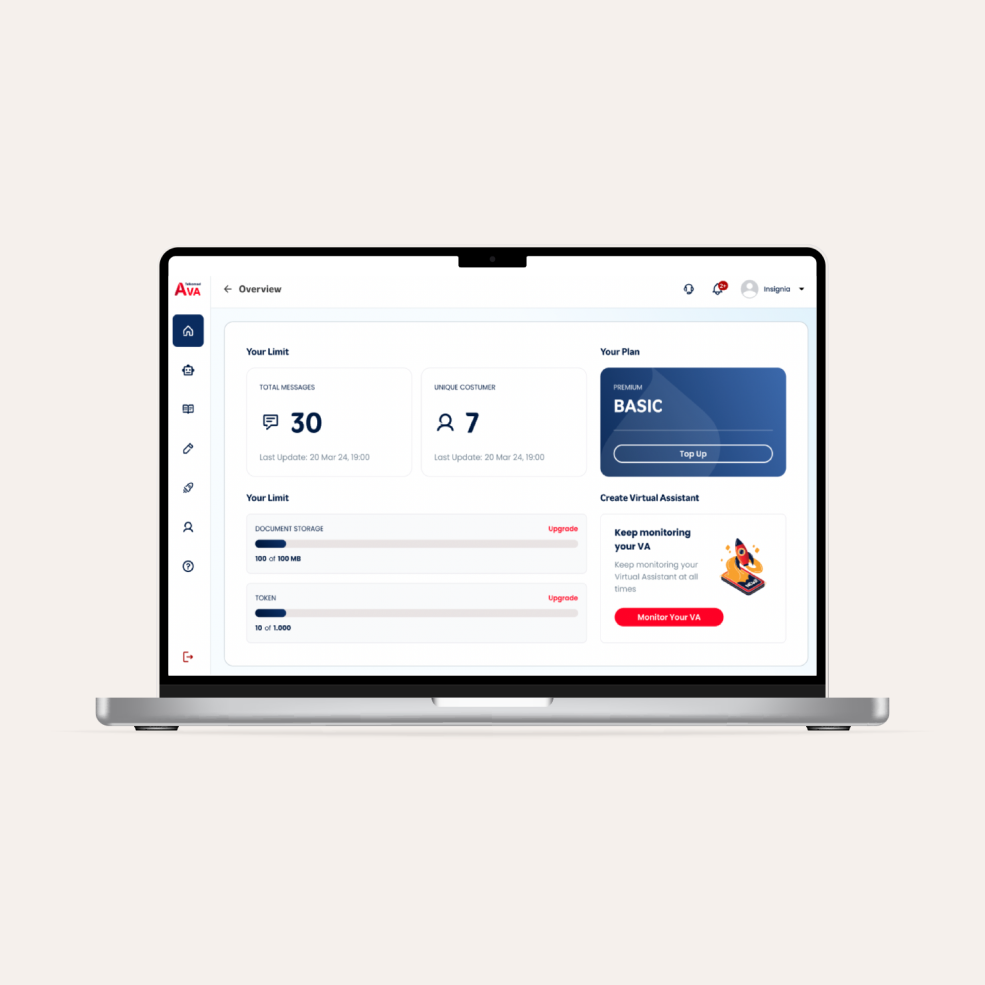
Businesses can further improve this process by using advanced solutions such as CPaaS solution and SAVIA from Telkomsel Enterprise, AI-powered voice technology. As a Smart AI Voice Interactive Assistant, SAVIA helps businesses handle repetitive outbound calls quickly and naturally, reducing the workload for internal teams.
The ability to manage large volumes of calls simultaneously without lowering service quality also makes billing communication feel more professional and efficient. Combined with customizable GenAI technology, real-time monitoring, and analytics features, businesses can evaluate reminder performance more effectively and optimize their collection strategy whenever needed.