





Modern consumers demand lightning-fast, seamless, and relentlessly responsive support. They evaluate your brand not just on product quality, but on how swiftly you answer inquiries, resolve complaints, and deliver solutions precisely when needed. Delayed responses quickly erode trust, leaving customers feeling overlooked and directly impacting your satisfaction metrics.
That’s why forward-thinking companies are rapidly adopting an automated calling system to build a more streamlined, predictable, and highly efficient communication workflow. This technology intelligently handles incoming traffic, accelerates response times, and guarantees every caller receives consistent, high-quality support. But exactly how transformative can an automated calling system be when it comes to boosting customer loyalty and optimizing daily operations?
What Is an Automated Calling System (ACD)?
Automatic Call Distribution (ACD) is a system designed to receive incoming phone calls and automatically route them to the most appropriate agent or department. While the process may seem simple, this technology plays an important role in reducing customer wait times and ensuring callers are connected with the right representatives.
In modern businesses, ACD is often integrated into a larger automated calling system ecosystem. The system can connect with customer databases, CRM platforms, and automated phone call services to create faster, more organized, and more efficient communication workflows.
Features and How Automatic Call Distribution (ACD) Works
At first glance, Automatic Call Distribution may seem like a highly technical system. However, the workflow is actually straightforward and designed to simplify customer communication processes.
1. Receiving and Identifying Incoming Calls
When a customer places a call, the ACD system immediately receives and identifies the incoming request. The system can recognize basic customer information such as phone numbers, account details, or previous interaction history.
Customers are usually greeted with an automated menu connected to an automated calling service. Through this menu, callers can choose the type of assistance they need, such as technical support, billing inquiries, or product information.
This early identification process helps businesses direct calls more efficiently while reducing unnecessary transfers between departments.
2. Managing Call Queues Efficiently
If all agents are currently occupied, the system does not simply disconnect the call. Instead, ACD places customers into a structured waiting queue.
More advanced systems can also prioritize calls based on several important factors, including waiting duration, urgency level, customer category, service type, or VIP customer status. This intelligent queue management helps businesses maintain smoother communication operations while minimizing customer frustration caused by excessive waiting times.
3. Routing Calls to the Right Agent
Once an agent becomes available, the system automatically connects the customer to the most suitable representative. This process allows businesses to provide faster and more personalized assistance without requiring customers to repeat the same information multiple times.
Call routing decisions are typically based on criteria such as:
-
Agent expertise
-
Customer language preferences
-
Type of issue being discussed
-
Previous customer interactions
-
Department specialization
4. Recording and Analyzing Call Data
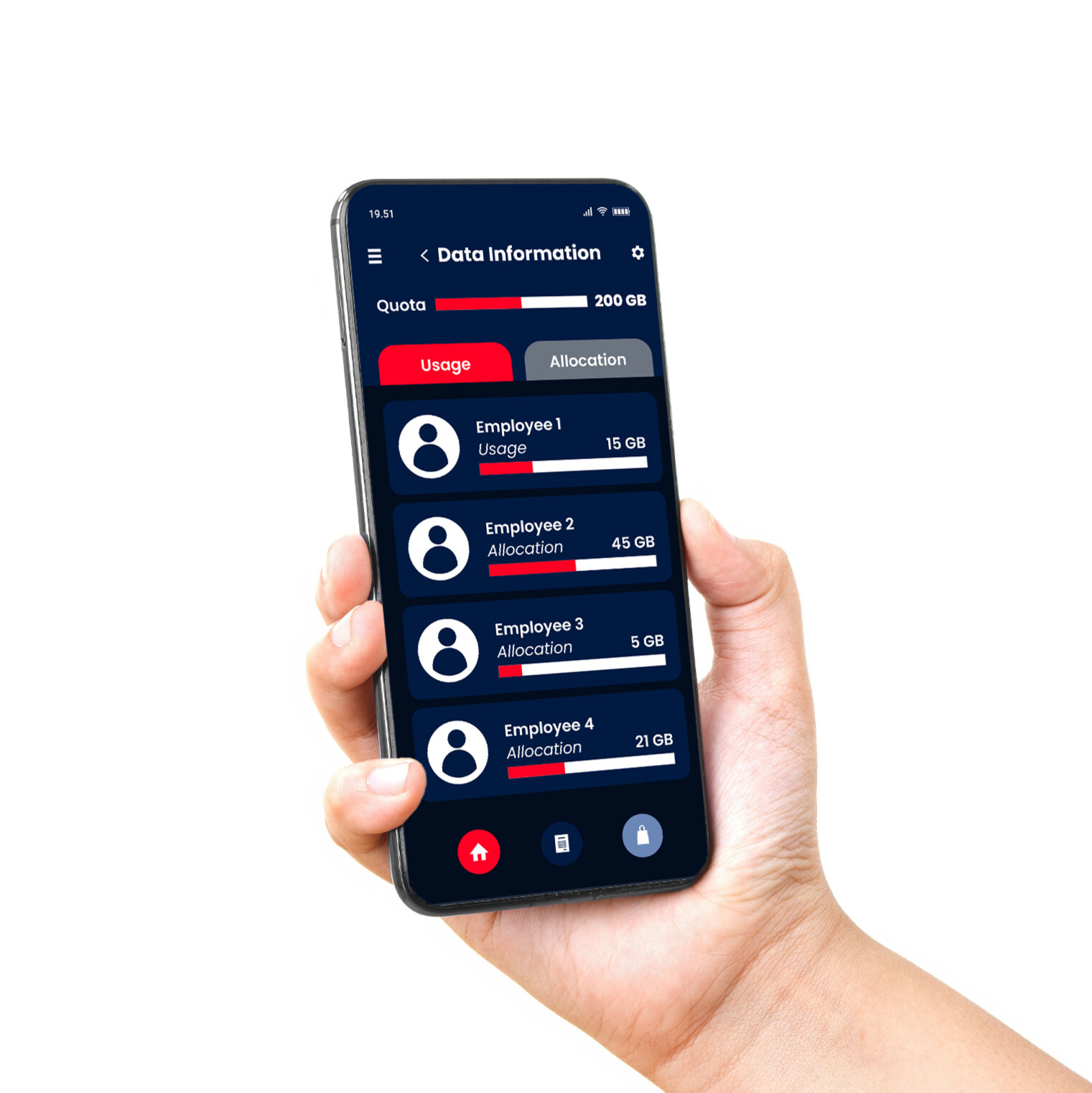
After every interaction, the system automatically stores valuable call data, including call duration, waiting times, call outcomes, customer interaction history, or agent performance metrics
This information becomes highly valuable for evaluating customer service quality and identifying recurring customer concerns. Businesses can use these insights to improve workflows, optimize staffing schedules, and enhance service strategies.
Benefits of Automated Calling Distribution (ACD) for Business Operations
Businesses implementing ACD within an automated calling system can experience significant operational and customer service improvements. Below are some of the most impactful advantages companies can gain.
1. Reducing Customer Waiting Times
One of the biggest causes of customer dissatisfaction is being placed on hold for too long without clarity.
With ACD, calls are automatically directed to available agents more efficiently. This shortens waiting times and creates a smoother, more professional customer experience. Faster response times also help businesses improve customer trust and retention.
2. Improving Team Productivity and Efficiency
Without automated call distribution, workloads often become uneven. Some agents may feel overwhelmed with continuous calls, while others remain underutilized.
ACD helps distribute incoming calls more fairly according to agent availability, expertise, and workload capacity. This creates a more balanced work environment and improves operational productivity across teams.
3. Delivering More Consistent Customer Experiences
Customers do not always expect complicated service systems. Most simply want fast, reliable, and consistent support.
By combining automated phone call technology with intelligent call distribution, businesses can provide smoother customer interactions without forcing callers to repeatedly explain their issues. This consistency plays an important role in strengthening customer loyalty.
4. Supporting Data-Driven Decision Making
Many companies collect large amounts of customer data but struggle to use it effectively. ACD transforms call data into actionable insights that businesses can easily analyze.
Managers can use these insights to make strategic decisions, such as adding more agents during peak hours, improving service workflows, identifying recurring customer complaints, enhancing training programs, or increasing operational efficiency
These insights make ACD not only a communication tool, but also a valuable business intelligence asset.
Difference Between Automatic Call Distribution (ACD) and Interactive Voice Response (IVR)
ACD and IVR are often mentioned together because both technologies work closely within customer communication systems. However, they serve different purposes.
Interactive Voice Response (IVR) is the voice menu system customers interact with directly. For example, prompts such as “Press 1 for customer service” are part of IVR functionality.
Meanwhile, ACD works behind the scenes after the customer selects an option in the IVR menu. The ACD system determines which agent, or department should receive the call based on predefined routing rules.
In short, IVR interacts with customers, and ACD distributes calls internally. Both technologies complement each other within a complete automated calling system infrastructure.
AI and Technology Solutions for Smarter Customer Service and Higher Customer Satisfaction
Automatic Call Distribution (ACD) has evolved far beyond simply routing incoming calls. Today, with the support of AI technology, modern systems can understand customer intent, deliver faster responses, and even predict customer needs more accurately.
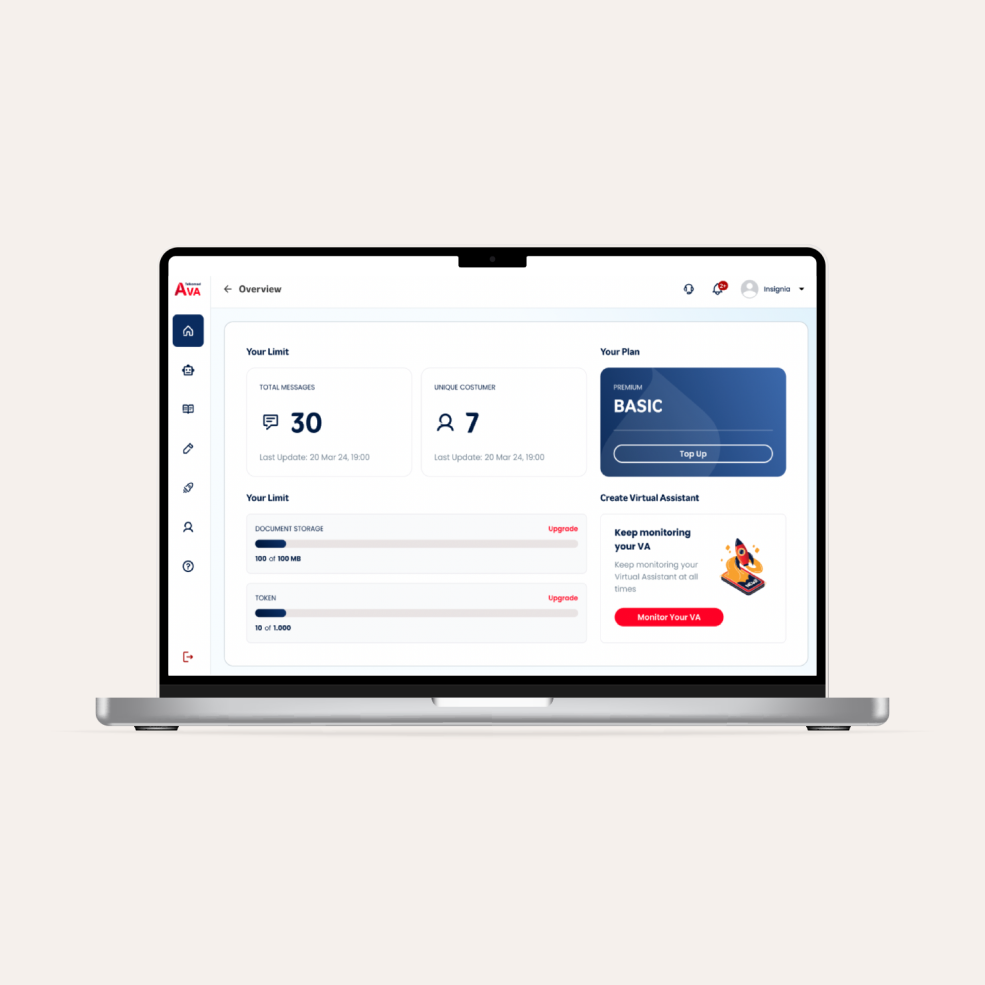
By integrating CPaaS and SAVIA solutions from Telkomsel Enterprise, businesses can transform their automated calling system into a smarter and more efficient communication platform. SAVIA, a GenAI-powered virtual assistant, is designed to automate routine interactions such as telemarketing, billing notifications, payment reminders, and customer inquiries with responses that feel natural and human-like.
This advanced technology also enables businesses to handle thousands of calls simultaneously without compromising service quality. Beyond speed, SAVIA continuously learns from every interaction. The system can understand conversation context, analyze customer sentiment, and provide increasingly accurate responses over time.
With real-time analytics, businesses can monitor customer behavior patterns, evaluate service performance, and make more strategic decisions based on actionable insights. Combined with flexible API integration, companies can seamlessly connect call centers, CRM platforms, and other communication channels into one unified ecosystem that supports better operational efficiency and improved customer experiences.