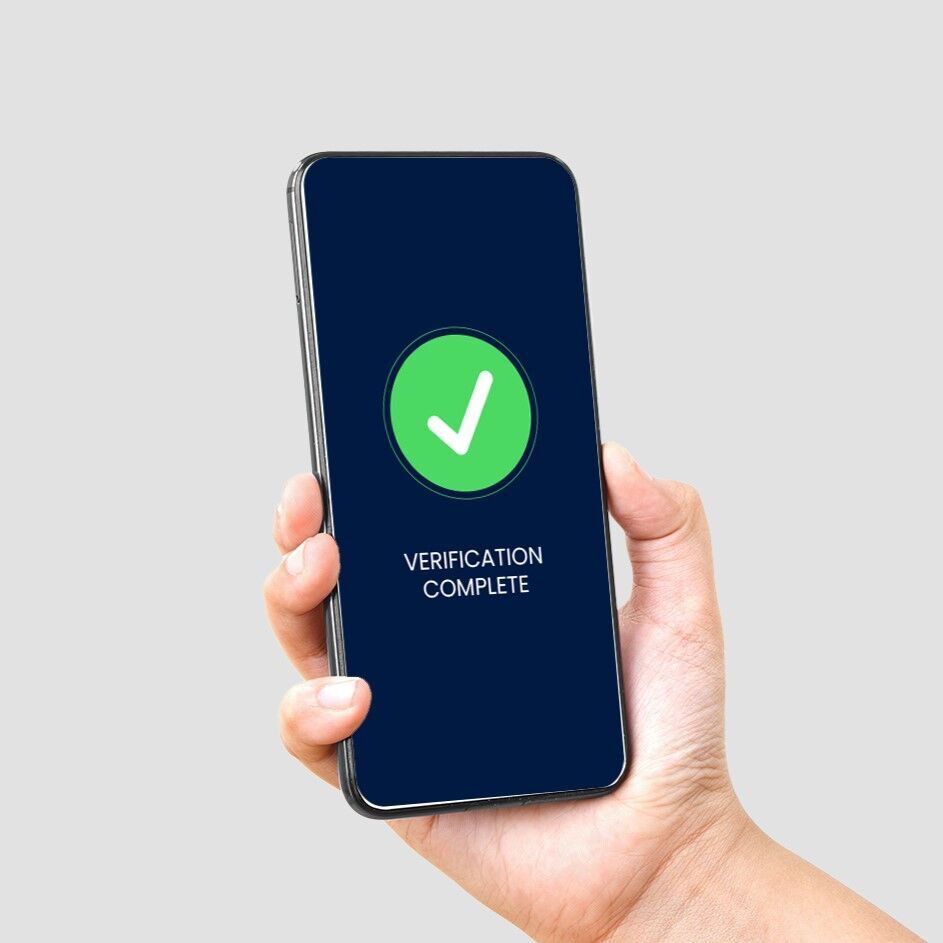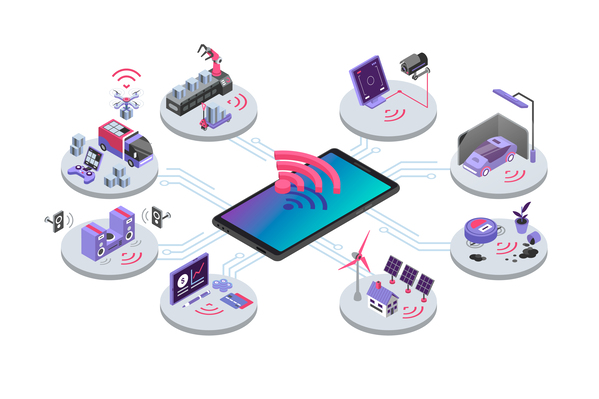






Zero Trust flips the script on cybersecurity by assuming that no user, device, or system is inherently trustworthy, no matter where they are or how often they've been granted access before. Every request is treated as a potential threat, and past trust means nothing.
Gone are the days when firewalls and antivirus software alone could shield your network. Today’s digital threats demand a more proactive and intelligent approach. That’s exactly where Zero Trust stands out, shifting from reactive security to a proactive, dynamic strategy that secures every corner of your digital ecosystem.
The global cybercrime industry is exploding, with annual damages exceeding $6 trillion. These aren’t isolated incidents. Sophisticated cybercrime syndicates now use targeted, multi-layered attacks that affect everything from large-scale infrastructure to small businesses and even individuals.
According to the IBM Security X-Force Threat Intelligence Index 2023, phishing remains the most dominant threat vector, accounting for a staggering 41% of attacks globally in 2022 alone. Clearly, legacy security models can no longer keep up.
To combat this, organizations are embracing Zero Trust Security as a mindset, not just a set of tools. It’s a transformative strategy that assumes continuous risk and demands constant verification, regardless of where access requests originate from.
What is Zero Trust Security?
At its core, Zero Trust Security is built on a simple but powerful principle "Never trust, always verify." This approach treats every access request, whether from inside or outside the organization, as potentially hostile. It insists on strict verification at every level, regardless of the user’s location, device, or previous approvals.
Unlike traditional models that followed a "trust but verify" philosophy, Zero Trust flips the paradigm entirely. It emerged as a response to the inability of perimeter-based models to detect insider threats or lateral movement within the network. Instead of granting broad access once a user is authenticated, Zero Trust enforces granular access controls and ongoing identity verification.
Zero Trust vs Traditional Security Models
The starkest contrast between Zero Trust and legacy security lies in how trust and access are managed.
Traditional cybersecurity relies heavily on perimeter defenses, firewalls, intrusion detection systems, and antivirus tools to protect what is inside. Once inside the perimeter, users often enjoy unrestricted movement, making it easy for malicious insiders or compromised accounts to cause damage.
Zero Trust eliminates the concept of a trusted internal network altogether. It enforces identity verification, access restrictions, and monitoring continuously, regardless of where the user or device is located. It doesn’t matter whether you’re inside the office or connected remotely; every request is treated as a new risk.

Key Components of a Zero Trust Architecture
Successfully implementing Zero Trust Security requires integrating several key components that together provide a holistic and resilient security posture:
-
Identity Verification: Using robust authentication methods like Multi-Factor Authentication (MFA) ensures that users are who they claim to be before granting access.
-
Micro segmentation: Dividing your network into smaller, isolated zones limits the spread of threats and helps to contain breaches more effectively.
-
Least-Privilege Access: Users only receive the exact level of access they need, nothing more. This minimizes the risk of misuse and lateral movement.
-
Encryption & Deep Traffic Inspection: Protecting data at rest and in transit through encryption, while also inspecting traffic thoroughly to catch anomalies in real-time.
-
Analytics & Machine Learning: Leveraging intelligent analytics and AI-powered tools to detect suspicious patterns and respond quickly to potential threats.
How to Implement Zero Trust in the Enterprise
Shifting to Zero Trust Security isn’t an overnight process, but it requires strategy, cross-functional collaboration, and deep visibility into your entire digital landscape. Below are essential steps to a successful implementation:
-
Map Critical Assets and Data Flow: Begin by identifying your most valuable data, applications, and systems. Understand where this data resides, how it moves, and who needs access.
-
Deploy Identity Verification Protocols: Adopt MFA and identity-based access controls to ensure that users and devices are rigorously verified before access is granted.
-
Implement Network Microsegmentation: Break your network into secure, manageable segments to isolate sensitive resources and prevent lateral movement by attackers.
-
Role-Based Access Control (RBAC): Design access permissions based on job roles and specific needs, limiting exposure and simplifying auditing.
-
Real-Time Monitoring and Analytics: Utilize advanced analytics and behavioral monitoring tools to detect anomalies and initiate immediate responses.
-
Employee Awareness and Security Training: People are your first line of defense. Ongoing security education helps employees recognize phishing attempts, suspicious behavior, and adhere to security best practices.
Benefits of Zero Trust Security
Implementing Zero Trust Security offers a wide range of advantages that directly impact your organization’s security posture and operational efficiency:
1. Minimized Data Breach Risks
Based on the principle of "never trust, always verify," Zero Trust substantially reduces the likelihood of unauthorized access and data breaches. Every access request is rigorously vetted, minimizing the risk of cyberattacks, both from within and outside the organization.
2. Stronger Compliance and Data Protection
A Zero Trust approach ensures that data is protected in accordance with industry standards and relevant compliance regulations. This is achieved through strict access controls and continuous monitoring, ensuring that data is only accessible to authorized users.
3. Scalability and Flexibility
Zero Trust enables organizations to more easily adapt their security policies to changing environments and cyber threats. This modular approach allows for the addition or adjustment of security controls as needed.
4. Smaller Attack Surface
By restricting access to only the resources required for a specific task, Zero Trust significantly reduces the number of attacks points an attacker can exploit.
5. Improved Internal Threat Management
The Zero Trust approach also provides better protection against internal threats, an area often overlooked by traditional security models. Any access attempt, even from within the organization, is treated with suspicion and must undergo a series of verifications.
6. Greater Network Visibility
This approach provides greater visibility over who is accessing what and from where, allowing for better control over dataflow and activity within the network.
7. Long-Term Cost Efficiency
While it may require a significant initial investment, implementing Zero Trust can reduce security costs in the long run. By reducing the number of security incidents and data breaches, your business can save on costs associated with mitigating and recovering from these attacks.

Challenges and Solutions in Zero Trust Adoption
While the benefits are clear, Zero Trust implementation can present real-world challenges:
Implementation
-
Technical complexity: Implementing Zero Trust can be complex, especially in companies with large and heterogeneous IT infrastructure. The solution is a phased approach, starting with critical assets and gradually expanding to the entire network.
-
Resistance: The shift from a traditional security model to Zero Trust can generate resistance, both from IT teams and users. It is important to communicate the benefits of Zero Trust and provide adequate training.
-
Integration with existing security systems: Integrating Zero Trust with existing security systems and protocols can be challenging. The solution is to choose a compatible and flexible solution that can integrate seamlessly.
Strategic Decisions
-
Use automation tools: Using tools that automate verification and encryption processes can ease the transition to Zero Trust.
-
Partnerships with security solution providers: Working with vendors with expertise in Zero Trust can help address technical gaps and provide strategic guidance.
-
Adopting flexible security policies: Security policies should be continually updated to reflect changes in the Zero Trust threat and technology landscape.
A Human-Centered Approach
-
Raising security awareness: Security awareness programs should be strengthened to help users understand the importance of adhering to Zero Trust protocols.
-
Continuous feedback and evaluation: Gathering user feedback and regularly evaluating Zero Trust policies is crucial to ensuring that systems are working as intended and not hindering productivity.
Budgeting
-
Realistic budget: Allocate adequate funds for the transition to Zero Trust, including training, security tools, and human resources.
-
Long-term ROI: Consider the long-term return on investment from Zero Trust, including reduced risk and costs of security incidents.
Conclusion
From concept to implementation, Zero Trust Security represents a vital evolution in the way businesses defend themselves against today’s cyber threats. It’s more than a security protocol, but it’s a cultural and operational shift in how digital trust is built, monitored, and maintained.
By verifying every request, limiting access, and constantly monitoring behavior, organizations can better safeguard sensitive data, improve compliance, and respond faster to emerging threats.
For businesses looking to simplify Zero Trust adoption, Telkomsel Enterprise offers Telco Verify, a key component of its Telkomsel Authentication Protection (TAP) initiative. Telco Verify streamlines identity verification using secure, network-based authentication, offering a reliable and scalable way to implement Zero Trust principles.
This platform allows organizations to integrate multiple authentication methods within a single, efficient system, perfect for enterprises needing secure access control at scale.
Start securing your digital future with Zero Trust today. Reach out to us and explore how Telco Verify can elevate your cybersecurity strategy, efficiently and effectively.