




One small vulnerability can lead to data breaches, system outages, or reputational damage and many businesses only realize the importance of application security after it’s too late.
The real question is: How do you secure your apps without compromising user experience?
In today's digital-first world, applications are the backbone of modern business operations. Without proper application security, however, these tools can become entry points for cybercriminals looking to exploit vulnerabilities. But how can you secure your applications without compromising user experience?
Why is Application Security Important?
For businesses today, applications have become the backbone of daily operations. However, without the proper security measures, these applications can open the door for cybercriminals to damage your reputation and cause financial losses.
Here are some key reasons why maintaining application security is crucial:
1. Protecting Sensitive Data
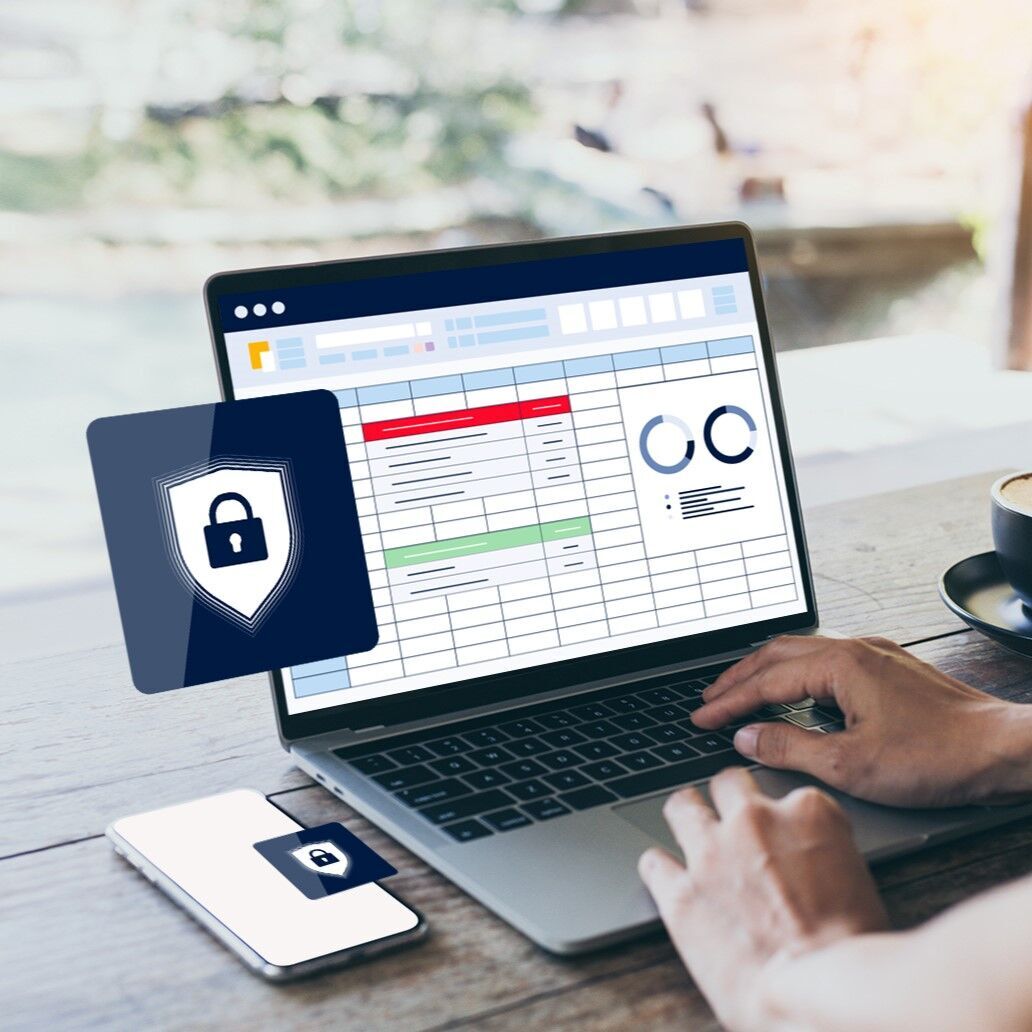
Data is the lifeblood of any business. Customer information, transaction records, and other business-critical data are prime targets for hackers. Ensuring the security of your applications helps protect this sensitive information from unauthorized access, safeguarding your business.
2. Building Customer Trust
Application security plays a pivotal role in building and maintaining customer trust. Customers want to feel safe when using your services or apps, particularly when sharing personal information.
If your application is secure, they’ll feel more comfortable transacting with you. On the flip side, data breaches or privacy violations can destroy that trust instantly.
3. Reducing Financial Risks
Cyberattacks can lead to significant financial damage. System recovery costs, legal fines, and the potential loss of customers can drain your business's resources. By ensuring your applications are secure, you can minimize these risks and focus more on business growth.
4. Ensuring Business Continuity
For businesses reliant on digital applications, it's essential that all activities, from communication to transactions, run smoothly without interruptions. A secure application guarantees that operations continue without disruption from malicious actors.
5. Safeguarding Your Business Reputation
Your reputation is one of your most valuable assets. A breach in your application’s security can lead to irreversible damage to your brand. Application security not only protects your data but also shields your company’s image from harm.
6. Complying with Security Regulations
With data protection laws becoming stricter worldwide, businesses must ensure their applications comply with regulatory standards. Non-compliance can lead to hefty fines or even legal action.
Common Types of Application Security Threats
Application security is not just a buzzword, but it’s a necessity. No matter the size of your business, security threats can have a serious impact on your reputation and even your survival. Here are the top application security threats you should be aware of:
1. Injection Attacks
Injection attacks, such as SQL injection and command injection, exploit vulnerabilities in your application’s input points. Hackers insert malicious code into databases, potentially gaining control of sensitive data or even the entire system.
2. Cross-Site Scripting (XSS)
XSS attacks occur when hackers insert malicious scripts into web pages. These scripts are typically designed to steal session cookies, redirect users to phishing sites, or even cause them to unknowingly perform actions that benefit the attacker.
3. Denial of Service (DoS) and Distributed Denial of Service (DDoS)
DoS and DDoS attacks overwhelm your servers with fake traffic, rendering them unable to serve legitimate users. While DoS attacks originate from a single source, DDoS attacks come from multiple locations, making them harder to defend against.
How to Prevent Application Security Threats
Maintaining application security requires ongoing effort. Fortunately, there are several strategies you can implement to mitigate risks and protect your business. Here are the top ways to secure your applications:
1. Enforce Strict Input Validation
Never trust input from users. Ensure that all incoming data is carefully validated for type, length, format, and allowed characters. Server-side validation acts as the first line of defense against attacks like SQL injection, which exploit small system input vulnerabilities.
2. Implement Clear Access Controls
Not everyone should have access to everything. Use role-based access control (RBAC) to limit permissions based on job roles. This minimizes internal risks and prevents unauthorized access to critical systems.
3. Use Encryption for Sensitive Data
Encrypting data ensures that even if it’s intercepted, it remains unreadable to unauthorized parties. Technologies like HTTPS for data in transit and database encryption for data at rest are essential for application security.
4. Regularly Update and Patch Your Systems
Outdated systems are more vulnerable to attacks. Regularly update your applications, servers, operating systems, and libraries to patch any known security vulnerabilities. Vendors frequently release updates to address weaknesses that could be exploited by attackers.
Application security isn’t just a technical concern, but it’s a business imperative. From protecting customer data to maintaining compliance and trust, the stakes are high.
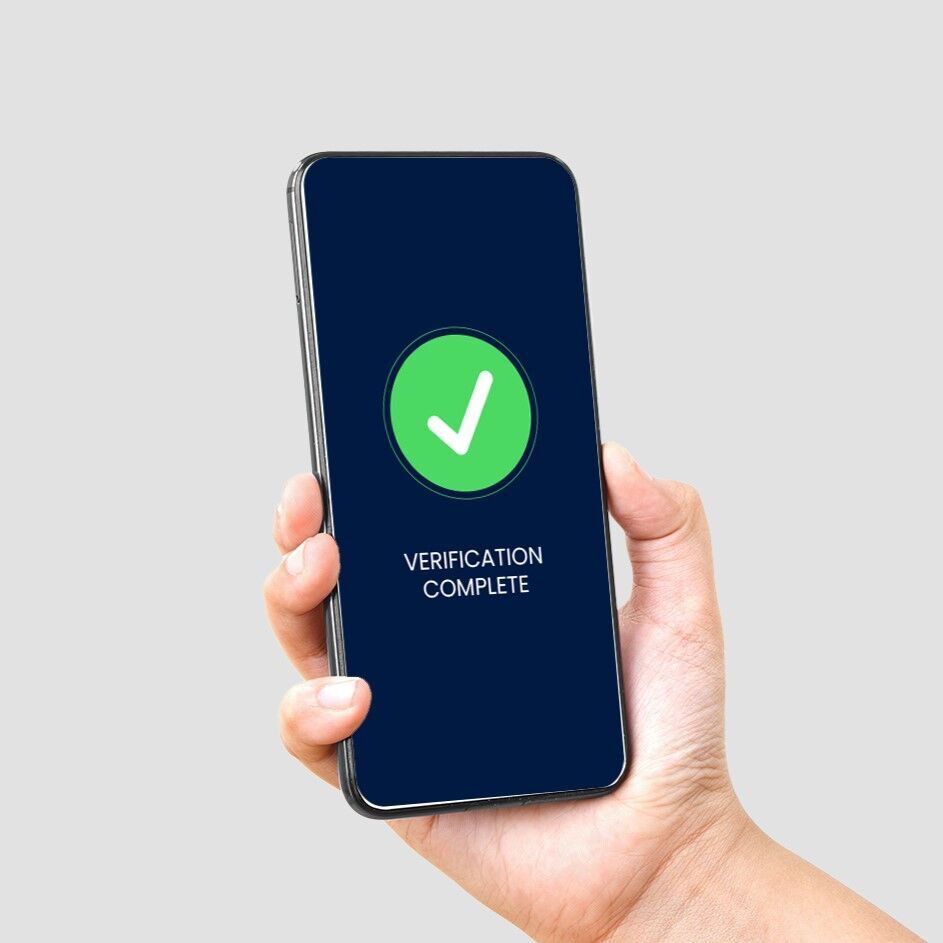
By taking a proactive approach to application security, you can safeguard your business and build a strong foundation of trust with your customers. For an extra layer of protection, Telco Verify from Telkomsel Enterprise offers a modern, password-free authentication solution that ensures both security and user convenience.
Ready to strengthen your app security strategy? Contact us today to learn how Telco Verify can protect your business from evolving threats.