

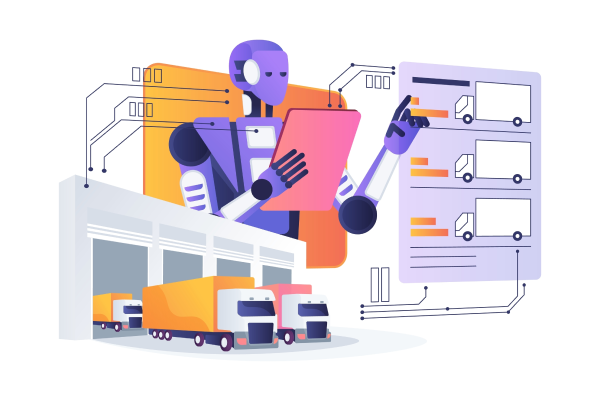


Picture two similar businesses that both operate vehicle fleets. The first knows exactly where every vehicle is at all times, when each one is due for maintenance, and how efficiently each unit consumes fuel.
Now contrast that with a second business where delivery delays are common, fuel costs spiral out of control, and breakdowns happen far too often. This contrast highlights the real-world impact of implementing a modern fleet management system.
As competition in the business environment intensifies, your ability to manage a fleet isn’t just about operational efficiency, but it’s about driving real growth. A well-executed fleet management system empowers your business to cut down on operating costs, boost safety standards, and maintain high levels of customer satisfaction.
What Is Fleet Management?
At its core, fleet management is the process of overseeing and optimizing the use of all vehicles in your business. But modern fleet management goes far beyond just keeping your trucks on the road.
It’s about maximizing vehicle performance, reducing fuel usage, ensuring on-time deliveries, and minimizing unexpected breakdowns. It's also about streamlining your operations with data-driven strategies that keep your business agile and profitable.
Thanks to advancements in technology, a fleet management system now comes packed with features like real-time tracking, predictive maintenance scheduling, optimized route planning, fuel usage analysis, and automated performance reports. Every business decision you make can be supported by actionable data.
Components and Features in Fleet Management
Modern fleet management solutions are comprehensive and integrated, offering far more than traditional GPS tracking. Below are some essential features that define today’s advanced systems:
1. Real-Time Vehicle Tracking
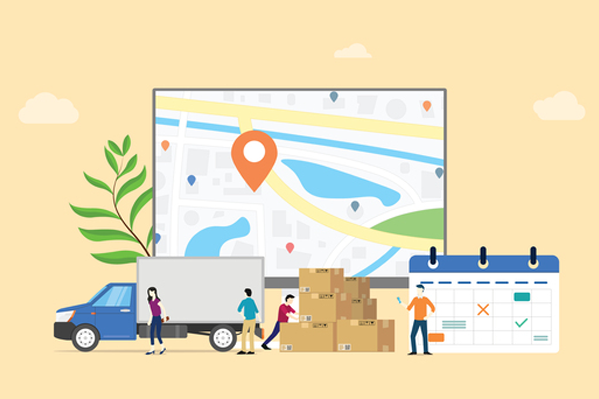
Stay updated with the exact location, speed, and destination of each vehicle in your fleet. Real-time tracking enhances security and allows for immediate responses to unexpected events like traffic jams or adverse weather conditions.
2. Smarter Maintenance Scheduling
Say goodbye to breakdowns and last-minute repairs. Predictive maintenance tools use real-time data from your vehicles to alert you before an issue becomes a costly problem, helping maintain top performance at all times.
3. Fuel Consumption Control
Fuel is often the single biggest operational expense in a fleet-based business. Fleet tracking systems can identify fuel-wasting behaviors, high-consumption vehicles, and inefficient routes, so you can implement strategies that cut down on fuel use and expenses.
4. Performance Reports & Data Analytics
Rather than relying on guesswork, fleet managers can make informed decisions using detailed reports. These analytics cover driver behavior, vehicle usage, delivery routes, and maintenance needs, turning raw data into business intelligence.
5. Seamless System Integration
Modern businesses often use ERP or transportation management systems (TMS). A good fleet management system syncs easily with these platforms, allowing all business data to work together in real-time, eliminating errors and redundant processes.
Why Fleet Management Is Important: Benefits of Implementing It for Business
Industry-leading logistics firms and global transportation companies place fleet management at the heart of their operations, and with good reason. Done right, it can dramatically improve your business's bottom line. Here’s how:
1. Increased Operational Efficiency
With a smart fleet management system, it’s like having a digital assistant coordinating every moving part of your business. From selecting optimal routes to detecting issues before they occur, you can cut travel time by up to 20% and keep drivers focused and productive.
2. Real-Time Fleet Visibility
Modern tracking technology offers complete awareness of your fleet’s status. You’ll know where every vehicle is, how it’s performing, and whether your drivers are operating safely, enabling you to step in before minor issues escalate.
3. Reduced Operating Costs
By eliminating unnecessary mileage, improving fuel efficiency, and maintaining vehicles proactively, you’ll see significant savings. A data-driven budget plan helps prevent unplanned expenses and improves overall financial health.
4. A Safer Work Environment
A strong fleet management strategy builds a culture of safety. Monitor driver behavior, offer tailored training, and provide real-time feedback to reduce accidents and increase driver confidence on the road.
5. Longer Vehicle Lifespan
The way you drive and maintain your vehicle significantly impacts its lifespan. The good news is, modern fleet management systems can transform this entire process into something more efficient and measurable.
Armed with precise data analysis, you can even determine how best to use your vehicle, when it's time for servicing, and how to prevent breakdowns. So, don't be surprised if a well-maintained vehicle lasts longer.
6. Boosted Business Profits
When all aspects of operations run better, the impacts are palpable. From more fuel-efficient fuel consumption to fewer vehicle breakdowns, all of this can clearly save significant money.
Not to mention satisfied customers. As a result, the company profits increased significantly.
7. Happier Customers
Reliable service builds trust. On-time deliveries, accurate ETAs, and real-time updates turn first-time buyers into loyal customers. A transparent system helps manage expectations and enhances client satisfaction.
8. Stronger Competitive Advantage
While competitors rely on outdated systems or fragmented processes, a modern fleet management system puts your business ahead. Fast, accurate decision-making supported by real-time data is the edge you need to thrive.
Fleet Management Tips for Better Practices
Expanding your fleet or adding more drivers isn’t the only way to grow your operations. True optimization comes from smarter strategies. Here are practical, proven tips to make your fleet management more effective:
1. Go Fully Digital l
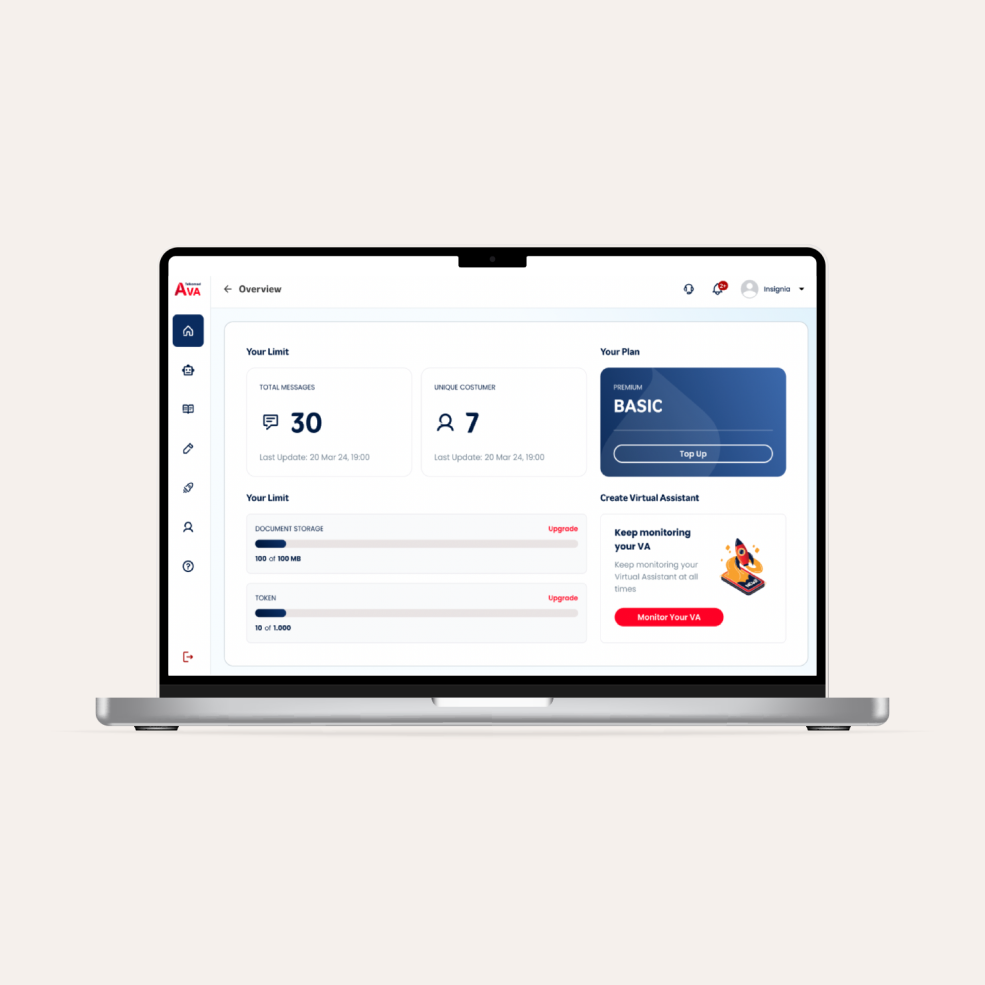
Start by adopting a fleet management platform. GPS tracking, AI-based insights, and cloud data access will help you monitor performance, schedule maintenance, and make smarter decisions, all from a single dashboard.
2. Manage Fuel Usage Efficiently
Fuel misuse can silently eat into your profits. Analyze usage patterns, monitor driver habits, and set alerts for anomalies. Automating these insights helps identify hidden cost leaks and opportunities to save.
3. Actively Monitor Driver Behavior
Your fleet is only as strong as your drivers. Educate them on safe and efficient driving practices. Use tracking systems to monitor speed, braking patterns, and idle times, then offer coaching sessions tailored to their needs.
4. Create a Predictive Maintenance Plan
Preventative maintenance saves time and money. Track engine performance, mileage, and part wear to schedule service before issues arise. Healthy vehicles keep your operations consistent and delay costly breakdowns.
5. Prioritize Customer Experience
All business practices essentially share the same goal, that is to provide reliable service to customers. Efficient route planning, responsive communication, and on-time delivery will ensure customer satisfaction. Best of all, satisfied customers are likely to return and even recommend your business to others.
Upgrade to Smarter Fleet Management with Fleetsense
The era of manual tracking and reactive management is over. Modern businesses need fleet management systems that offer insight, automation, and precision, and that’s where FleetSense can support your business.
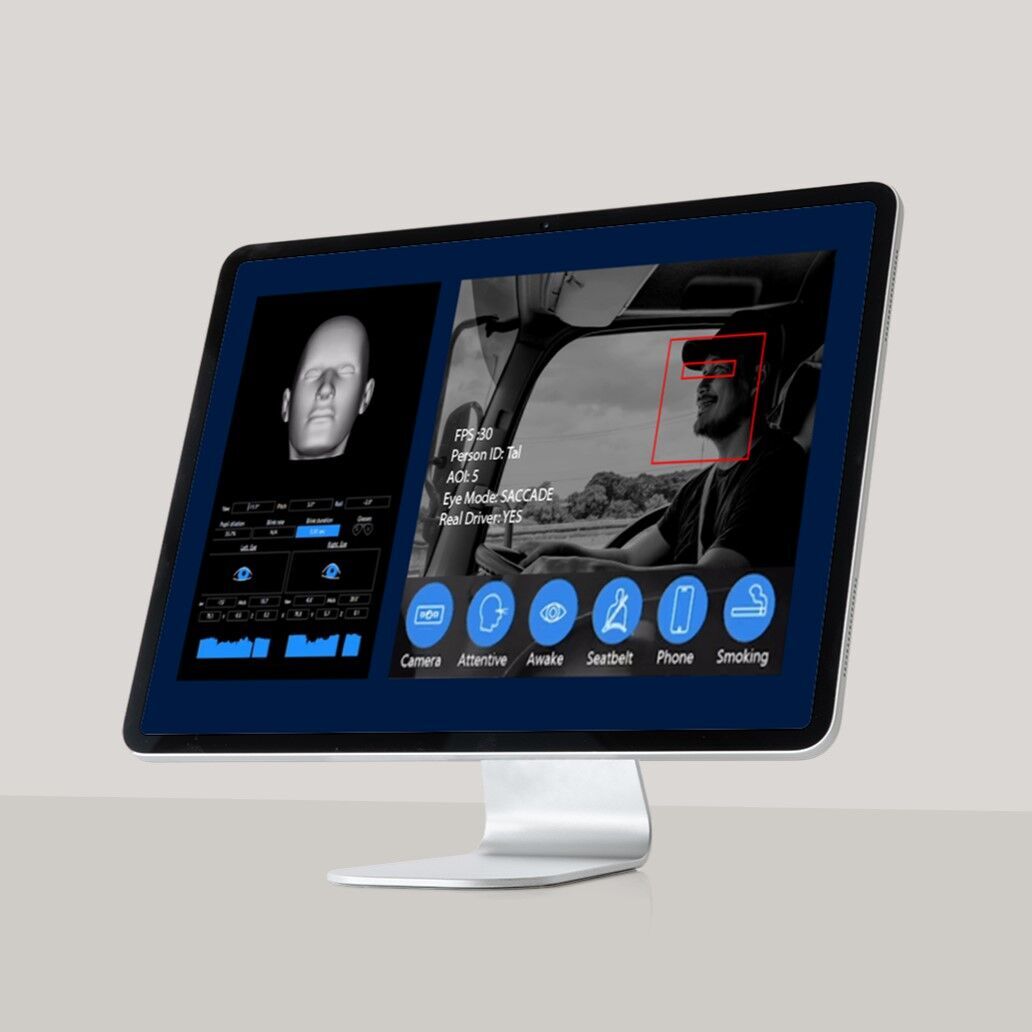
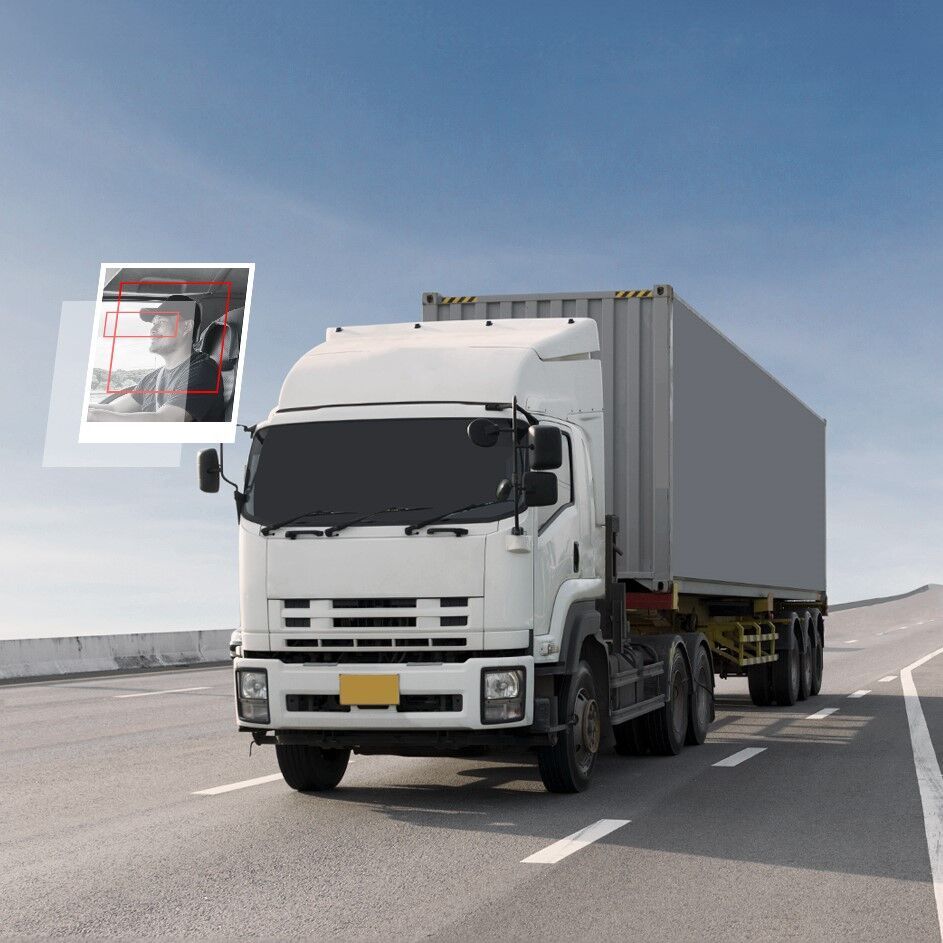
FleetSense’s advanced visual AI allows you to detect incidents before they escalate, safeguard your team, and elevate operational efficiency. With clear insights and powerful automation, managing your fleet becomes smarter, safer, and significantly more profitable.
Whether you're aiming to reduce risk, cut costs, or boost performance, partnering with FleetSense means putting your fleet on the path to long-term success.
Ready to make your fleet more efficient, reliable, and profitable? Contact us today and discover how FleetSense can drive your business forward.