





Understanding what customers think about your brand, products, or services is one of the most powerful tools in growing a successful business. That’s where customer feedback comes into play.
Customer feedback is more than just opinions. It’s direct insight from your users that can help you refine your offerings, improve customer satisfaction, and even uncover new opportunities for innovation.
In this article, we will explore what customer feedback is, why it’s essential for your business, and the most effective ways to respond to it, creating a positive impact on your business growth and sustainability.
What Is Customer Feedback?
Customer feedback refers to the responses, opinions, or evaluations given by customers regarding a product, service, or their overall experience with a business. This feedback can come in many forms, such as positive comments, criticisms, suggestions, questions, or complaints, and is typically gathered through various channels like surveys, social media, and more.
Customer feedback is a crucial source of direct information from end-users, reflecting how well a business meets customer expectations and needs.
In short, customer feedback serves as a communication bridge between customers and companies. If utilized effectively, feedback can become a strategic tool for continuous improvement in product quality and customer satisfaction.
Why Is It Important to Analyze Customer Feedback?
Analyzing customer feedback is crucial for any business that aims to stay competitive and customer centric. Here are the top benefits of doing so:
1. Improving Product and Service Quality
Customer feedback provides direct insights into how customers perceive your products and services. By reviewing critiques, suggestions, and input, businesses can innovate and identify areas that need improvement, development, or should be maintained in line with customer expectations.
2. Boost Customer Satisfaction
When customers see that their feedback is valued and acted upon, they feel heard and appreciated. This kind of active engagement leads to increased customer satisfaction, reinforcing the relationship between your business and its customers.
3. Build Brand Loyalty
Responding to feedback shows that your business cares. Customers who feel acknowledged are more likely to remain loyal and advocate for your brand, leading to stronger relationships and repeat business.
4. Attracting Potential Customers
Positive reviews and testimonials from satisfied customers are often shared on social media or review platforms, acting as organic marketing tools. These authentic recommendations help attract new customers and expand your reach.
How to Collect Customer Feedback Effectively
Collecting customer feedback efficiently is essential to improving your business. Here are some effective ways to gather valuable insights:
1. Online Surveys
Online surveys are one of the most common and efficient ways to gather large-scale customer feedback. They offer easy distribution, quick data collection, and flexibility in crafting questions based on your business needs.
2. Focus Group Discussions
Inviting a small group of customers to discuss a product, service, or overall experience provides deeper, qualitative insights. Focus groups help uncover customer perceptions, emotions, and expectations that may not be fully captured in surveys.
3. Customer Interviews
Conducting one-on-one interviews, either in-person or virtually, allows you to explore customer opinions in more detail. This method offers an opportunity for customers to share their thoughts openly, helping businesses understand their experiences and needs more deeply.
4. Social Media Platforms
Social media platforms like Instagram, Twitter (X), Facebook, and TikTok have become essential for observing and responding to customer feedback. Comments, reviews, and direct messages on these platforms are valuable sources of real-time feedback.
5. Online Review Platforms
Websites like Google Reviews, TripAdvisor, and e-commerce platforms such as Tokopedia and Shopee allow customers to leave public reviews. These reviews are important as they influence the reputation of your business and potential customers’ decisions.
6. Live Chat and Chatbots
Real-time chat services on websites or apps provide customers with an immediate way to voice their concerns, questions, or suggestions. These interactions not only offer prompt service but also generate direct feedback about customer experiences.
How to Respond to Customer Feedback Effectively
Once you’ve collected customer feedback, responding effectively is key to turning it into a growth opportunity. Here’s a guide on how to approach it:
-
Step 1: Analyze Sentiment
Start by analyzing whether the feedback is positive, negative, or neutral. Tools like sentiment analysis can help you categorize feedback and pinpoint areas requiring immediate attention.
-
Step 2. Identify Trends and Patterns
Look for recurring themes or common issues. This will help your business focus on the areas most affecting customer experiences.
-
Step 3. Prioritize Issues
Rank issues based on their severity and impact on customers. Address the most critical concerns first to make the greatest impact.
-
Step 4. Pilot Test Changes
Before implementing widespread changes, conduct pilot tests to assess the potential outcomes of adjustments. This helps you understand the impact before making permanent changes.
-
Step 5. Create an Action Plan
Once priorities are set, create a detailed plan for resolving issues. Include timelines, resources, and responsible teams to ensure smooth implementation.
-
Step 6. Communication Changes to Customers
Let customers know you’ve listened and acted. Share updates via email newsletters, social media posts, or in-app notifications. This builds goodwill and reinforces trust.
-
Step 7. Monitor and Evaluate
After changes are made, continuously monitor the results to ensure they’re having the desired effect. Regularly evaluate customer feedback to ensure ongoing improvements.
Managing customer feedback across multiple channels can be overwhelming. That’s where Telkomsel Enterprise’s Customer Engagement Platform (CEP) comes in.
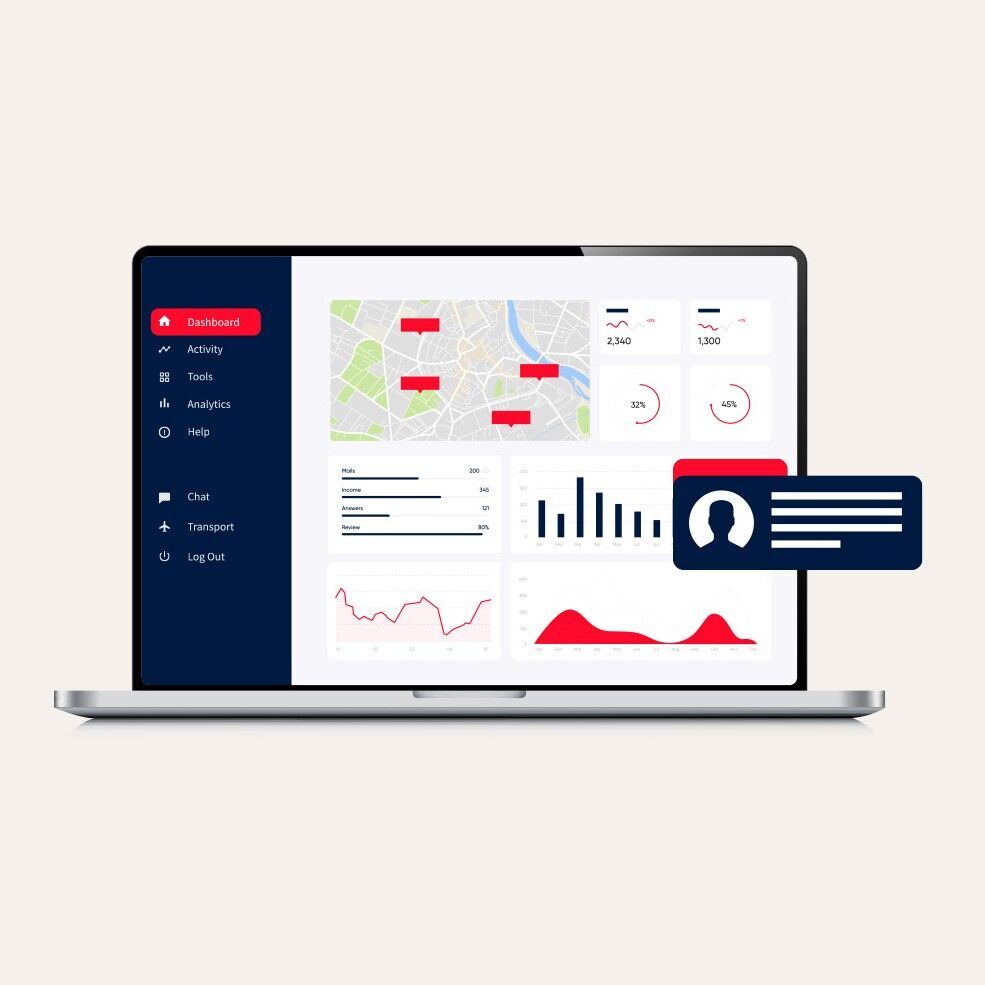
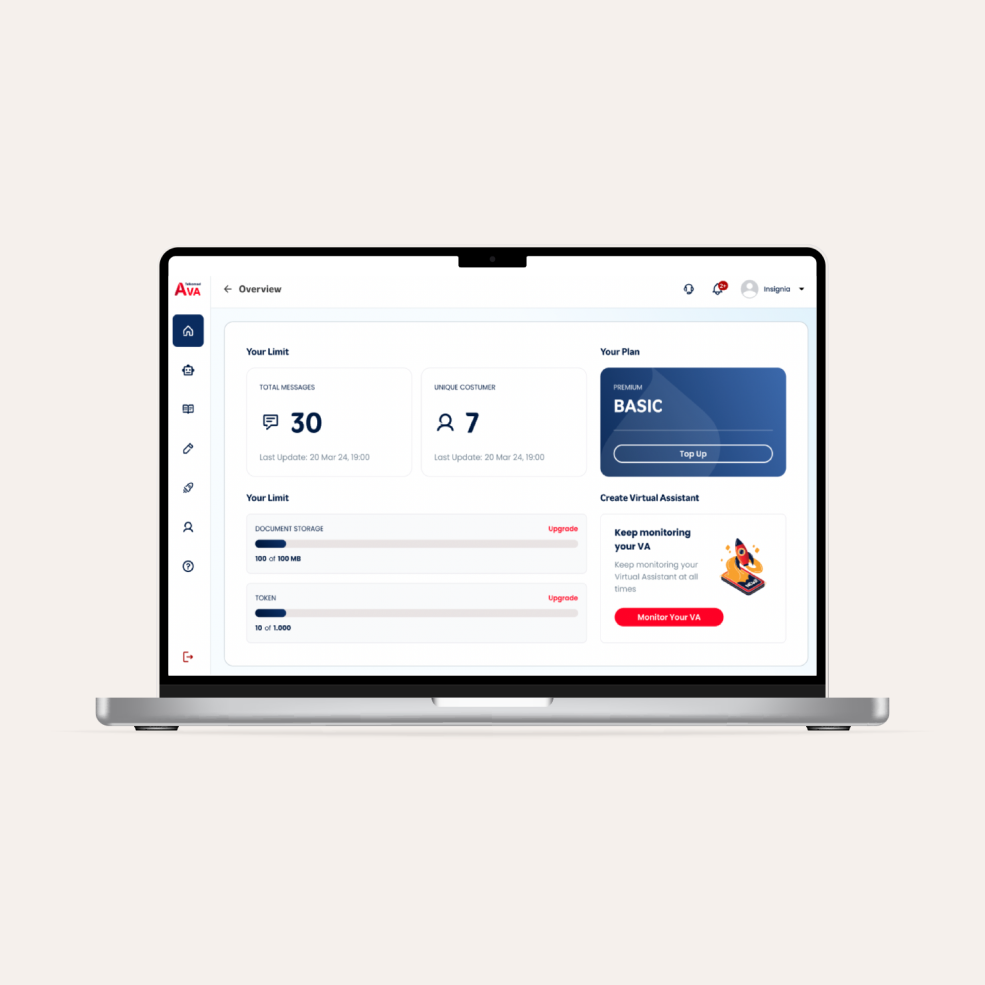
CEP helps businesses collect, analyze, and act on customer feedback in real time. With intuitive dashboards and advanced analytics, you can gain actionable insights and tailor your communication strategies to enhance customer experience.
By utilizing CEP, your business can grow faster, increase customer loyalty, and innovate in line with market needs.
Ready to transform how you manage customer feedback? For more information on optimizing your customer feedback process, contact us today!
So start listening, start learning, and let your customers shape your future.