



Every modern enterprise owns a range of valuable assets. Whether physical or intangible, these assets are essential to smooth operations and long-term business growth. That’s why understanding and managing them through a proper asset management system is no longer just an option, but it’s a core business necessity.
Unfortunately, many businesses still struggle with poor asset management. Without a clear strategy, assets often become a liability instead of a strategic advantage. Some are underutilized, forgotten, or even end up adding unnecessary operational costs. When in fact, with proper planning and execution, every asset can be optimized to support your business goals.
So, how do you manage your assets effectively? Let’s dive deeper into what asset management is, its objectives, and how to make it work for your business.
What Is Asset Management?
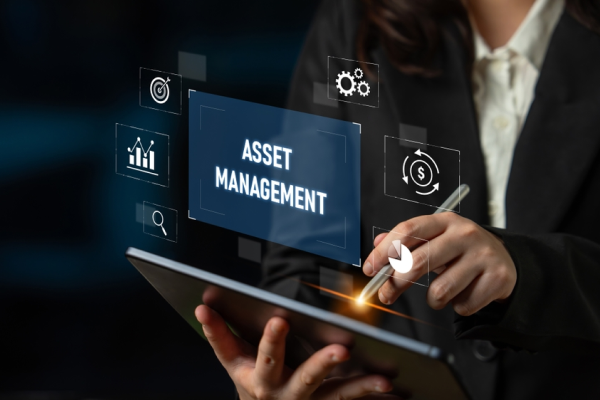
Asset management is the process of managing company assets, from planning, procurement, and utilization to maintenance and optimization, so that they provide maximum value to the business.
The goal of asset management is to help businesses improve overall value, extend the useful life of assets, maximize the efficiency of asset usage, and minimize operational costs
By taking a strategic approach, companies can ensure their assets work for them, not against them.
Why Is Asset Management Important for Businesses?
By implementing effective asset management, companies can track both the condition and location of their assets to ensure that business operations run smoothly without interruptions. This process also supports businesses in achieving their strategic goals while managing potential risks along the way.
That’s why asset management is a crucial activity within any organization. With proper management, companies are better equipped to make informed and strategic decisions. As a result, assets can be utilized to their fullest potential, driving greater efficiency and generating maximum profitability.
Functions and Objectives of Asset Management
Asset management plays a crucial role in helping businesses manage their resources efficiently and strategically. Below are several key functions and objectives of asset management that make it an essential part of any company's operations:
1. Preserving Asset Value
One of the primary functions of asset management is to maintain the value of company assets and extend their useful life. Regular and proper maintenance helps prevent damage or degradation that can reduce the asset’s resale or functional value.
To achieve this, companies need to allocate sufficient operational budgets for maintenance activities that align with the company’s long-term goals. Investing in preventive maintenance reduces the risk of costly repairs or early replacement.
2. Monitoring Asset Depreciation
Certain assets, especially those used in daily business operations like machinery or production equipment are prone to depreciation due to continuous usage.
With a robust asset management system, businesses can monitor the depreciation of these assets more effectively. This allows them to plan ahead for replacements, upgrades, or repairs, and avoid unexpected operational disruptions caused by asset failure.
3. Simplifying Asset Funding Processes
Another key objective of asset management is to optimize the use of existing assets, making it easier for businesses to plan their asset-related funding needs.
For example, companies can better allocate budgets for equipment purchases, maintenance costs, or repair expenses. This helps avoid excessive or unnecessary spending and improves overall financial efficiency.
4. Supporting Risk Management
Asset management also enhances a company’s awareness of potential risks and vulnerabilities related to its assets. With a clear understanding of asset conditions and value, businesses can take proactive steps to reduce or prevent risks.
This leads to more effective planning and safeguards the company from losses caused by equipment failures, misuse, or non-compliance with operational standards.
5. Improving Asset Security
One of the goals of asset management is to ensure that all company assets and resources are stored, monitored, and maintained securely.
By implementing a structured management system, businesses can significantly reduce the risks of asset loss, theft, or damage. As a result, asset security is strengthened, and companies gain greater peace of mind in their daily operations.
Types of Asset Management
Every business has different kinds of assets, each requiring its own management approach. Generally, there are three main types of asset management that companies commonly implement, depending on their operational needs and the nature of the assets involved.
1. Physical Asset Management
Physical asset management focuses on the administration of tangible assets owned by a company. These include items such as vehicles, buildings, machinery, and office equipment. The primary aim of this type of asset management is to extend the useful life of these assets, ensure they function optimally, and support daily operations effectively.
Managing physical assets properly also helps increase productivity across departments by ensuring that equipment is always in good working condition. Moreover, this approach helps businesses reduce maintenance and repair costs over time by implementing routine inspections and preventive care.
2. Financial Asset Management
This type of asset management is centered on handling a company’s financial resources. It involves the strategic management of investments, stocks, bonds, and other financial instruments. The goal of financial asset management is to maximize the returns from these financial assets while minimizing the potential risks associated with market fluctuations or poor investment decisions.
Companies rely on this type of asset management to ensure that their capital is working efficiently to support business growth, improve liquidity, and strengthen financial stability in the long term.
3. Policy-Based Asset Management
Policy-based asset management refers to the regulation and governance of how company assets are used and managed. This includes the implementation of internal policies such as asset usage rules, maintenance procedures, and procurement standards.
The focus here is to ensure that all assets are utilized in a consistent, efficient, and compliant manner according to both company guidelines and industry standards. With clear policies in place, businesses can maintain control over how assets are handled, minimize misuse, and ensure accountability across the organization.
Tips to Optimize Your Asset Management Strategy
To ensure your asset management system delivers optimal results, there are several best practices to implement:
1. Monitor Asset Value
Asset values fluctuate over time. For example, market changes can affect investment value. That’s why it’s important to perform regular revaluations to stay informed about the current condition of your assets.
Regular monitoring helps reduce risk and improve the quality of business decisions.
2. Schedule Cash Flow
Cash flow should be managed with a clear schedule. This helps balance incoming and outgoing funds and ensures enough liquidity for asset maintenance and other obligations.
If a shortfall is predicted, the business can prepare loans, or payment plans in line with expected income. It also serves as a financial evaluation tool.
3. Maximize Investments
Use surplus funds to invest in instruments like mutual funds, stocks, or bonds. Although investments come with risks, the right risk management strategy allows you to tap into greater profit potential.
The principle “high risk, high return” applies here, success in investments depends on careful planning, discipline, and long-term consistency.
4. Optimize Asset Performance
Ensure that all assets generate value or income. If certain assets are not providing enough returns, consider evaluating their performance. In some cases, selling underperforming assets may be the right move to boost overall productivity.
Balancing assets with business liabilities is key to financial health.
Telkomsel IoT INTANK: Smarter Asset Management for Liquid Assets
Asset management is vital for keeping your business running efficiently. But without the right tools and technology, managing assets, especially in real-time, can be a challenge.
That’s why Telkomsel Enterprise presents IoT INTANK, a smart solution designed to manage and monitor liquid assets in real-time. With precise stock tracking and up-to-date insights, you’ll always know the condition of your assets, helping you make quicker, more informed decisions.
Imagine having strategic decisions backed by real-time data. That’s what IoT INTANK delivers, turning your asset management into a source of strength, efficiency, and confidence.
Now’s the time to transform your asset management into a smarter, future-ready system with IoT INTANK. Improve efficiency, reduce risk, and secure your business future.
Ready to get started? Contact Telkomsel Enterprise today and let’s discuss the right solution for your business needs.