





Travel today is no longer just about stunning views or iconic landmarks. In an era where expectations are higher and competition fiercer, destinations must offer more than natural beauty, they need intelligence. Enter smart tourism, a forward-thinking concept that fuses information and communication technologies (ICT) to create destinations that are efficient, secure, sustainable, and deeply personalized for every traveler.
But how exactly does smart tourism technology reshape the way we explore the world? And how can destination managers use these innovations to deliver seamless, memorable, and tailored experiences?
Let’s dive deep into the heart of what is smart tourism, its transformative benefits, the key technologies that power it and the challenges it faces.
Understanding What Is Smart Tourism Technology
At its core, smart tourism isn’t merely about installing smart cameras or launching a mobile app. Think about it, from searching for destinations and booking tickets to enjoying a site’s attractions, everything feels seamless when connected within a single, efficient system. This is the essence of smart tourism.
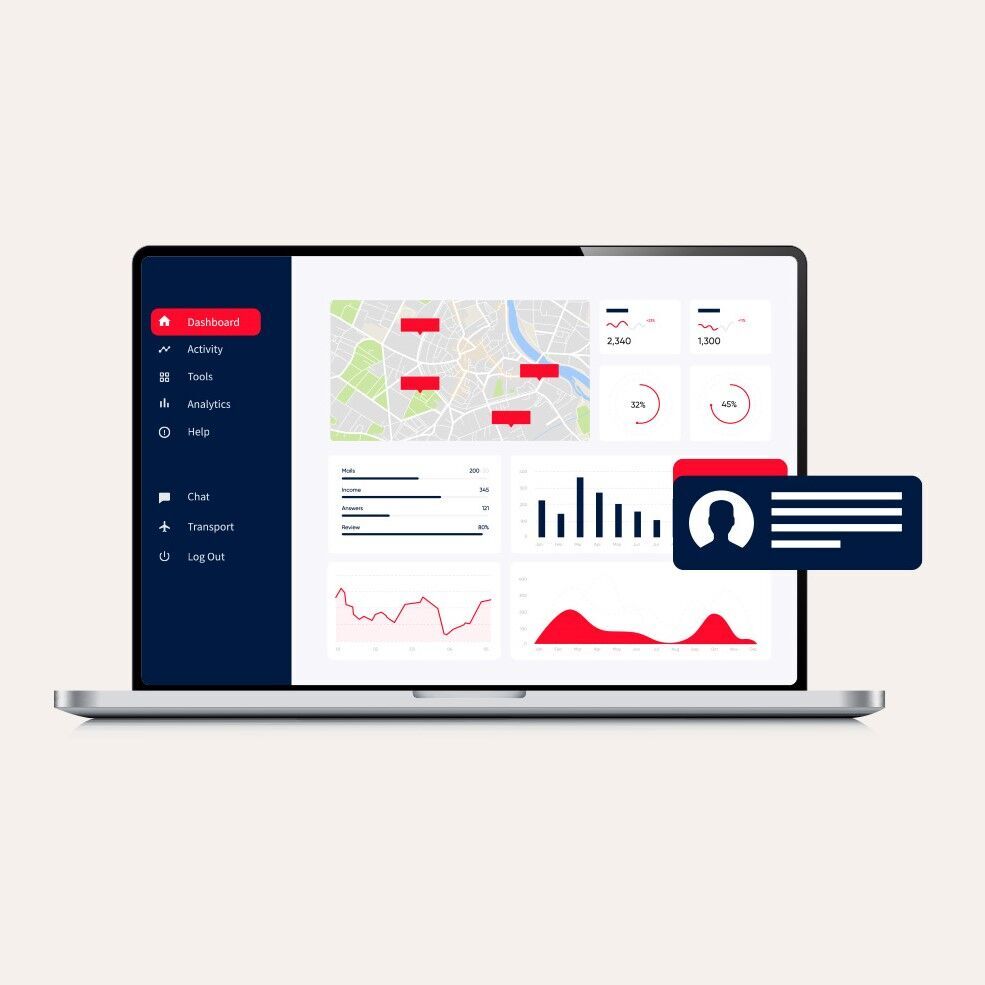
It leverages real-time data from diverse sources, tourism apps, on-site sensors, social media activity, GPS movements, and more, to understand traveler behavior with remarkable precision. This intelligence fuels innovations like automated ticketing, AI-powered itinerary suggestions, crowd management dashboards, and immersive digital guides.
In short, smart tourism technology turns passive sightseeing into dynamic, interactive, and hyper-personalized adventures.
The Core Goals of Smart Tourism
Smart tourism's benefits go far beyond making destinations more modern. It’s about achieving greater goals, including:
1. Enhancing the Comfort of Travel
With smart travel apps, real-time sensors, and seamless information systems, tourists can receive faster and more personalized services. Whether it’s booking tickets, navigating directions, or accessing local events, everything becomes easily accessible, making travel more enjoyable.
2. Driving Innovation in the Tourism Sector
Technology opens up new possibilities. With data and artificial intelligence (AI), tourism managers can understand visitors' preferences and tailor their services accordingly. For instance, automated systems may recommend dining options or scenic spots based on a traveler’s personal interests. Simple, but powerful.
3. Empowering Local Communities
Smart tourism is also about helping local communities thrive within the tourism ecosystem. With digital platforms, local residents can promote their handmade crafts, cuisine, or regional culture more effectively. This creates a more balanced economic benefit for everyone involved.
4. Improving Destination Management Efficiency
Technologies like the Internet of Things (IoT) and cloud computing help destination managers monitor real-time conditions, such as visitor traffic, parking space availability, or cleanliness. With this data, quick decisions can be made to improve operations, ensuring a smoother visitor experience.
5. Supporting Sustainability and Cultural Preservation
One of the primary goals of smart tourism technology is sustainability. This means preserving the environment and cultural heritage while enhancing travel experience. IoT sensors can track the number of tourists to prevent overcrowding, and AI can help monitor the impact on natural resources, ensuring that tourism remains sustainable.
6. Boosting Tourist Security and Confidence
Security is a top priority. With smart technologies such as surveillance cameras, emergency alert systems, and AI-driven safety monitoring, tourists can feel safer throughout their journey. Additionally, tourism managers can respond swiftly to any emergencies, ensuring visitors' peace of mind.
7. Fostering Regional Economic Growth
A well-managed tourism system translates into higher visitor satisfaction, which in turn boosts local economies. Digital promotions attract more tourists, and as a result, local businesses, job creation, and government revenues grow.
How Smart Tourism Elevates the Traveler Experience
Technology is redefining how tourists experience travel. Here are some ways smart tourism is making trips more memorable:
1. Providing Accurate and Relevant Information
Smart tourism ensures that tourists have access to reliable and up-to-date information. Whether it's about public transport schedules, weather conditions, or restaurant recommendations, travelers can access the data they need via digital platforms. This eliminates the need for time-consuming research.
2. Simplifying Access to Tourist Services
Gone are the days of waiting in line for tickets or directions. With smart tourism apps, visitors can book tickets, find tour guides, and even plan their entire trip from their smartphones. Customizable travel itineraries based on personal preferences make the entire experience much more convenient.
3. Fostering Interaction Between Tourists and Destinations
Smart tourism fosters a direct connection between visitors and service providers, creating an interactive and engaging experience. Whether through chatbots, digital tour guides, or virtual forums, these technologies bring a personal touch to travel.
4. Creating Personalized Experiences
Every tourist has different preferences. Smart tourism allows for tailored experiences, from the choice of activities and culinary experiences to customizable routes. Technology ensures each visitor enjoys a journey that aligns with their interests and needs.
5. Making Travel More Comfortable and Efficient
Smart transportation systems make travel smoother, with real-time updates on routes and schedules. Even solo travelers benefit, as all the essential travel information is just a tap away.
6. Helping Tourists Make Informed Decisions
Virtual tours, augmented reality (AR), and virtual reality (VR) offer tourists the chance to explore a destination before setting foot there. This not only builds excitement but also helps in choosing locations that best suit individual preferences.
7. Adding Fun and Educational Value
AR and VR technologies allow visitors to engage with historical sites or natural landmarks in exciting, informative ways. Whether it’s exploring an ancient temple through a virtual guide or viewing historical reenactments, these technologies enrich the tourist experience.
8. Enhancing Safety and Security
Smart infrastructure such as monitoring cameras, crowd sensors, and emergency systems create a safer environment for visitors. Enhanced security builds trust and increase tourists' comfort levels during their trips.
9. Encouraging Active Participation
Smart tourism invites tourists to engage more deeply with their surroundings. Whether it's leaving reviews, sharing experiences, or contributing to the preservation of natural sites, visitors can play an active role in maintaining the destination.
10. Promoting Environmental and Social Responsibility
While technology makes tourism easier, it also encourages more sustainable travel practices. From renewable energy use to waste management and promoting eco-friendly habits, smart tourism ensures that tourism can thrive without harming the environment or local cultures.
The Technologies Behind Smart Tourism
Understanding how smart tourism works requires knowing the key technologies that power it. Here’s a closer look at the technologies transforming travel:
1. Internet of Things (IoT)
Imagine walking through a tourist site and receiving instant historical facts about the building right in front of you. That’s IoT at work. IoT connects various devices, such as sensors, cameras, and ticketing systems, into one intelligent network.
This allows tourism managers to monitor environmental conditions, regulate visitor flow, and enhance safety, all in real-time.
2. Artificial Intelligence (AI)
AI is the brain behind smart tourism, analyzing massive amounts of data to learn about tourist behaviors. This enables systems to provide personalized recommendations, from suggesting the best dining spots to offering customized travel itineraries. AI helps managers improve services and fine-tune the overall visitor experience.
3. Big Data
Every digital interaction by a tourist generates valuable data. Whether it's search queries, photos uploaded, or feedback on social media platforms, this data helps tourism managers understand trends, preferences, and peak visiting times. Big data is crucial for optimizing promotional strategies and tailoring services.
4. Mobile Applications
The one piece of technology tourists carry with them everywhere is their smartphone, and mobile apps are at the heart of smart tourism. These apps simplify everything from booking tickets and navigating destinations to exploring AR-based features. They also enable interactive experiences, making travel more seamless and enjoyable.
5. Smart Sensors
Small but powerful, smart sensors play an integral role in ensuring a safe and comfortable travel experience. They track air quality, temperature, visitor numbers, and traffic conditions, helping managers make quick decisions, such as limiting access during peak times.
Improving Smart Tourism with MSIGHT by Telkomsel Enterprise
Smart tourism is not just a passing trend, now it’s a new foundation for a more efficient, sustainable, and visitor-friendly travel experience. Technologies like IoT, AI, and big data work together to create memorable journeys, and with solutions like MSIGHT from Telkomsel Enterprise, this ecosystem is enhanced even further.
MSIGHT leverages big data analytics to provide valuable insights into tourist behaviors and movements. For example, it tracks visitor origins, visit duration, and activity preferences. With this data, destination managers and local authorities can make data-driven decisions that improve service offerings and optimize visitor management.
In addition, MSIGHT helps with promotional strategies, ensuring that marketing efforts are targeted and effective. Public facilities can be adjusted to meet visitor needs, while tourist traffic can be better managed to avoid overcrowding. Ultimately, this creates a more personalized, efficient, and enjoyable experience for travelers, and a more streamlined operation for destination managers.
Smart tourism is about using technology to reshape how we travel. By leveraging data and connectivity, it builds a more intelligent, competitive, and sustainable tourism ecosystem. With the support of solutions like MSIGHT by Telkomsel Enterprise, the future of tourism in Indonesia and globally, looks brighter and smarter.