


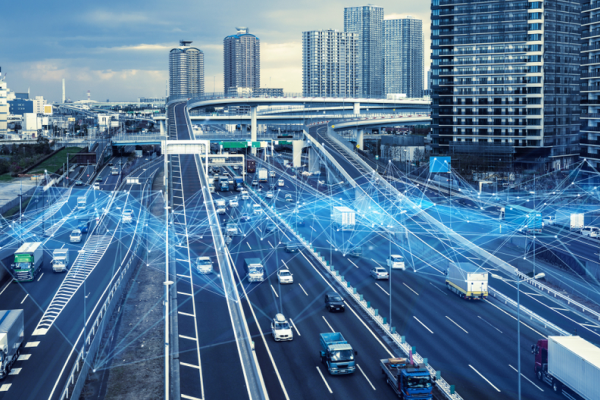


The fusion of the Internet of Things (IoT) and smart mobility is reshaping how people and goods move in the digital age. By seamlessly connecting vehicles, infrastructure, and users in real time, this synergy delivers intelligent solutions that cut congestion, slash emissions, and elevate the everyday travel experience.
Far more than a buzzword, smart mobility represents a fundamental shift toward responsive, sustainable, and human-centered urban transportation.
Understanding the role of IoT in enabling smart mobility isn’t just forward-thinking, it’s essential for building competitive, eco-friendly smart cities. As urban populations swell and climate pressures mount, cities worldwide are turning to data-driven mobility ecosystems to meet 21st-century challenges head-on.
Why Smart Mobility is Important: Benefits You Should Know
The importance of smart mobility lies in its potential to create transformative, long-term solutions for urban mobility. Below are the key reasons why smart mobility is critical for the future of urban life:
1. Transportation Efficiency
Data-driven traffic management systems play a vital role in reducing congestion, optimizing travel routes, and cutting down on commute times. This not only saves valuable time but also ensures smoother, more predictable journeys for commuters.
2. Environmental Benefits
Smart mobility promotes the use of electric vehicles (EVs), shared transportation systems, and public transport, which directly reduces carbon emissions. These practices contribute to cleaner, greener cities and are integral to building environmentally friendly urban environments.
3. Enhanced Safety
With the help of IoT sensors, data analytics, and real-time monitoring, smart mobility systems can provide early warnings about traffic conditions and potential hazards. Additionally, emergency response systems are enhanced, leading to quicker reactions during accidents or incidents, ultimately reducing traffic-related injuries and fatalities.
4. Improved Comfort and Accessibility
Smart mobility simplifies the travel process by providing real-time updates on transportation availability, alternative routes, and multi-modal transit options. Through mobile apps, people can seamlessly plan their journey, whether they're using public transit or sharing a ride. This accessibility also boosts inclusion, particularly in underserved or suburban areas.
5. Economic Efficiency and Productivity
By cutting down travel times and streamlining routes, the economic benefits of smart mobility are significant. Reduced operational costs for transportation providers and less time spent in traffic allow for greater productivity, driving both personal and economic growth.
6. A Cornerstone of the Smart City Vision
Smart mobility is a cornerstone in the development of smart cities, where transportation systems are seamlessly integrated with other urban services such as energy, infrastructure, and public amenities. This interconnectedness creates modern, sustainable urban environments that are more efficient, livable, and resilient.
Essential Elements of Smart Mobility
Smart mobility is characterized by several fundamental elements that ensure its effectiveness. These include:
1. Dependence on Other Instruments
Smart mobility doesn’t function in isolation. It relies on interconnected technologies such as IoT sensors, GPS, smart cameras, and traffic management systems to gather data that informs decisions on traffic flow, safety measures, and route optimization. These systems work together to create a cohesive transportation ecosystem.
2. Edge Computing
One of the defining features of smart mobility is edge computing, which allows data processing to happen closer to its source, rather than being sent to distant servers. This enables rapid decision-making, which is essential for systems that require real-time responses, such as controlling traffic lights or guiding autonomous vehicles.
3. Connectivity
High-level connectivity is a hallmark of smart mobility. Vehicles, infrastructure, and users are all linked via stable internet networks, allowing for seamless communication and efficient data exchange. This ensures that all components of the transportation system can work together in harmony.
4. Reactivity
Smart mobility systems are reactive, meaning they can respond quickly to changing conditions. For example, if there is sudden traffic congestion, the system can automatically redirect vehicles to alternative routes or adjust traffic signals. This adaptability is key in ensuring smooth transportation flow and reducing disruptions.
Smart Mobility Examples in Indonesia
As a country with a large population and rapid urbanization, Indonesia faces significant transportation challenges, including traffic congestion, air pollution, and limited infrastructure. To address these pressing issues, the concept of smart mobility has started gaining serious attention in major cities across the nation.
A notable example is Jakarta. As Indonesia’s capital with the highest traffic density, Jakarta has adopted various technology-driven solutions to improve urban mobility. The implementation of Electronic Road Pricing (ERP) is designed to reduce vehicle congestion by charging fees on specific roads, encouraging better traffic distribution.
Moreover, Jakarta has developed integrated public transportation apps like JakLingko, which simplify travel planning for residents by combining bus, MRT, LRT, and online ride-hailing services within a single platform. This integration helps commuters switch seamlessly between different modes of transport.
The city is also promoting electric vehicles (EVs) by installing EV charging stations across key locations. Furthermore, smart traffic management solutions, such as intelligent sensors and cameras, are helping to alleviate congestion and enhance road safety.
Through these initiatives, Jakarta serves as a leading example of how smart mobility can be effectively implemented to tackle urban challenges while creating a more efficient, sustainable, and integrated transportation system.
A key factor in implementing smart mobility is leveraging technologies such as IoT, Artificial Intelligence (AI), and big data. These technologies enable real-time connections between vehicles, infrastructure, and users, forming the backbone of a smarter, safer, and more sustainable transport network.
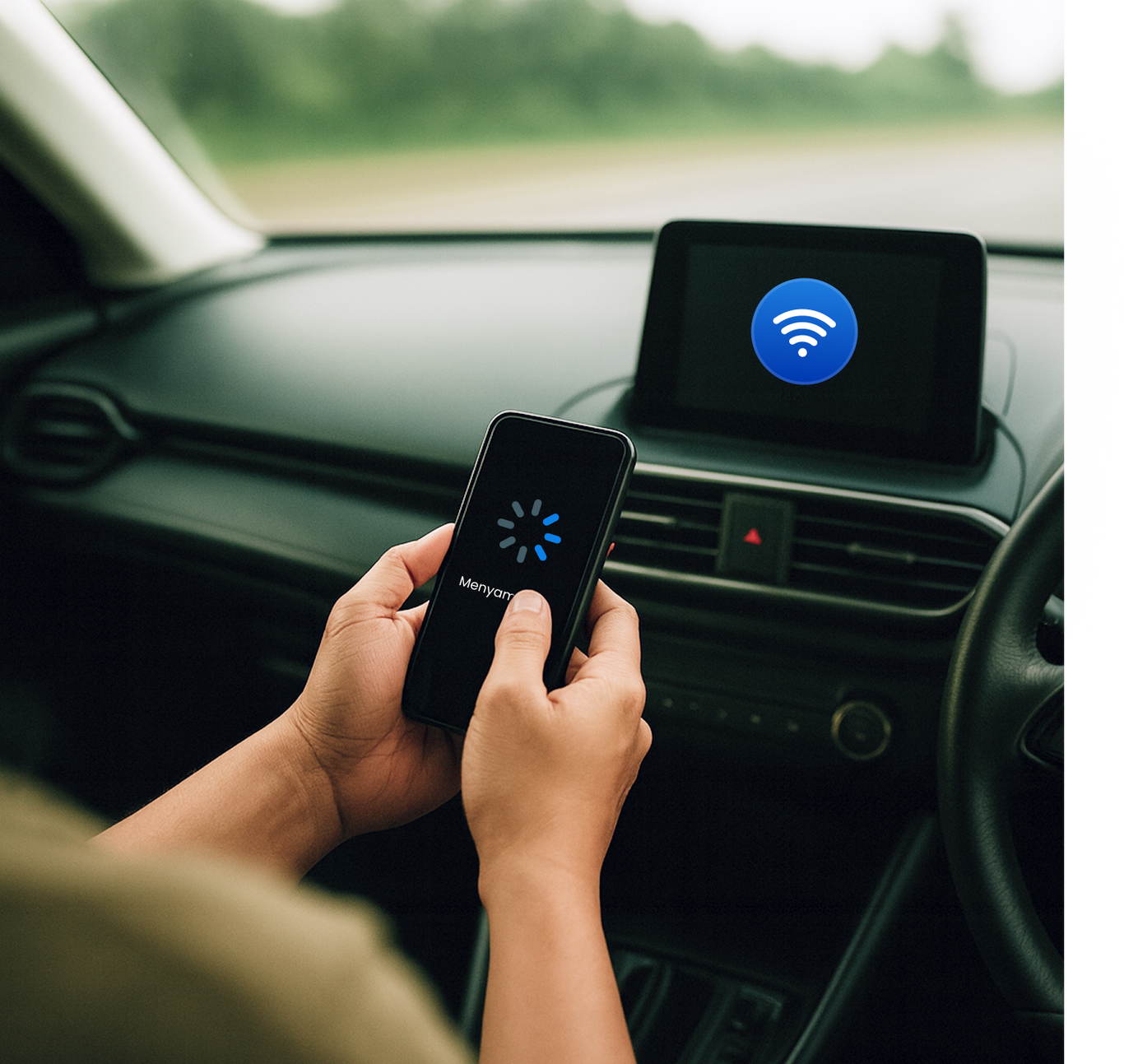
For businesses looking to optimize transportation operations and accelerate the adoption of smart mobility, LinkCar by Telkomsel Enterprise offers an innovative solution. With e-SIM and IoT-enabled vehicle connectivity, LinkCar helps businesses improve efficiency and provide smarter mobility experiences.
By leveraging such technologies, LinkCar by Telkomsel Enterprise, Indonesia is moving closer to a future where transportation is more connected, efficient, and sustainable.
For more information on how LinkCar can help your business integrate smart mobility, feel free to start a consultation today.