



What is intranet? An intranet is a secure internal network solution designed to manage communication systems, information sharing, and daily business operations within an organization. For many companies, an intranet system is more than just a private network because it plays a vital role in supporting team collaboration, streamlining information distribution, and improving overall business process management across departments.
To maximize its benefits, businesses need to continuously optimize intranet performance, especially in terms of network connectivity, system reliability, and data security. A well-managed intranet not only improves operational efficiency but also helps organizations maintain secure communication, faster workflows, and better productivity in today’s increasingly digital business environment.
What Is Intranet?
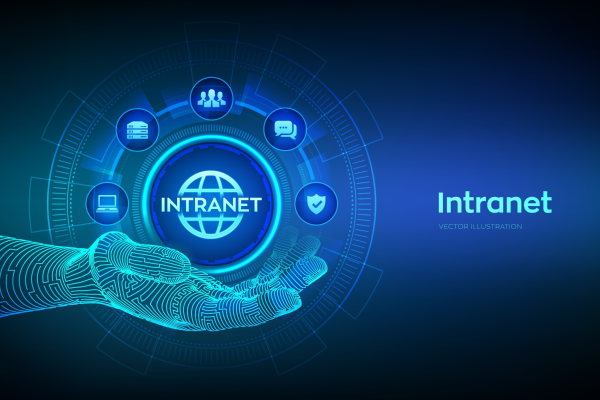
What is intranet? An intranet is a private computer network used by organizations to share information, resources, and internal communication securely within the company environment. Unlike public networks, an intranet can only be accessed by authorized users such as employees, management teams, or approved internal stakeholders.
An intranet system typically uses internet-based technologies such as TCP/IP protocols, but access is restricted to internal organizational use only. Through this system, businesses can provide various internal services including information portals, document management systems, collaboration platforms, employee dashboards, and internal business applications.
Simply put, an intranet acts as the foundation of digital communication inside a company. It connects departments, teams, and employees into one integrated ecosystem that supports operational efficiency and business productivity.
The Difference Between What Is Intranet vs Internet
Many people often confuse the two because both use similar networking technologies. However, understanding the difference between internet and intranet is essential for businesses that want to build secure and efficient communication systems.
Network Type
The internet is a global public network that connects millions of devices worldwide. Meanwhile, an intranet is a private network designed specifically for internal organizational use.
Accessibility
Anyone with an internet connection can access the internet. On the other hand, intranet access is limited only to users with proper credentials and authorization.
Users
Internet users are unlimited and public. In contrast, an intranet is mainly used by employees, executives, and internal company personnel.
Security
An intranet system generally offers higher security because access is restricted and protected by internal security mechanisms. Although the internet also uses security protocols, its open nature makes it more vulnerable to cyber threats and unauthorized access.
Functions of Intranet in Business
Within a company environment, the primary functions of an intranet include the following:
1. Centralized Information and Documentation Access
An intranet allows organizations to store important documents such as company policies, SOPs (Standard Operating Procedures), work guidelines, reports, and operational files in one centralized location.
This centralized approach makes it easier for employees to search and retrieve information without going through time-consuming manual processes. In addition, documents can be updated in real time, ensuring employees always access the latest and most accurate information.
As a result, businesses can minimize operational errors caused by outdated data and improve overall workflow efficiency.
2. Internal Communication Platform
One of the most important functions of an intranet system is supporting internal communication. Businesses can integrate multiple communication tools into one platform, including internal email systems, discussion forums, team chats, employee announcements, and company-wide notifications.
This reduces dependency on external communication tools that may not offer sufficient security protection. Since all conversations and information exchanges occur within a controlled environment, organizations can maintain better confidentiality and communication management.
3. Improved Team Collaboration
An intranet creates a digital workspace where employees from different departments can collaborate effectively through a single platform. Features such as file sharing, collaborative editing, project management tools, and discussion channels simplify coordination regardless of physical location.
This capability is especially valuable in today’s hybrid and remote working environments. Teams can remain connected, productive, and aligned even when working from different locations.
Effective collaboration ultimately enhances work quality, accelerates project completion, and encourages innovation across departments.
4. Increased Employee Engagement
Modern intranet systems are no longer limited to operational functions. They also help improve employee engagement and company culture.
Interactive intranet portals allow employees to participate in internal activities such as surveys, feedback programs, idea-sharing sessions, and company initiatives. Businesses can also use the platform to communicate company values, recognition programs, and internal events.
With better transparency and employee involvement, organizations can create a stronger sense of belonging and improve workforce morale.
5. Supporting Internal Business Processes
Another major function of an intranet is integrating various business operations into one centralized system. An intranet can connect with multiple enterprise applications such as HR systems for employee management, financial systems for budgeting and accounting, or operational systems for daily business activities.
This integration creates smoother workflows because employees can access and process data without constantly switching between platforms. It also reduces manual input errors while supporting faster, data-driven decision-making.
Essentially, an intranet serves as the main connector that unifies different business functions into one integrated digital ecosystem.
What Are the Components of an Intranet?
To operate effectively, an intranet relies on several important components. If you are wondering, what are the components of an intranet, here are the key elements:
Intranet Portal
The portal acts as the primary interface where employees access various intranet services and applications. Most modern portals are designed with user-friendly interfaces to improve accessibility and user experience.
Security System
Security is one of the most critical components of an intranet system. This includes user authentication, access control, data encryption, firewalls, fonitoring and threat detection systems
These mechanisms help prevent unauthorized access and protect sensitive company information.
Database and Repository
An intranet stores company files, records, and operational data within centralized databases or repositories. This ensures information remains organized, accessible, and continuously updated.
Application Integration
Modern intranet platforms often integrate with essential business software such as ERP systems, CRM tools, communication apps, and workflow management platforms. This integration enables smoother operations and a more seamless digital work environment.
What Is the Benefit of an Intranet for Business?
Businesses that implement a reliable intranet system can experience significant operational and strategic advantages. Below are some of the biggest benefits:
1. Better Internal Data Security
One of the strongest advantages of an intranet is its enhanced security compared to public networks. Since access is limited to authorized users, sensitive company information remains better protected from external threats.
Additional security layers such as encryption, firewalls, and user authentication further reduce the risk of data breaches. If security incidents occur, companies can also track activities more easily because all actions are recorded within the system.
2. Improved Operational Efficiency and Cost Savings
Digitizing workflows through an intranet significantly reduces dependence on manual processes. Document distribution, approvals, and information sharing can all happen digitally instead of relying on printed paperwork.
This helps businesses save operational costs related to paper, printing, storage, and physical distribution while accelerating daily workflows. Tasks that previously took days can now be completed within minutes.
3. Faster Information Access Across Departments
Large organizations often face communication delays due to fragmented information systems. An intranet solves this problem by offering centralized access to business information.
Employees no longer need to manually request documents or wait for updates from other departments. Faster information flow improves coordination, productivity, and decision-making across the organization.
4. Enhanced Team Collaboration
Collaboration features such as shared workspaces, project tracking, and team discussions allow employees to work together more efficiently.
This collaborative environment encourages faster idea exchange, greater innovation, and improved work quality. Over time, it helps strengthen organizational competitiveness in rapidly evolving markets.
5. Performance Monitoring and Analytics
An intranet also allows businesses to monitor employee activities and operational performance more systematically. Tasks, workflows, and system usage can all be tracked and analyzed.
These insights help organizations evaluate productivity, identify operational bottlenecks, and create more effective performance improvement strategies.
6. Business Trend Identification
The data collected within an intranet system can also help businesses identify operational and behavioral trends. Organizations can analyze employee needs, workflow changes, communication patterns, and system usage behavior to support strategic planning and business adaptation.
With accurate analytics, businesses can respond to market changes more quickly and maintain competitive advantages.
7. Strengthening Company Culture and Business Values
An intranet is not only a technical tool but also a communication platform that reinforces company culture.
Organizations can use the platform to consistently share their vision, mission, values, achievements, and internal initiatives with employees. Businesses can also recognize employee contributions and promote internal engagement programs.
Open and transparent communication helps employees feel more connected to the company, ultimately improving loyalty and workplace culture.
Challenges in Intranet Implementation
Despite its many advantages, implementing an intranet system also comes with challenges. One of the biggest issues is network dependency.
An intranet requires stable and high-speed connectivity to support communication, application integration, and real-time collaboration. Poor network quality can disrupt workflows, document access, and operational efficiency.
Another challenge is scalability, especially for companies with multiple branches or distributed workforces. Businesses also need strong cybersecurity systems to protect internal data from both external and internal threats.
Private Network Solution by Telkomsel Enterprise for Secure Intranet Implementation
Deploying a robust internal network demands infrastructure that guarantees speed, reliability, and uncompromising security. That’s where Private Network by Telkomsel Enterprise steps in as the definitive solution. Engineered to eliminate connectivity bottlenecks and shield sensitive corporate data, this dedicated infrastructure ensures your internal platform runs flawlessly across all locations.
With guaranteed bandwidth, isolated routing, and enterprise-grade encryption, teams experience zero disruptions while management maintains absolute control over data sovereignty.
Ready to transform how your organization communicates, collaborates, and scales? Upgrade your corporate network today with Telkomsel Enterprise’s Private Network. Empower your workforce with lightning-fast access, fortify your digital assets, and build a future-ready workplace that drives measurable business growth.