




In the mining industry, the implementation of a comprehensive system for managing health, safety, and the environment is not negotiable. This is precisely why understanding what is HSE (Health, Safety, and Environment) serves as a critical foundation for mining companies to protect their workforce, preserve the environment, and ensure operations run safely, efficiently, and sustainably.
Mining is known as one of the most hazardous industries, involving high-risk activities and complex operational challenges. From exploration, production, to the processing of mineral resources, mining operations engage in heavy machinery, hazardous materials, extreme environmental conditions, and direct interactions with nature. So, how does HSE serve as a protective shield for mining workers?
What is HSE in Industry?
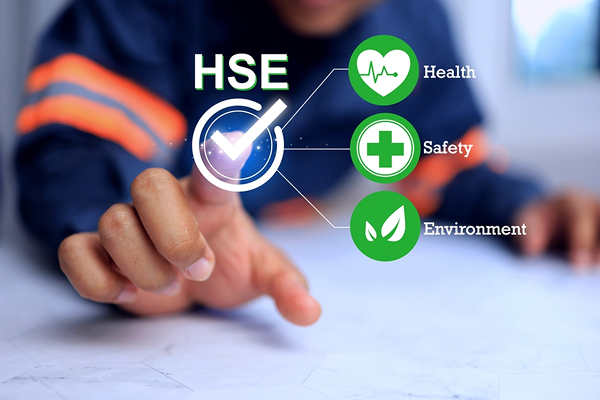
HSE stands for Health, Safety, and Environment, a management system designed to control risks related to workplace health, worker safety, and environmental impacts from company operations. Within the corporate context, HSE is not merely a procedure or an administrative obligation, rather it is a comprehensive approach integrated into every business process.
Furthermore, HSE acts as a guideline encompassing policies, standards, procedures, and work practices aimed at preventing work accidents, occupational diseases, and environmental damage. In the mining industry, HSE plays a crucial role because the characteristics of its activities are high-risk and have the potential to cause significant impacts, both for workers and the surrounding environment.
Objectives of HSE Implementation
The implementation of HSE within a company, particularly in the mining industry, serves several key objectives, all of which are interrelated:
-
Employee Safety
The primary goal of HSE is to safeguard the safety of employees by mitigating the risks of work-related accidents. Through stringent safety protocols, the use of personal protective equipment (PPE), and strict supervision, companies aim to reduce the likelihood of accidents that could lead to severe injuries or fatalities.
-
Employee Health
Beyond safety, HSE also strives to protect workers' health from both short-term and long-term hazards, such as exposure to dust, noise, vibrations, and hazardous chemicals. This is achieved through regular health monitoring, environmental control measures, and training on safe working practices.
-
Environmental Protection
Mining activities have the potential to significantly impact the environment, from water and air pollution to land degradation. HSE ensures that all operational activities adhere to environmental protection standards, focusing on the sustainability of ecosystems and the minimization of ecological footprints.
The Strategic Role of HSE
In mining operations, HSE plays an essential and strategic role that directly influences the company’s overall performance. Its functions and responsibilities include:
-
Compliance with Regulations and Standards
One of the core functions of HSE is ensuring that the company complies with government regulations and international standards. This compliance is crucial to avoid legal penalties, fines, or the suspension of operations.
-
Boosting Efficiency and Productivity
A safe and healthy working environment allows employees to focus better and be more productive. By reducing accidents and health-related disruptions, companies can minimize downtime, thereby improving operational efficiency.
-
Improving Worker Health and Safety
HSE also plays a role in designing and implementing a comprehensive workplace safety system, from hazard identification to risk control measures. This contributes to a safer working environment for all employees.
-
Sustainable Workplace Management
Through HSE, companies can manage environmental impacts systematically, covering waste management, land reclamation, and emissions control. This approach supports long-term sustainability in the mining industry.
-
Enhancing Company Reputation
Companies that effectively implement HSE policies are perceived as responsible and professional. This positive image helps build trust with stakeholders, including investors, governments, and the public.
-
Continuous Evaluation and Improvement
HSE encourages companies to regularly assess their health, safety, and environmental performance. Through these evaluations, continuous improvements are made to operational standards.
-
Creating a Safety Culture
One of HSE’s key roles is to foster a culture of safety within the workplace. This is reflected in the awareness of all employees to prioritize safety and health in every task.
Benefits of Implementing HSE
The implementation of HSE brings a variety of tangible benefits to mining companies, such as:
-
Reducing Losses and Operational Costs
As the frequency of accidents and environmental incidents decreases, companies can reduce costs related to repairs, worker compensation, and operational shutdowns. In other words, the financial burden of operational disruptions is minimized.
-
Protecting Workers
HSE ensures that employees are protected from work-related risks, both physically and in terms of long-term health. This optimal protection not only enhances worker safety but also promotes employee well-being and strengthens employee loyalty.
-
Boosting Reputation and Trust
A company consistently adhering to HSE principles earns a positive reputation in the eyes of the public and stakeholders. This trust can serve as a solid foundation for business growth.
-
Streamlining Work Processes
With clear and standardized HSE procedures in place, all mining activities can be executed more systematically and under controlled conditions. This minimizes the potential for errors, improves adherence to procedures, and supports the overall quality and sustainability of operations.
-
Supporting Sustainable Business Practices
HSE is a system that encourages companies to run businesses responsibly by considering social and environmental aspects. This advantage will support business sustainability in the long term.
-
Easier Audits and Licensing
Proper HSE documentation and systems simplify the audit process and licensing arrangements because the company has met the required standards. Compliance with work safety standards, environmental protection, and worker health shows the company's readiness administratively and operationally in front of auditors and licensing authorities.
Core Principles of Effective HSE Implementation
For HSE to be implemented effectively, there are several basic principles that must be executed. Among them are:
-
Hazard and Risk Control
HSE emphasizes controlling hazards from the planning stage to minimize risks before activities begin.
-
Continuous Improvement
The HSE system must be evaluated and enhanced regularly, keeping up with technological advancements, regulatory changes, and operational conditions.
-
Hazard Identification and Risk Assessment
Identifying hazards and assessing risks is the first step in implementing HSE. This helps in determining appropriate control measures.
-
Participation and Consultation
Worker involvement in the HSE process is essential. Their active participation ensures a sense of ownership and enhances the effectiveness of the system.
HSE vs. K3: Understanding the Difference
Although the terms HSE and OHS (Occupational Health and Safety, or K3 in Indonesian) are often used interchangeably, they have fundamental differences in terms of scope and management approach. OHS (K3) focuses on:
-
Worker safety
-
Preventing workplace accidents
-
Preventing occupational diseases
-
Compliance with labor regulations
K3 is generally implemented at the company level and revolves around operational aspects, such as the use of PPE and regular health checks for employees. In essence, K3 prioritizes the protection of individual workers to ensure they work in a safer, healthier environment.
HSE, however, has a broader, more holistic approach, focusing on:
-
Health: both short-term and long-term health of workers
-
Safety: preventing accidents and ensuring workplace safety
-
Environment: protecting and managing environmental impacts
In HSE, companies are responsible not only for the safety of their workers but also for the environmental consequences of their operations, such as pollution and ecosystem damage. HSE is a development of K3 that incorporates environmental and sustainability aspects into the company’s management system.
In mining, this distinction is significant due to the potential environmental and social impact of operations, emphasizing the importance of a broader approach like HSE.
Implementing HSE in the Mining Sector
In practice, implementing HSE in mining requires a systematic and integrated approach across all stages of operations, from exploration to post-mining activities. The key actions include:
-
Establishing Clear HSE Policies and Standards
An essential first step that provides a guideline for all workers and stakeholders, forming the foundation for operational procedures, responsibilities, and performance targets.
-
Routine HSE Training and Socialization
Regular training to raise awareness and competence among workers. This includes educating them about potential hazards, proper PPE usage, and emergency response procedures, fostering a culture of safety and environmental concern.
-
Frequent Inspections and Field Supervision
Regular inspections ensure that operational activities comply with the established safety and environmental standards. Consistent monitoring helps identify risks early before they escalate into serious incidents.
-
Waste Management and Environmental Monitoring
Regular monitoring of environmental quality ensures that mining operations do not exceed permissible limits of impact. Effective waste management prevents contamination of land, water, and air.
All these activities must be integrated and supported by an effective HSE monitoring system. With a reliable monitoring system, companies can better manage risks, make data-driven decisions, and improve response times to potential hazards.
Optimizing HSE with Telkomsel Enterprise’s Connected Worker
Managing HSE in mining is now more streamlined with systematic approaches and the support of technology. Telkomsel Enterprise presents the Connected Worker solution, a digital platform that allows real-time monitoring of workers. With an integrated dashboard, your company can:
-
Quickly identify operational issues
-
Monitor worker conditions in real-time
-
Receive automatic safety alerts
The Connected Worker solution enhances HSE monitoring, improves the response to potential hazards, and fosters a safer, more controlled mining environment.
Strengthen your company’s HSE implementation now and optimize safety, health, and sustainability with Connected Worker from Telkomsel Enterprise!