




Have you ever felt uneasy about losing control over your vehicles, whether due to route deviations, unauthorized usage, or even theft risks? Imagine the loss of time, money, and reputation if your fleet doesn’t operate as planned.
That’s where geofencing comes into play, a smart solution designed to bring transparency, control, and efficiency to modern fleet operations.
But before diving deeper, let's explore: what is geofencing, and how can it benefit your business?
What is Geofencing?
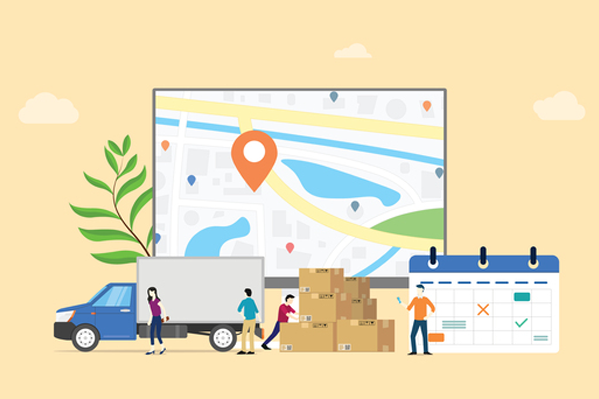
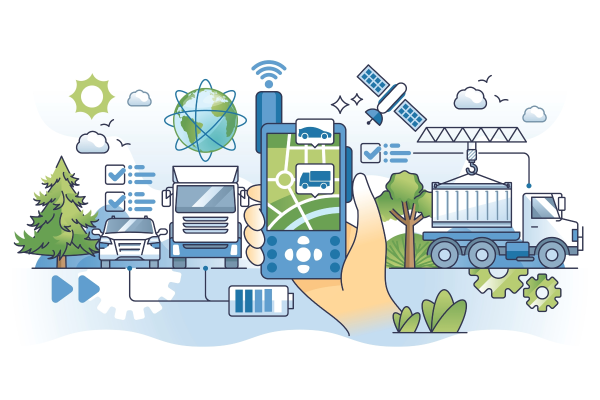
If you're wondering what geofencing is, picture it as a virtual fence created around a real-world area using GPS or other location-based technology. Geofencing is a smart technology that creates a programmable digital boundary around a specific location.
Once these virtual perimeters are set up, any entry or exit by a tracked asset, like a delivery truck or service vehicle triggers automated actions. These may include sending alerts, logging timestamps, or initiating workflows. For example, if a company vehicle enters an unauthorized zone, fleet managers receive instant notifications, giving them the power to respond swiftly.
This level of precision makes geofencing a game-changer in logistics, transportation, and asset management industries.
Benefits of Geofencing in Fleet Management
For businesses relying on logistics, transportation, or delivery, geofencing applications in business extend far beyond simple location tracking. Here are some of the most impactful benefits:
1. Real-Time Automated Monitoring
Gone are the days of staring at screens for hours just to check on vehicle locations. Geofencing automates surveillance, so you don’t have to micromanage the situation.
Instead of manually tracking every movement, GPS-based geofencing does the work. You’ll only get alerts when vehicles enter or leave set zones. Meanwhile, you can focus on high-priority tasks without constantly checking in.
2. Significant Reduction in Operational Costs
Geofencing plays a crucial role in reducing operational costs. By monitoring driving behaviors and route adherence, companies can eliminate inefficiencies such as unnecessary detours, idle times, and fuel waste.
These insights lead directly to reduced fuel consumption, optimized labor hours, and better overall fleet performance, making geofencing advantages both measurable and meaningful.
3. Enhanced Security and Asset Control
Concerned about asset misuse? Geofencing acts like a virtual supervisor. With automated restrictions in place, vehicles can only operate within approved zones, and all driver activities are accurately recorded.
Real-time alerts also act as early warnings, giving you time to take action before incidents escalate, whether it’s unauthorized movement or potential theft.
4. Encouraging Disciplined Driving Habits
When everyone knows their movements are monitored through digital boundaries, there’s less chance of straying off-route, whether intentional or accidental.
This subtle pressure fosters discipline, encouraging on-time deliveries, and adherence to operational policies. Over time, it has resulted in better organization, fewer violations, and reduced overhead.
How Does Geofencing Work in Fleet Management?
So how does geofencing work in real-life fleet management scenarios? Below is a step-by-step breakdown of how does geofencing works, showing how this technology operates from setup to real-time control.
1. Selecting Key Locations to Monitor
It all begins with defining the locations that matter to your business. This could be a distribution warehouse, key customer locations, high-risk zones, or specific delivery routes.
Using geofencing software, you mark these areas with digital coordinates. These zones form the foundation for your virtual perimeter, but the exact area your fleet will be monitored in.
2. Building the Virtual Fence with Geofencing Software
Once zones are selected, geofencing uses GPS data and mapping tools to build digital boundaries. You can create single or multiple zones to cover warehouses, delivery paths, or even regional branches.
Whether you’re monitoring just a few locations or dozens across cities, this system adapts to your operational complexity. You can scale it based on how much oversight you need.
3. Real-Time Vehicle Tracking Inside and Outside the Zones
With geofencing active, vehicles equipped with GPS trackers are constantly monitored. The system records any movement into or out of the defined zones in real time.
This live tracking data is accessible via apps or dashboards, showing you exact locations, timestamps, and route histories. You’re always informed without manually checking in.
4. Receiving Instant Alerts for Immediate Action
Here’s where geofencing really shines instant notifications. If a vehicle strays from its path, enters an unauthorized area, or idles too long, you’ll be notified immediately.
These alerts, sent via app, email, or SMS, let you act fast. Whether it’s calling the driver for clarification or taking security measures for potential misuse, quick action minimizes risks and delays.
5. Integrating with Fleet Management Systems
When integrated with fleet management platforms, geofencing becomes even more powerful. Now you can use its data for route optimization, delivery verification, and fuel usage analysis.
Advanced platforms even allow you to enforce remote commands. like disabling a vehicle if it exits a safe zone. This integration turns geofencing into a strategic decision-making tool, not just a monitoring system.
Embracing the Future of Fleet Management with Geofencing
As logistics and transportation evolve, geofencing empowers businesses to manage fleets with greater intelligence, responsiveness, and safety. When paired with advanced solutions like FleetSense from Telkomsel Enterprise, the possibilities expand further.
With FleetSense, you can draw digital zones, monitor your fleet live, and get alerts when vehicles enter or leave specific locations. This ensures tighter control and discourages misuse.
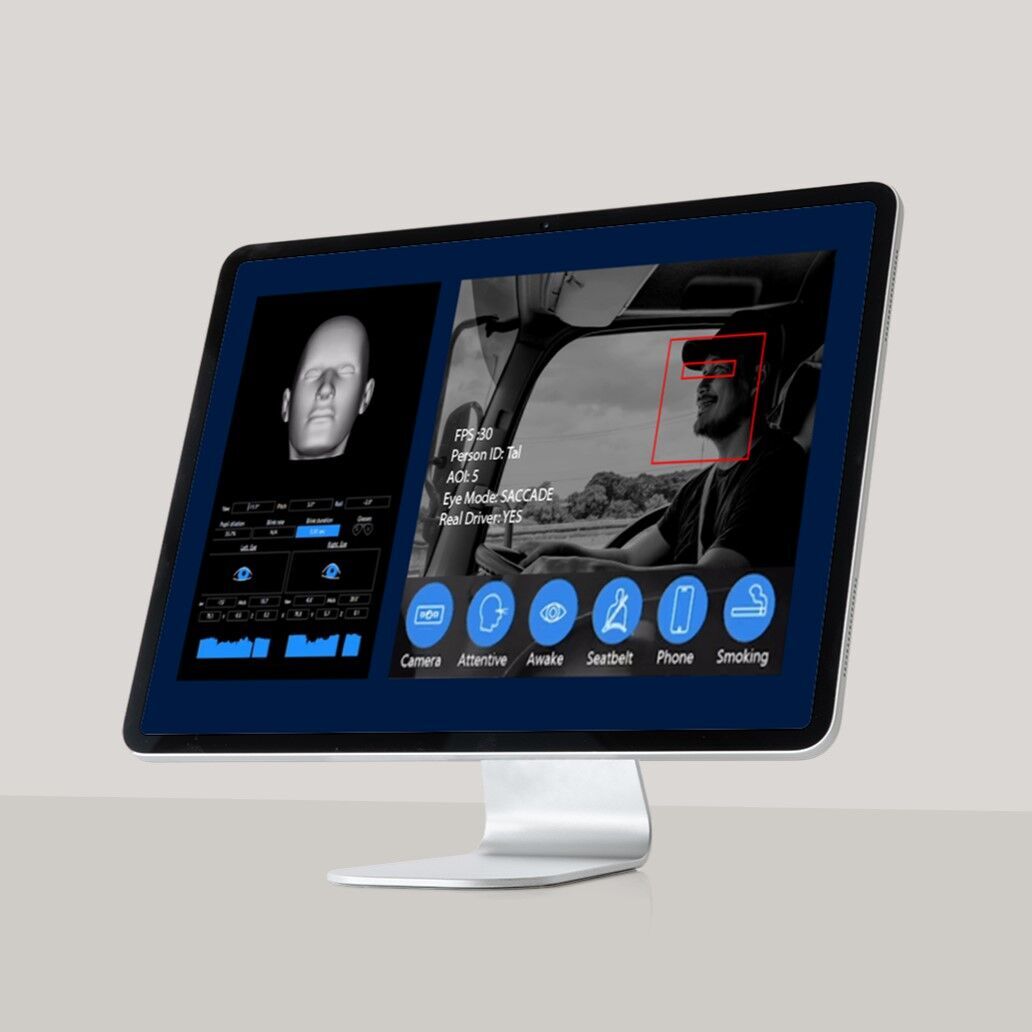
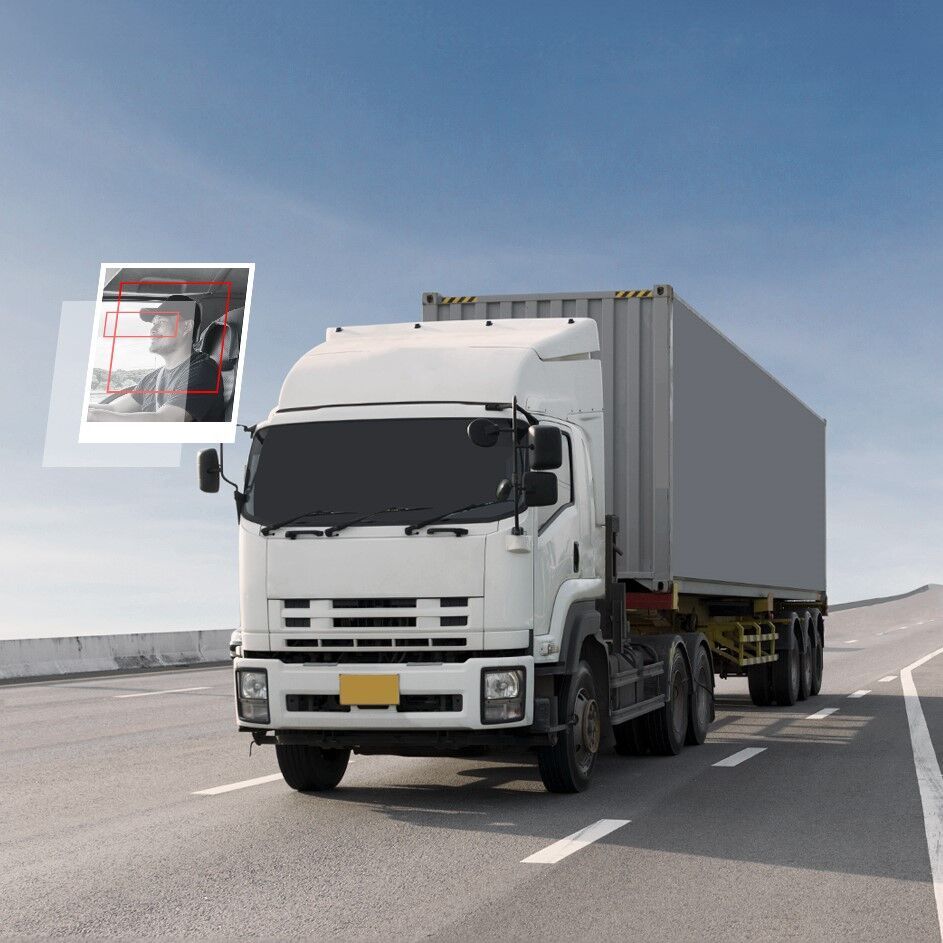
Even better, FleetSense adds AI-powered driver behavior detection, including signs of fatigue or distracted driving. Combined with dashcam footage, this creates a safety-first culture backed by visual evidence.
Thanks to its robust integration, geofencing in FleetSense not only protects assets but also streamlines routes, enhances safety, and cuts unnecessary costs.
Why delay the shift toward smarter fleet management? Take the lead with geofencing technology and tools like FleetSense, your key to better efficiency, security, and operational control.
Contact us today to learn how you can improve your fleet strategy.