




Losing control over vehicle locations, inefficient fuel usage, and real-time driver performance monitoring issues are every fleet manager’s worst nightmare. While the consequences may not be immediately visible, these problems can significantly inflate operational costs and heighten security risks.
Enter fleet telematics systems, an advanced technological solution offering businesses greater oversight and smarter decision-making tools. So, what is a fleet telematics system, and how can it reshape your operational strategy? Let’s dive into the details.
What is a Telematics System in Vehicle Fleet Management?
Telematics is the integration of telecommunications and informatics. In the context of fleet management, this technology connects each vehicle with a central control system using GPS, onboard sensors, and mobile data networks.
The result? Real-time visibility and two-way communication between the vehicle and command center.
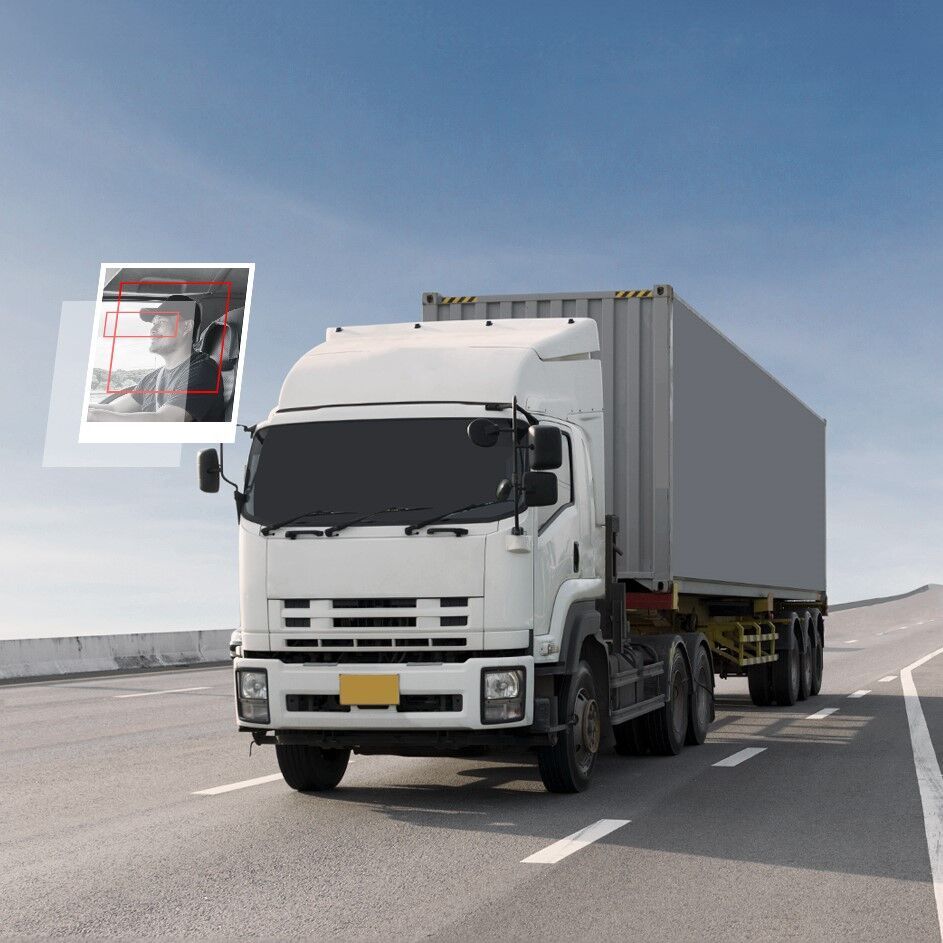
But it goes far beyond just knowing where your vehicles are. A robust fleet telematics system also tells you how your vehicles are being driven, the health of the engine, and how efficiently fuel is being consumed. You’re not just tracking locations, but you’re analyzing behavior, performance, and operational risks, all from a distance.
How a Fleet Telematics System Works?
Setelah memahami apa itu telematika, pertanyaan berikutnya adalah bagaimana sistem ini bekerja, khususnya dalam manajemen armada kendaraan? Fleet telematics system berfungsi sebagai penghubung vital antara lapangan dan ruang kendali manajemen armada. Berikut cara sistem ini beroperasi:
1. Installation of Onboard Devices
Every fleet telematics system begins with installing specialized hardware inside each vehicle. These include:
-
GPS Trackers: For continuous vehicle tracking and location reporting.
-
Engine Interface Modules: To read critical data like engine temperature, RPM, and diagnostic alerts.
-
Accelerometers: To detect sudden braking, sharp turns, or aggressive acceleration.
-
SIM Cards & Communication Modules: To transmit collected data via cellular networks in real-time.
2. Real-Time Data Collection
Once the device is active and the vehicle is operating, the system will start recording various types of data automatically, for example:
-
Vehicle position and movement history
-
Driver behavior, including speeding and sudden stops
-
Engine performance and potential mechanical issues
-
Fuel consumption and idling time that might waste fuel
3. Transmitting Data to the Central Platform
The data gathered by sensors and GPS units isn’t stored in the vehicle. It’s immediately sent to a centralized server using the mobile internet connection. This ensures that the information you access is accurate and always up to date.
4. Processing and Analyzing the Data
Once received, the raw data is processed through intelligent software. Complex figures are transformed into digestible reports, charts, and alerts, enabling faster, smarter decisions without wading through technical jargon.
5. Access via Dashboard or Mobile App
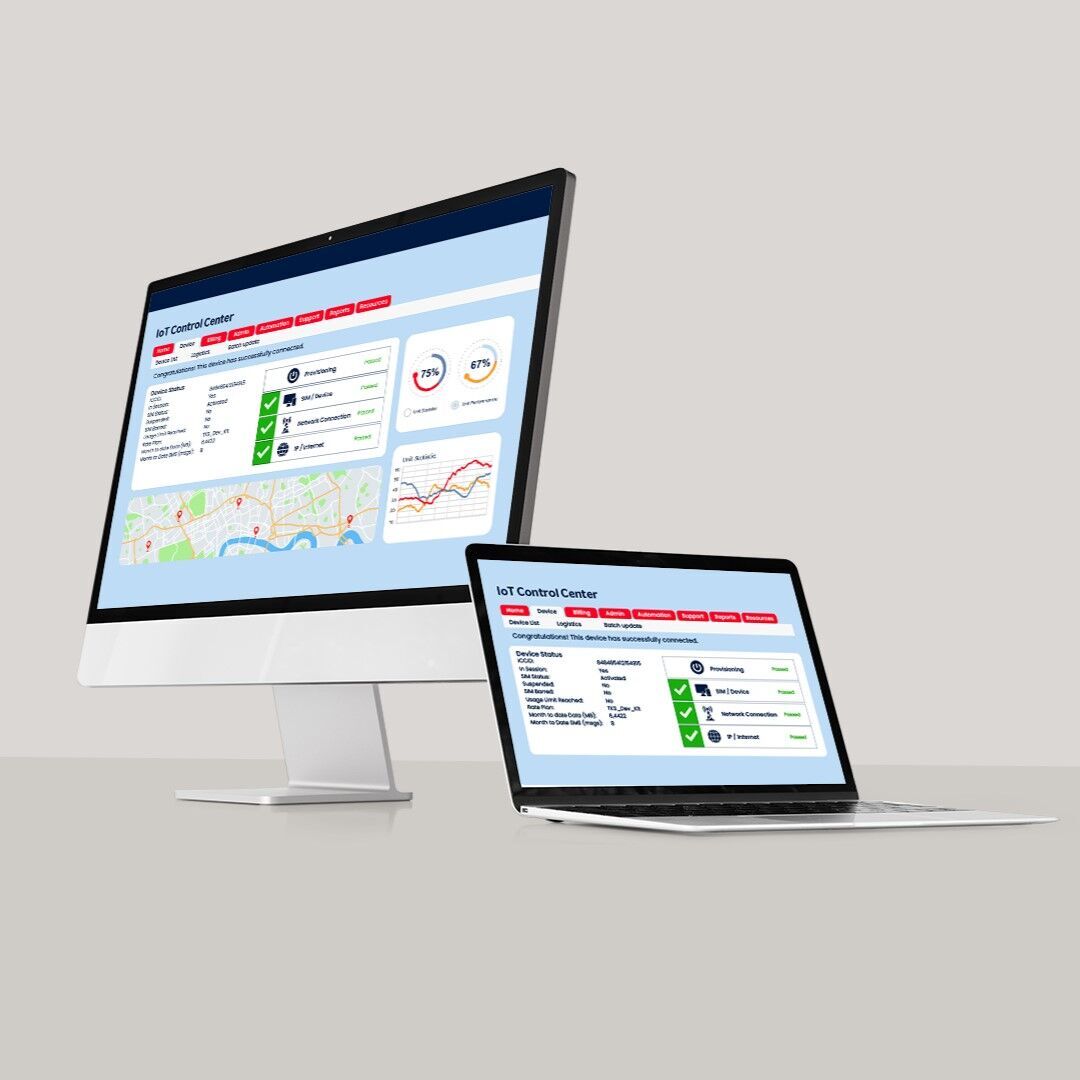
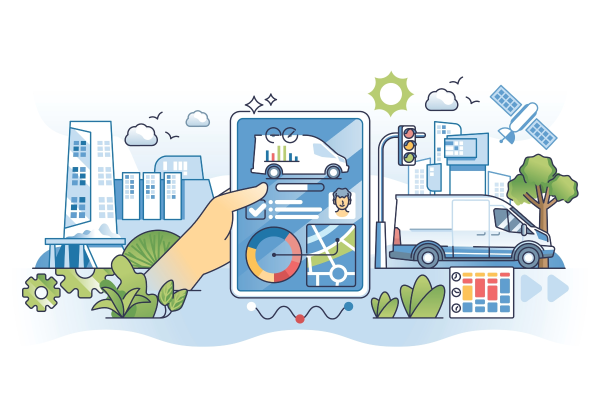
Fleet managers can log into an intuitive dashboard or mobile app to monitor everything from vehicle health to driver conduct. You can review current locations, schedule maintenance, reroute vehicles, and manage fuel costs, all from a single interface.
Key Components of a Fleet Telematics System
A complete fleet telematics system is a synergy of advanced tools, all working together to create an efficient, safe, and data-driven fleet operation. Below are the key components of a fleet management system:
1. GPS Tracking
Global Positioning System (GPS) serves as the backbone of fleet visibility. It provides real-time location updates, historical route data, and route optimization capabilities. With GPS, fleet managers can ensure timely deliveries and efficient routing.
2. Vehicle Sensors
Integrated sensors capture vital vehicle parameters such as fuel levels, engine temperature, tire pressure, and more. These sensors allow for predictive maintenance and early detection of potential mechanical failures.
3. Data Communication Network
For all components to communicate with each other, a reliable communication channel is required. This is where data communication comes in.
This system ensures that data from GPS and sensors can be sent directly to central software for analysis or decision-making.
4. Telematics Software and Analytics
Software platforms transform raw vehicle and driver data into actionable insights. You can identify trends, evaluate driver performance, and streamline operations through interactive reports and visual dashboards.
5. Geofencing
Geofencing enables virtual boundaries around specific geographic areas. If a vehicle enters or exits a designated zone, automated alerts are sent. This feature enhances security, prevents unauthorized use, and ensures compliance with delivery zones.
Choosing the Right Fleet Telematics System with FleetSense by Telkomsel Enterprise
FleetSense is designed to offer smart fleet management powered by AI. It gives you a 360-degree view of your fleet’s performance, from route efficiency and driver behavior to fuel consumption. All accessible through a single, streamlined platform.
With FleetSense, your decisions are no longer based on assumptions. They're backed by real data, fast, accurate, and actionable. Whether you’re running a logistics company, delivery service, or government fleet, FleetSense gives you the tools to manage smarter and scale faster.
Don’t let outdated fleet practices hold your business back. Step into the future of fleet management with intelligent, scalable, and secure telematics solutions.
Contact us now to learn more and start transforming your fleet operations.