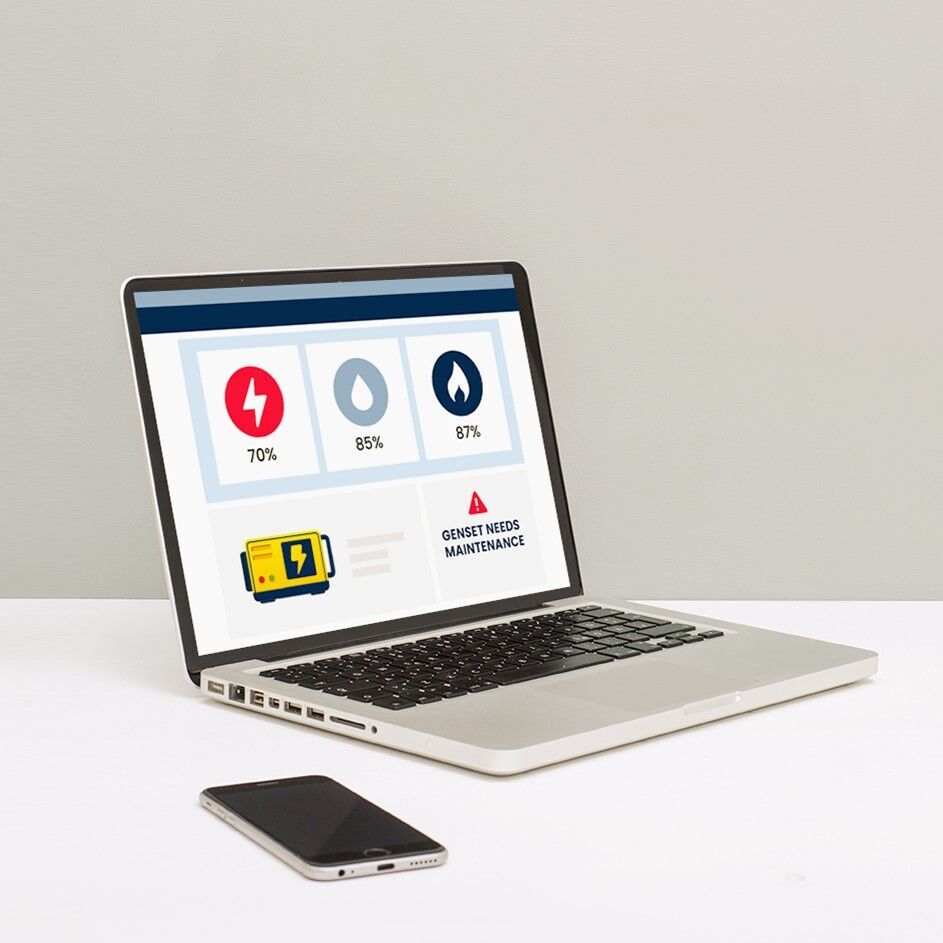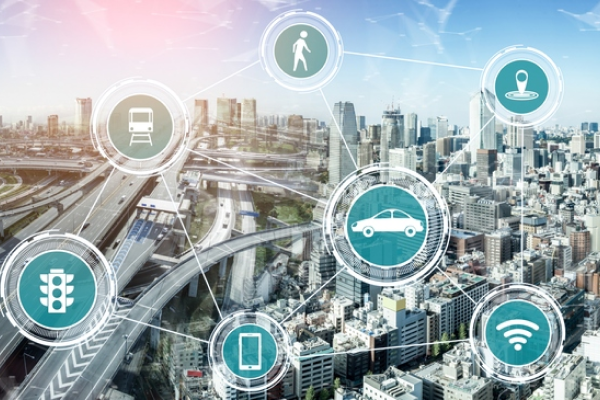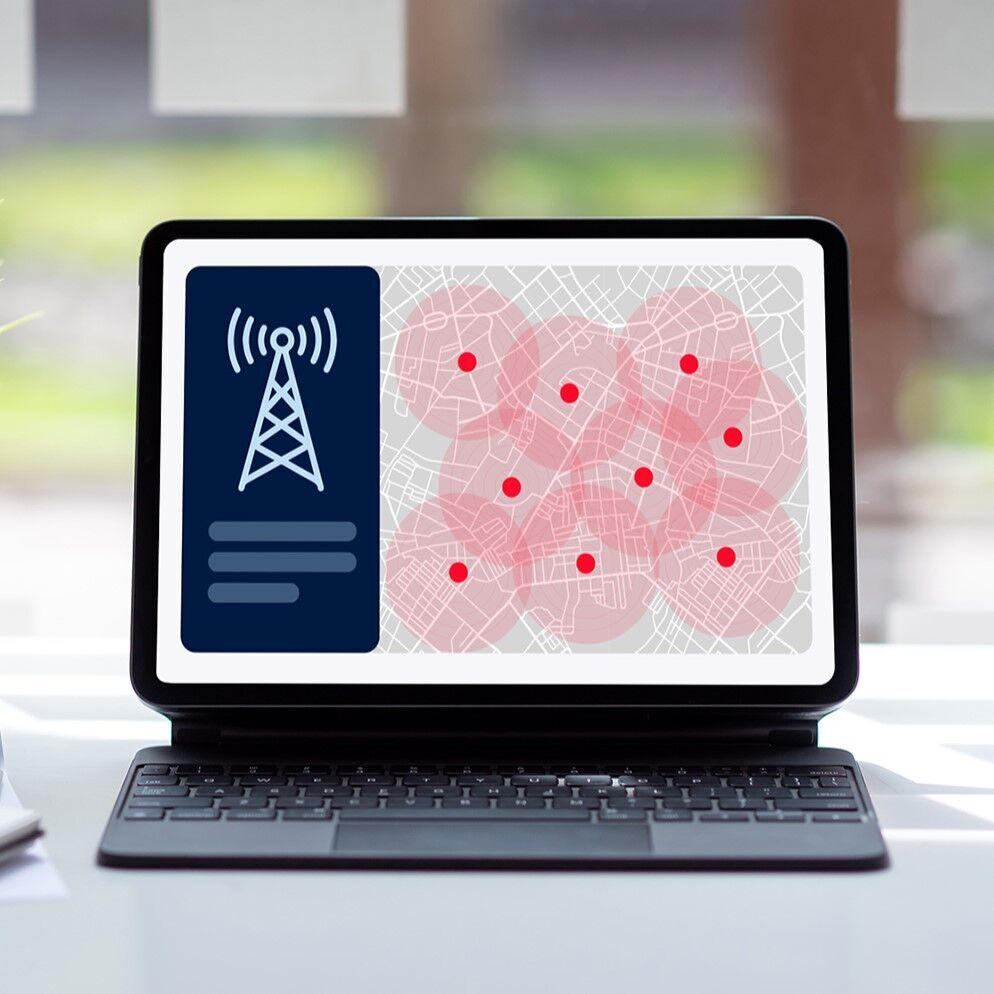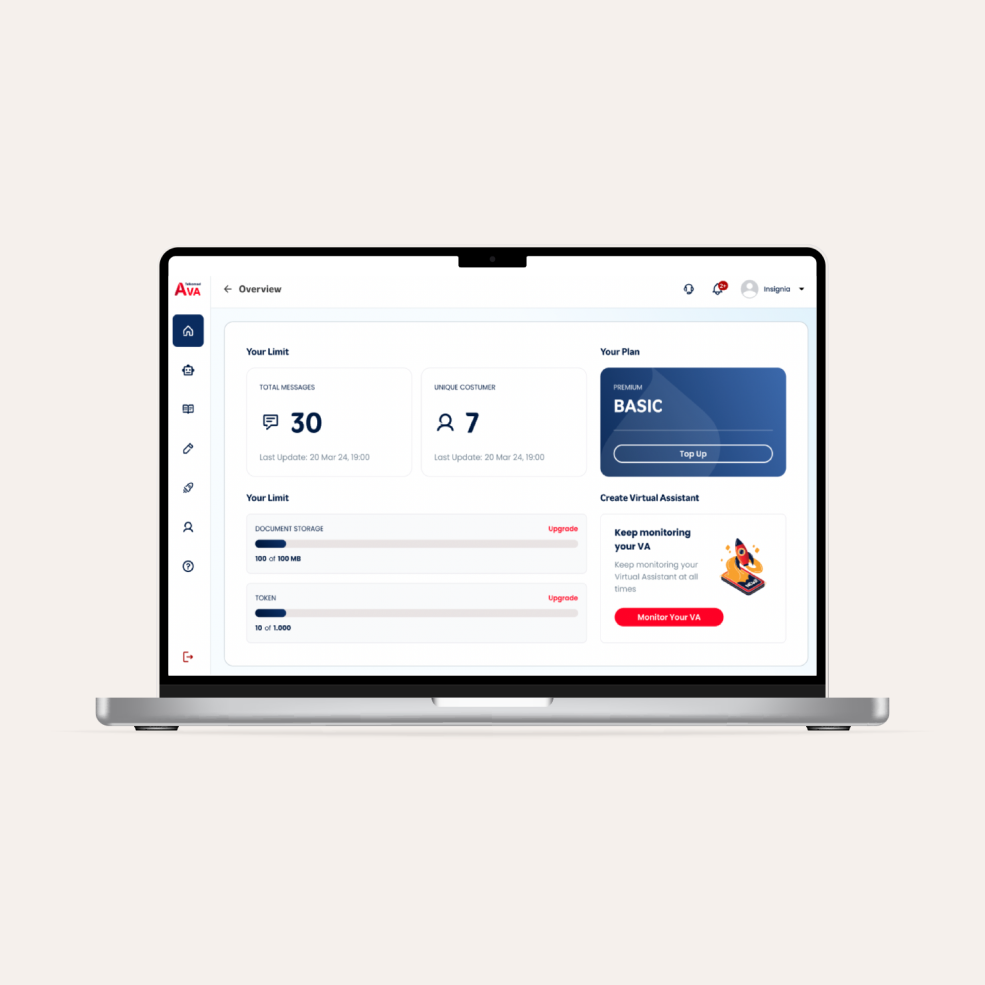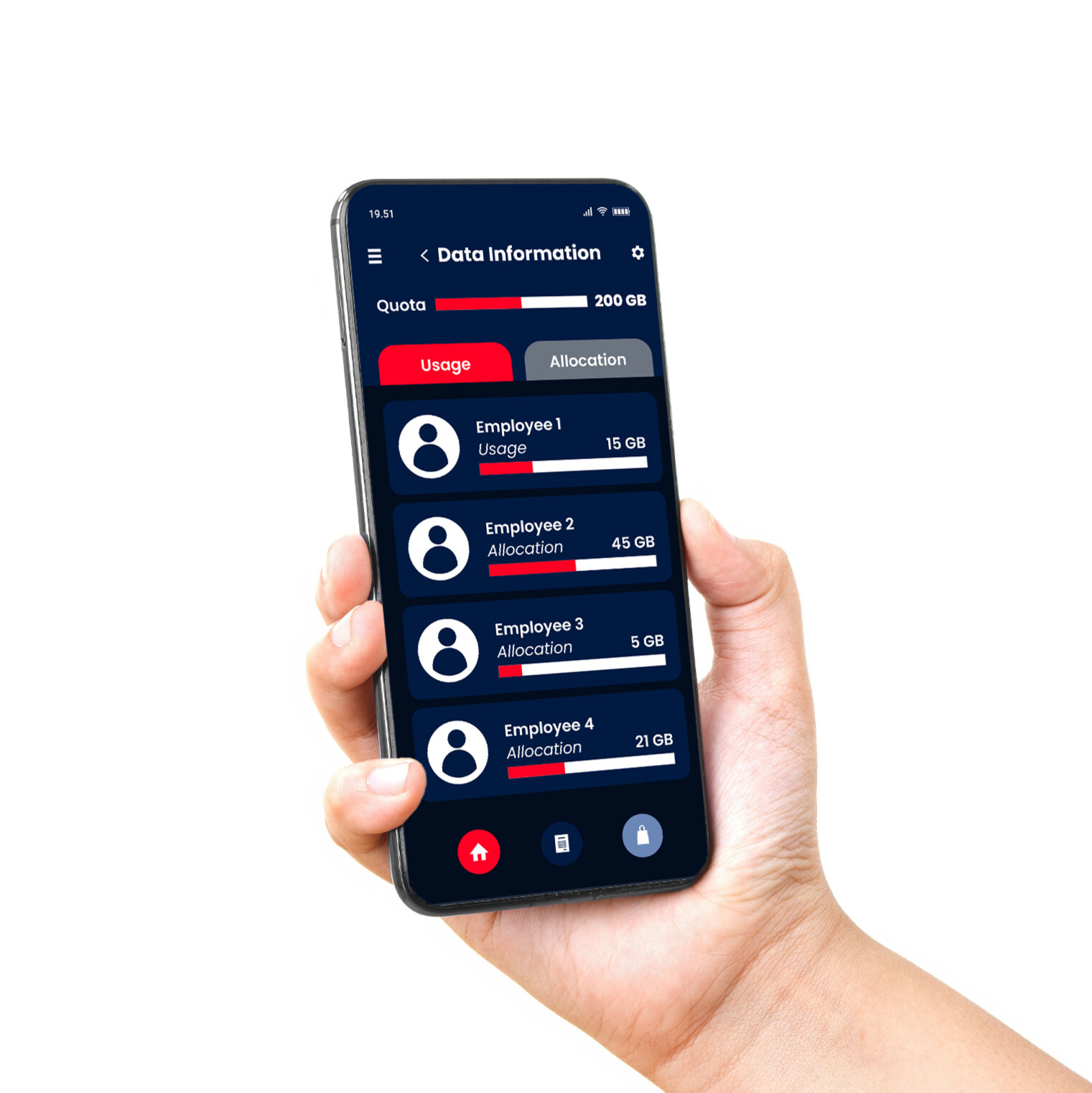





Energy usage is no longer something businesses can manage through assumptions or manual calculations. Achieving efficiency today requires a data-driven, technology-powered approach, and this is exactly where an energy management system becomes essential. With the right Energy Management System (EMS), companies gain clear visibility into how energy is consumed, where inefficiencies occur, and which actions can be taken to optimize usage, without disrupting productivity or daily operations.
Beyond improving efficiency, implementing an energy management system delivers measurable business value. It helps control rising energy costs, supports smarter operational decisions, and strengthens long-term competitiveness in an increasingly sustainability-focused market.
If you are looking to understand what an energy management system is, explore the benefits of an energy management system, and learn how EMS can be effectively applied within your business, the complete guide below will walk you through everything you need to know.
What is an Energy Management System (EMS)?
An Energy Management System (EMS) is an integrated system comprising both hardware and software used to monitor, analyze, control, and optimize energy consumption within a facility or network. The system collects energy data from various points or devices, processes it through analytics platforms, and provides recommendations or even automatic actions to improve energy efficiency.
As industrial processes, building architecture, and operational activities become more complex, companies require a system that not only records energy usage but also delivers strategic insights. EMS doesn’t just log numbers; it helps businesses make decisions based on real-time data.
In the long run, implementing an Energy Management System can boost profitability, enhance compliance with international energy standards like ISO 50001, and elevate the company’s image as an organization committed to sustainability.
In short, an EMS gives you full visibility into your energy consumption patterns, detects anomalies, and maps out energy-saving potentials that might have been hard to identify manually.
Main Components of an Energy Management System
For an Energy Management System (EMS) to work effectively, several key components must be integrated to form a seamless energy management chain. These components include:
-
Energy Sensors
Energy sensors are responsible for detecting electrical or energy parameters such as current, voltage, power, and power factors. These sensors are strategically installed at various points to capture accurate data on energy usage.
-
Energy Metering
Energy meters measure energy consumption quantitatively. The data collected by the meters forms the foundation for energy efficiency analysis and performance evaluation.
-
Energy Management Software
The core of an EMS, this software processes raw data from sensors and meters, turning it into easily understandable information displayed through dashboards, graphs, and analytical reports.
-
Data Acquisition System (DAS)
DAS collects data from various sensors and meters at regular intervals, ensuring consistent and reliable data collection for transmission to a central system.
-
IoT Gateway or Controller
This component acts as a bridge between field devices and the EMS platform. It aggregates data, converts protocols, and sends data to a server or cloud-based platform.
-
Control and Automation Systems
Control systems enable automatic device adjustments based on certain conditions, such as turning off equipment when loads are low or adjusting energy consumption based on operational schedules.
-
Communication Network
A reliable communication network, either wired or wireless is critical for transmitting data from field devices to the EMS platform. The quality of the network directly impacts real-time monitoring accuracy.
-
Energy Consumption Data Storage
Energy consumption data is stored in databases for historical analysis, energy audits, and long-term reporting. These databases may be on-premises or cloud-based.
-
Reporting & Analytics Tools
These tools generate energy performance reports, analyze trends, and offer efficiency improvement recommendations. Reporting tools also assist management in making strategic, data-driven decisions regarding energy use.
Types of Energy Management Systems
Energy Management Systems are designed to meet different operational needs across industries and environments. Below are the most common types of Energy Management System (EMS) and how they are applied in various sectors:
1. Industrial Energy Management System
This type of energy management system is widely implemented in manufacturing, mining, petrochemical plants, and other heavy industries. Its primary focus is to optimize energy-intensive processes and improve operational efficiency, including:
-
Monitoring energy consumption of production machines
-
Controlling and optimizing industrial motors
-
Improving heating, cooling, and pressure processes
-
Detecting production anomalies that impact energy usage
2. Building Energy Management System (BEMS)
A Building Energy Management System (BEMS) is commonly used in office buildings, hospitals, schools, shopping malls, and hotels. This system focuses on improving comfort while ensuring efficient energy use, covering areas such as:
-
HVAC systems (heating, ventilation, and air conditioning)
-
Automated lighting control
-
Elevator and escalator management
-
Electrical load management during peak hours
3. Transport Energy Management System
This type of EMS is designed to manage energy consumption in vehicles, logistics fleets, and public transportation systems. Key functions include:
-
Fuel consumption management
-
Monitoring electric vehicles (EVs)
-
Route optimization to reduce energy usage
-
Fleet control for improved energy efficiency
4. Home Energy Management System (HEMS)
A Home Energy Management System (HEMS) is implemented in smart homes to monitor and control household energy usage. It typically manages:
-
Air conditioning and household appliances
-
Residential solar panel systems
-
Automated lighting control
-
IoT-based power consumption monitoring
How Does an Energy Management System Work?
An Energy Management System operates through a series of interconnected processes designed to ensure that energy management is sustainable, accurate, and data-driven. These processes form a cyclical energy management loop, consisting of the following steps:
-
Data Collection
Energy data is gathered from sensors and meters placed at various points within the facility.
-
Data Transmission to Gateway or Controller
Once collected, the data is sent to the IoT gateway or controller for initial processing and preparation for transmission to the EMS platform.
-
Data Storage and Processing in EMS Platform
The data is stored, validated, and processed using specific algorithms within the EMS platform.
-
Real-Time Monitoring and Visualization
The EMS platform provides a real-time dashboard, enabling users to view energy consumption in real time.
-
Efficiency Analysis and Recommendations
The system analyzes the collected data to identify patterns, anomalies, and areas of energy waste, then generates recommendations for improving efficiency.
-
Automatic Control
Advanced systems allow for automatic control, adjusting energy usage based on preset parameters.
-
Energy Reporting and Auditing
Historical data is used to create energy performance reports and support regular energy audits.
Steps to Implement an Energy Management System (EMS)
Implementing an Energy Management System (EMS) is not simply about installing technology. It is a comprehensive management process that involves technical infrastructure, operational practices, and human resources. To ensure the energy management system delivers optimal results, businesses need a well-planned and strategic implementation approach, as outlined below:
-
Conduct an Energy Audit
An energy audit is the foundation of any successful EMS implementation. At this stage, companies carry out a thorough evaluation of energy consumption patterns across all facilities, including buildings, equipment, machinery, and operational processes. The goal of the audit is to identify sources of energy waste, assess equipment efficiency levels, and uncover the most promising energy-saving opportunities.
The results of the energy audit also establish a baseline for energy consumption, which serves as a reference point for measuring performance improvements after the EMS is implemented. With a clear understanding of current conditions, organizations can design a more targeted and effective energy management strategy.
-
Define Energy Goals and KPIs
Once the energy audit is complete, the next step is to set clear energy goals and define Key Performance Indicators (KPIs). These goals should be specific, measurable, achievable, and aligned with the company’s overall business strategy. Well-defined objectives and KPIs make it easier to continuously monitor the performance of the energy management system.
Examples of EMS goals include reducing overall energy consumption by a certain percentage, lowering annual energy costs, or decreasing carbon emissions. Common energy KPIs may include energy intensity per unit of production, energy consumption per square meter, or average power factor.
-
Develop an Energy Efficiency Strategy
An energy efficiency strategy is developed based on audit findings and the targets that have been set. This strategy should address both technical and operational aspects. On the technical side, actions may include replacing energy-inefficient equipment, optimizing HVAC systems, and improving building insulation quality. From an operational perspective, strategies can involve scheduling equipment usage and adjusting work procedures to reduce unnecessary energy consumption.
At this stage, companies can also create an EMS implementation roadmap that outlines program priorities, estimated investment costs, and projected short-term and long-term benefits. A structured strategy ensures that every energy efficiency initiative delivers maximum impact.
-
Install Sensors and Energy Metering Devices
Installing sensors and energy metering devices is a critical step in ensuring the availability of accurate, real-time energy data. Sensors should be placed at critical points such as main electrical distribution panels, production machines, lighting systems, and high-power equipment.
The data generated by these sensors and meters forms the backbone of the energy management system, supporting functions ranging from real-time monitoring to advanced analytics. Choosing the right devices and placing them strategically is essential for overall system success.
-
Deploy IoT Gateways and Communication Infrastructure
To enable data transmission from sensors to the EMS platform, reliable IoT gateways and communication infrastructure are required. IoT gateways act as intermediaries that collect data from multiple devices and forward it to the central system.
Communication networks may use wired or wireless technologies such as Ethernet, Wi-Fi, or cellular networks. Network reliability is crucial to ensure data is transmitted consistently and without interruption, allowing monitoring and analysis processes to run smoothly.
-
Configure and Integrate the EMS Platform
After the hardware infrastructure is in place, the next step involves system configuration and integration with the EMS platform. During this phase, system parameters, data structures, and user access levels are defined according to organizational needs.
Integration may also include connecting the energy management system with existing platforms such as Building Management Systems (BMS), production systems, or financial systems. Effective integration provides a holistic view of energy consumption and its impact on overall business operations.
-
Educate and Engage Employees
The success of an Energy Management System heavily depends on employee involvement. Staff members need to be educated and trained on the importance of energy efficiency, how to interpret EMS data, and their individual roles in achieving the company’s energy targets.
Employee awareness and participation help ensure that energy efficiency policies and EMS recommendations are consistently applied on the ground. With active engagement, EMS becomes more than a technology solution, it becomes part of the company’s operational culture.
-
Continuous Monitoring and Evaluation
Implementing EMS does not end once the system is operational. Companies must continuously monitor energy performance through EMS dashboards, compare actual results against defined KPIs, and identify any deviations that require corrective action.
Regular evaluations allow organizations to adjust strategies, update targets, and introduce new initiatives in response to changing business needs. Through this continuous improvement approach, an Energy Management System continues to deliver long-term value and supports sustainable energy efficiency.
IoT Envion: Integrated Energy Management Solution From Telkomsel Enterprise
Implementing an energy management system efficiently is a strategic move for companies aiming to control energy costs, improve operational performance, and meet growing sustainability demands. During the implementation phase, IoT technology plays a crucial role in making energy management more transparent, measurable, and adaptable to evolving business needs.
That is why Telkomsel Enterprise offers an integrated solution through IoT Envion. IoT Envion from Telkomsel Enterprise provides real-time energy consumption monitoring, accurate measurement, and data-driven insights that support informed, strategic decision-making. Backed by Telkomsel’s extensive network and secure platform, IoT Envion helps your company optimize energy usage in a sustainable and efficient way.
Now is the time to optimize energy management across your organization with IoT Envion from Telkomsel Enterprise. Contact Telkomsel Enterprise today and start driving greater efficiency and long-term business growth.