





Digital competition is pushing businesses to rethink how they make decisions. The decisions that are not only swift but also precise, objective, and strategically sound. To stay competitive, companies need a smarter, evidence-based approach, and that’s where data-driven decision making (DDDM) becomes essential.
But before diving headfirst into analytics dashboards or complex algorithms, it’s essential to understand what is data-driven decision making, how it works, and why it has become a cornerstone of successful enterprises today.
What Is Data Driven Decision Making (DDM)?
Data-driven decision making refers to the practice of making strategic business choices based on accurate, relevant data analysis, rather than guesswork, assumptions, or gut feeling. The goal is to improve the quality and impact of decisions by relying on tangible insights drawn from structured data.
For modern businesses, embracing DDDM means gaining a clearer understanding of customer behavior, market dynamics, internal performance, and potential risks. By anchoring your strategy in solid evidence, your company can make smarter moves that are measurable, rational, and highly actionable, boosting your chance of long-term growth.
Advantages of Data-Driven Decision Making in Business
The advantages of adopting a data-centric mindset extend far beyond simple number-crunching. Here are some compelling benefits:
1. Boosts Operational Efficiency
Analyzing performance data allows companies to detect inefficiencies and hidden patterns that are often invisible at first glance. Whether it's identifying bottlenecks in production or spotting underperforming sales channels, data enables more targeted and impactful improvements.
For instance, operational teams can discover that certain hours or geographic regions consistently experience delays, allowing for real-time interventions that boost overall productivity.
2. Minimizes Risk and Costly Mistakes
Data-driven decision making helps businesses forecast outcomes using historical and predictive analytics. By examining past performance and potential scenarios, companies can proactively evaluate the consequences of each strategic choice and avoid missteps.
This reduces the likelihood of costly errors and ensures more calculated risk-taking in everything from product launches to marketing campaigns.
3. Strengthens Competitive Edge
By leveraging real-time insights, businesses can adapt faster to market changes, capitalize on emerging trends, and make informed decisions long before competitors do. Data allows you to pivot quickly and with confidence, giving your brand a sharper edge in a saturated market.
It’s a proactive rather than reactive strategy, empowering organizations to stay one step ahead.
4. Improves Customer Understanding and Loyalty
Data offers a deeper view into customer preferences, behaviors, and feedback. With that insight, you can tailor your marketing campaigns, personalize product recommendations, and enhance service delivery, leading to higher satisfaction and stronger customer retention.
From creating more relevant experiences to anticipating user needs, data becomes your strongest ally in building lasting relationships.
The 5 Stages of Data-Driven Decision Making
To fully harness the power of DDDM, businesses must understand and execute its five essential stages. Each step ensures decisions are not only informed by data but also aligned with business objectives and customer needs.
1. Define Clear Objectives and Identify the Problem
Every data journey begins with clarity of purpose. Clearly articulate what you want to achieve and which specific issue you aim to address.
For instance, if sales have dipped over the last quarter, your goal might be to identify the root cause, whether it's due to supply chain delays, changing consumer preferences, or competitive pressure. Setting a clear, measurable, and relevant objective ensures that your data efforts stay focused and impactful.
2. Collect Relevant and Reliable Data
Once your objective is set, collect high-quality, relevant data from trusted sources. These may include internal systems like CRM tools, ERP platforms, financial reports, as well as external sources such as market research, social media activity, and third-party databases.
The key here is to ensure that the data is not only comprehensive but also accurate and up to date. Poor data quality can lead to misleading insights and flawed decisions.
3. Analyze and Manage Data Using Tools
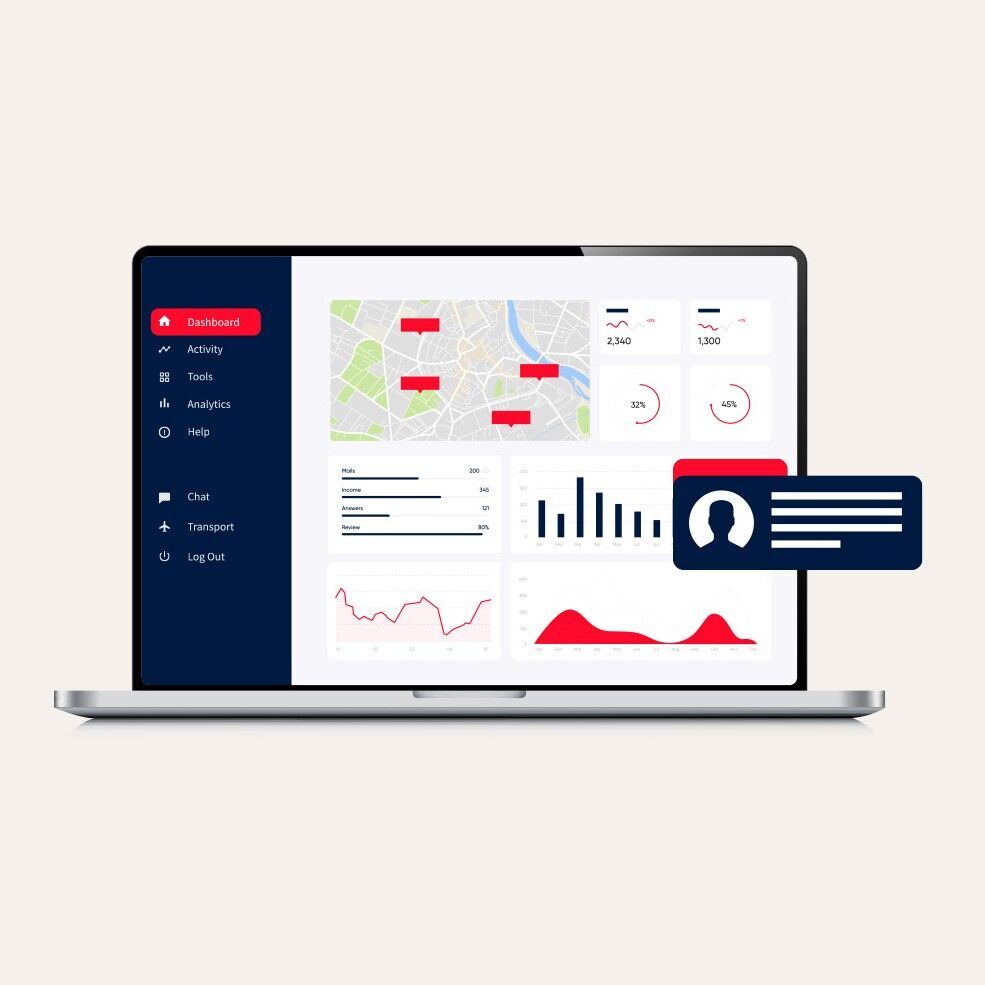
With data in hand, the next step involves cleaning, organizing, and analyzing it using appropriate tools and techniques. Tools like Excel, Google Data Studio, Tableau, Power BI, or advanced statistical software help transform raw data into meaningful visuals and actionable insights.
This stage includes, data cleaning (removing errors and inconsistencies), data grouping and segmentation, descriptive or predictive analysis, visualization (charts, dashboards)
Your goal here is to discover trends, relationships, and insights that reveal the “story” behind the numbers.
4. Interpret the Results for Decision-Making
Data analysis is only useful if its findings can be clearly interpreted and applied to business decisions. At this stage, insights should be translated into practical, easy-to-understand recommendations.
For example, if data shows a decline in website traffic, does it indicate poor SEO performance, changes in search engine algorithms, or reduced ad spend? Interpreting these findings correctly ensures that decisions are grounded in reality and aligned with business goals.
5. Execute the Decision and Evaluate the Impact
Finally, apply the insights to make informed decisions and execute strategies. But the process doesn’t end there. Continuous evaluation is necessary to measure the effectiveness of those decisions.
Did the new marketing campaign increase conversion rates? Did operational changes reduce costs as expected? Regular reviews and feedback loops allow businesses to refine their approach and adapt to evolving conditions.
Examples of Data-Driven Decision Making
To better illustrate how DDDM works in practice, here are three examples across different industries:
-
Banking: Fraud Detection in Transactions
Modern banking institutions rely heavily on machine learning and historical transaction data to detect suspicious activities.
For example, if a system identifies an unusually large transaction from a foreign location at an odd hour, it can flag or even block the transaction until verified, preventing potential fraud in real time.
-
E-Commerce: Personalized Product Recommendations
The e-commerce system will analyze consumer behavior data, such as search history, previous purchases, shopping times, and frequently viewed products. Based on this data, the algorithm will generate product recommendations relevant to the user's interests and needs.
-
Digital Marketing: Ad Optimization Based on Data
Marketers evaluate performance metrics such as click-through rate (CTR), conversion rate, cost per click (CPC), and return on ad spend (ROAS). By analyzing this data, they optimize ad messaging, reallocate budgets to high-performing platforms, and refine target audiences to maximize ROI.
Conclusion
Adopting a data-driven approach can significantly elevate your decision-making process, but the right tools make all the difference. That’s where MSIGHT from Telkomsel Enterprise comes in.
With MSIGHT, your business gains access to high-quality data and deep analytics that empower smarter, faster, and more impactful decisions. Whether you're optimizing strategy, streamlining operations, or targeting the right customers, MSIGHT helps you move forward with confidence.
Ready to transform the way you make decisions? Start optimizing your strategy with MSIGHT today and see the difference data can make.