



When running a business, the goal is always to reach your customers in the most effective, efficient, and targeted way possible. But with so many marketing strategies out there, the real question becomes: which channel should you use to deliver your business message?
That’s where selecting the right marketing channel makes all the difference.
A marketing channel is more than just a promotional platform, but it’s a strategic bridge that connects your business with the right audience, at the right time, through the right medium. But what is a marketing channel exactly, what are the different types available, especially in the digital world, and how do you pick the ones that align with your goals?
Let’s dive deeper into the world of marketing channels and discover how they can help elevate your business strategy.
What Is a Marketing Channel?
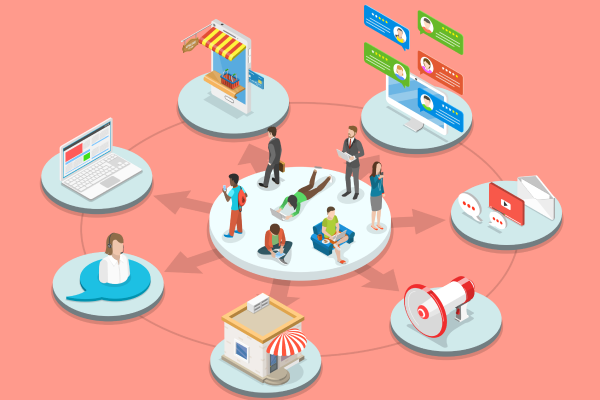
A marketing channel is any platform or medium a business uses to deliver its product or message to the end consumer. These channels act as conduits between your brand and potential customers, enabling visibility, engagement, and conversions.
Marketing channels come in various forms:
-
Physical stores
-
E-commerce platforms
-
Social media networks
-
Email lists
-
Blogs and websites
-
Paid advertising platforms
The goal of a marketing channel is not only to promote your offerings but also to create meaningful interactions that lead to customer acquisition, retention, and loyalty.
Each marketing channel plays a unique role in your overall marketing channel strategy, and the effectiveness of each depends on your audience's behavior, preferences, and purchasing habits.
Why Marketing Channels Matter?
Understanding what a marketing channel is also means recognizing the benefits it brings to your business:
1. Wider Market Reach
Using multiple marketing channels allows you to connect with diverse audiences without needing physical locations. For instance, social media helps you reach younger demographics, while email marketing nurtures existing relationships with loyal customers.
2. Cost Efficiency
Digital marketing channels often offer more cost-effective solutions than traditional advertising methods. You can run targeted campaigns across several platforms simultaneously, reducing overhead while maximizing impact.
3. Real-Time Monitoring and Control
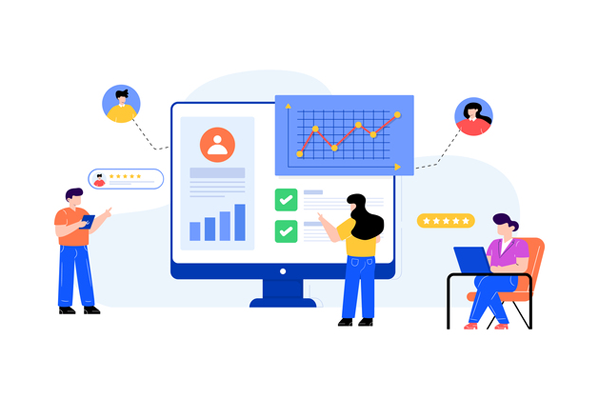
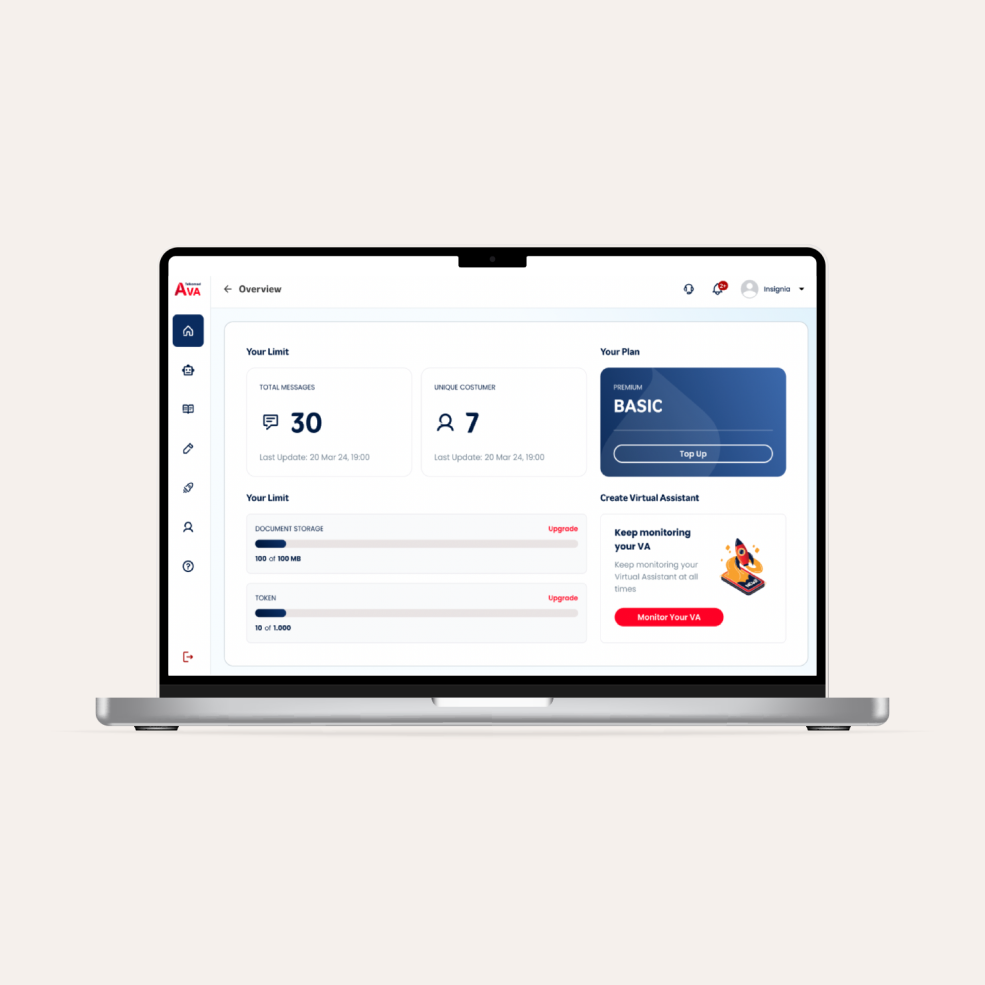
Today’s digital marketing channels offer real-time analytics. You can monitor campaigns, adjust, and manage everything from a single dashboard, making the process more agile and effective.
7 Types of Digital Marketing Channels
Choosing the right type of digital marketing channel is crucial for your campaign’s success. You don’t need to use them all, just the ones that align best with your business goals and audience.
1. Website or Blog
Your website isn’t just an online brochure, but it’s your brand’s digital home. It helps build credibility and can be a powerful tool for lead generation.
A well-designed website with useful content enhances trust and visibility. Adding a blog also boosts SEO, helping your business appear on search engines and bringing in organic traffic.
2. Affiliate Marketing
Think of this as building a network of brand ambassadors who earn commissions only when they drive real sales.
Affiliate marketing helps you reach new markets with low risk and high potential ROI. It’s especially effective for e-commerce or digital products.
3. Content Marketing
Content marketing involves creating and distributing valuable, relevant content to attract and retain a clearly defined audience. Formats include blog posts, videos, infographics, podcasts, and downloadable guides.
It supports long-term brand building, educates your audience, and enhances SEO, making it a cornerstone of any effective marketing channel strategy.
4. Email Marketing
Don’t underestimate this classic method. When done right, email marketing delivers high ROI and creates personalized experiences. It enables personalized communication with segmented audiences, allowing you to send targeted promotions, updates, and educational content.
Key metrics like open rate, click-through rate (CTR), and conversion rate provide clear insights into campaign performance.
5. Social Media Marketing
Social media platforms like Facebook, Instagram, LinkedIn, TikTok, and X (formerly Twitter) offer powerful tools for connecting with audiences in real-time.
These platforms allow for creative storytelling, community building, and direct interaction with customers. Paid ads on social media also offer precise targeting options based on interests, behaviors, and demographics.
6. SEO and SEM
Both strategies aim to improve your visibility on search engines. SEO (Search Engine Optimization) builds organic reach over time, while SEM (Search Engine Marketing) delivers quick, paid results.
Using them together provides a balanced approach and fast results with SEM while building long-term traffic with SEO.
7. Display Advertising
Display ads are visual advertisements that appear on websites, apps, and social media platforms. They come in formats like banners, animated images, and video ads.
Display advertising is ideal for increasing brand awareness, remarketing to past visitors, and retargeting users who have shown interest in your offerings.
How to Choose the Right Marketing Channel
Choosing a marketing channel strategy is like picking the best route to reach your customers. Not all paths are right for every business. Here’s how to choose wisely:
1. Know Your Audience
Understand where your customers spend their time. Are they searching on Google, scrolling through Instagram, or reading emails? Matching their behavior helps you pick the best channel to connect with them.
For example, if your audience is active on Instagram, prioritize visual content over text-heavy formats.
2. Adapt Your Messaging to Each Channel
Your brand voice should be consistent, but your style should adapt to each platform. Email might require a formal tone and detailed copy, while TikTok demands short, catchy videos. Flexibility is key.
3. Consider Your Resources
Managing multiple platforms takes time and effort. Start with one or two channels you can fully commit to, then expand as your business grows.
Eventually, you can scale to a multichannel or even omnichannel marketing approach, where all touchpoints are connected and seamless.
4. Test and Measure Regularly
Run small-scale campaigns to test the waters. Track key metrics like CTR, conversion rate, and ROI. Use these insights to refine your strategy and allocate budgets to the most effective channels.
Selecting the right marketing channel is just the beginning. The real challenge lies in managing multiple touchpoints without losing message consistency.
Remember, it’s not about being everywhere, but it’s about being where your audience is, and delivering consistent, valuable experiences across every touchpoint.
Whether you're just starting out or optimizing an existing plan, the key is to stay agile, data-driven, and focused on your audience’s needs. And when you’re ready to scale, consider integrating your communication channels into a unified system to ensure seamless customer interactions and operational efficiency.
Looking for an omnichannel solution to support your marketing efforts? Telkomsel Enterprise’s CPaaS Omnichannel helps you connect with customers via SMS, WhatsApp, email, and more, all from a single platform.
Backed by Telkomsel’s robust network, CPaaS ensures fast, secure, and reliable communication, enhancing your customer experience every step of the way. No matter your strategy, the right technology makes all the difference.
Grow your business the smart way with Telkomsel Enterprise. Get in touch with us today to learn more.