

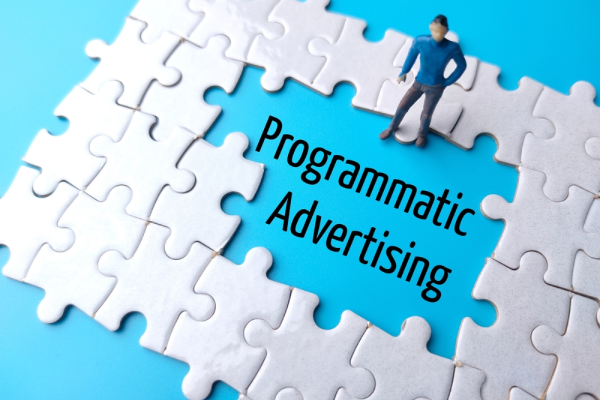


Unlocking the power of precise advertising is the secret weapon every business needs to thrive online. Imagine reaching not just a broad audience, but the right audience, those most likely to engage and convert. This is exactly what programmatic advertising makes possible.
By harnessing automation, real-time data, and intelligent algorithms, programmatic ads transform how brands plan and run digital campaigns. This innovative approach maximizes your marketing budget and drives higher conversion rates. Curious how programmatic ads work and why they’re essential for your marketing success? Let’s dive in.
What Are Programmatic Ads?
At its core, programmatic advertising is the automated buying and selling of digital ad space. Unlike traditional methods that involve manual negotiations, contracts, and lengthy processes, programmatic ads use technology to purchase ad placements instantly based on real-time audience data.
Previously, securing ad placements meant tedious back-and-forth discussions and slow approval cycles. Today, with programmatic ads, you can instantly access the most relevant ad inventory tailored to your target audience, thanks to data-driven automation.
These ads operate through specialized platforms that analyze audience behavior, preferences, and demographics to deliver the most relevant ads to the right people, at the right time, and on the right device.
Types of Programmatic Ads
Programmatic advertising offers multiple formats to reach your audience effectively, but not all are created equal. Here are the most common types you should know:
1. Display Ads
You’ve likely seen these ads as banners or sidebars on websites. Display ads use images, animations, or rich media to catch the eye.
Unlike traditional static placements, programmatic display ads are automatically served across a network of sites like Google Display Network, targeting specific audiences based on real-time data.
Examples:
-
Static banners
-
Animated GIFs
-
Interactive HTML5 ads
2. Video Ads
Video is one of the most engaging formats in digital marketing. Programmatic video advertising enables brands to serve personalized video ads across platforms like YouTube, streaming services, and even within articles.
Types of Video Ads:
-
In-stream ads: Play before, during, or after video content.
-
In-display ads: Appear alongside search results or recommended videos.
-
Out-stream ads: Play in non-video environments like article pages, offering flexible placements.
3. Social Ads
Social media platforms such as Facebook, Instagram, TikTok, and LinkedIn have built-in programmatic capabilities. These allow advertisers to leverage user data for precise targeting.
For example:
-
Target users based on age, gender, interests, or past interactions.
-
Retarget users who visited your website but didn’t convert.
-
Promote posts to reach new audiences organically.
4. Audio Ads
With the rise of podcasting and music streaming services like Spotify and Apple Music, audio ads have become a powerful medium. Programmatic audio advertising allows for targeted placements in podcasts or streaming radio.
Key features:
-
Personalized messaging based on listener demographics.
-
Dynamic ad insertion for real-time relevance.
5. Native Ads
Native ads blend into the content, appearing as “Read More” or “Learn More” links within articles or feeds. This organic integration prevents ad fatigue, making users more receptive.
Advantages:
-
Less intrusive than traditional ads.
-
Higher engagement due to contextual relevance.
-
Ideal for brand storytelling and awareness.
6. Digital Out-of-Home (DOOH) Ads
Combining the impact of physical billboards with digital flexibility, DOOH ads appear on digital screens in public spaces like bus stops, airports, and shopping malls.
What makes them unique:
-
Real-time updates based on weather, time of day, or events.
-
Geo-targeting to reach local audiences.
-
High visibility and brand recall.
Benefits of Programmatic Ads
Compared to traditional advertising, programmatic offers numerous advantages that directly impact your marketing performance:
1. Highly Personalized Advertising
Thanks to AI and vast audience data, programmatic ads deliver personalized messages aligned with user preferences, behaviors, and demographics, resulting in higher engagement and relevance.
2. Broader and More Precise Reach
Programmatic advertising supports cross-device targeting, meaning your message follows users from desktop to mobile to tablet. This omnichannel approach ensures consistent brand exposure wherever your audience goes.
3. Versatility in Ad Formats
From video to native to social, programmatic advertising offers a wide range of creative options. You can test different formats and optimize performance based on what resonates best with your audience.
4. Easy Access to Premium Ad Inventory
Automation simplifies navigating ad inventory, allowing you to efficiently select and bid on the most relevant ad spaces tailored to your audience.
5. Increased Conversions and ROI
By targeting the right people with the right message, programmatic ads drive more actions,whether purchases, sign-ups, or clicks, boosting your conversion rates and return on investment.
6. Real-Time Campaign Optimization
Unlike static campaigns, programmatic advertising provides instant insights into performance metrics. You can pause underperforming ads, adjust bids, or tweak targeting all in real time, to maximize results.
How Do Programmatic Ads Work?
Understanding the mechanics behind programmatic advertising helps demystify its power. Here’s a simplified step-by-step explanation:
1. Collecting User Data
When someone visits a webpage with ad space, their data such as location, device, browsing history, and demographics is sent to an ad exchange.
2. AI Data Analysis
An algorithm processes this data to determine which advertiser would benefit most from showing an ad to that user.
3. Real-Time Bidding (RTB)
Ad space is auctioned in milliseconds through RTB. Advertisers bid based on how well the user matches their target audience, and the highest bid wins the ad placement.
4. Instant Ad Delivery
The winning ad is delivered and displayed in milliseconds, ensuring relevance and timeliness without disrupting the user experience.
This entire process happens in less than a second, making programmatic advertising both fast and efficient.
Key Terms in Programmatic Advertising
If you're new to programmatic advertising, here are some common terms you’ll encounter:
1. Publisher
A publisher is the owner or operator of websites, apps, or digital platforms that provide space for ads to appear. Think of publishers as the landlords who "rent out" advertising space.
This can be anything from a popular news site to a niche blog or a mobile app. Their goal is to monetize their traffic by allowing advertisers to place relevant ads in those spaces.
2. Advertiser
An advertiser is a brand, business, or organization that wants to promote its products or services by displaying ads. Advertisers invest their marketing budgets to reach potential customers through various channels, aiming to boost awareness, engagement, or sales.
3. Ad Exchange
Ad exchange is like a digital marketplace where ad spaces from publishers are bought and sold in real time. It acts as a middleman between publishers and advertisers, facilitating auctions where advertisers bid for the best placements. This system ensures that ad spaces go to the highest bidder who best matches the audience.
4. SSP (Supply-Side Platform)
A Supply-Side Platform (SSP) is a technology tool used by publishers to manage, sell, and optimize their available ad inventory. SSPs connect publishers to multiple ad exchanges and demand sources simultaneously, allowing them to maximize revenue by automatically offering ad spaces to the highest-paying advertisers.
5. DSP (Demand-Side Platform)
On the flip side, a Demand-Side Platform (DSP) is a platform advertisers use to purchase and manage ad placements programmatically. DSPs allow advertisers to set targeting criteria, bid on ad impressions, and optimize campaigns based on performance data all in real time. This automation saves time and increases precision in reaching the right audience.
6. DMP (Data Management Platform)
A Data Management Platform (DMP) is a centralized system that collects, organizes, and analyzes vast amounts of audience data from various sources. Both publishers and advertisers use DMPs to gain insights into user behavior, preferences, and demographics. This data powers smarter ad targeting, ensuring that programmatic ads are relevant and personalized.
Reach Your Target Audience and Boost Campaign Performance
Programmatic ads are a smart, effective solution to elevate your marketing efforts by precisely targeting your ideal audience and optimizing campaign performance in real-time.
For businesses looking to elevate their digital marketing strategy, DigiAds by Telkomsel Enterprise offers cutting-edge technology, comprehensive data analytics, and a flexible range of ad formats. With transparency through an open dashboard, you gain full control over your campaigns to ensure every ad dollar is well-spent.
Ready to transform your digital advertising and achieve measurable business growth? Contact us today and discover how DigiAds from Telkomsel Enterprise can help you hit your targets smarter and faster!