



Grabbing the attention of modern consumers is no small feat. Every second, countless brands are battling for visibility on feeds that are already oversaturated with digital content. But amid the noise, there’s one powerful approach that can make a brand stand out and spread like wildfire, that is viral marketing.
Viral marketing strategy thrives on the digital version of “word of mouth,” enabling a cleverly crafted campaign to travel far and wide in a surprisingly short amount of time. But at the core of "viral" content lies a deeper understanding, what drives people to share it in the first place?
Research consistently shows that emotions are the key catalyst behind why people share content online. Whether it’s joy, surprise, sadness, or awe, emotionally charged content resonates because, as social beings, we are naturally inclined to share experiences that move us.
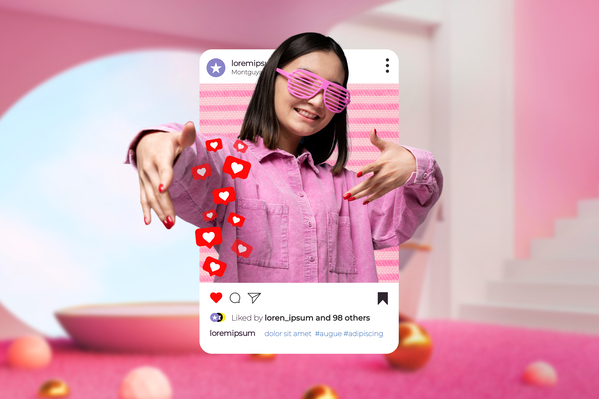
Beyond emotion, another psychological trigger plays a major role, social proof. When people see others engaging with something, they’re more likely to join in. This is known as the "bandwagon effect", where the popularity of a piece of content compels more people to share it, driven by the desire to be part of the moment.
By understanding and leveraging these psychological triggers, businesses can unlock the true potential of viral marketing, extend their reach and building meaningful engagement with their audience.
Let’s dive deep into what is viral marketing, explore how viral marketing works, examine some successful viral marketing examples, and uncover actionable viral marketing strategies you can use to elevate your brand awareness.
What Is Viral Marketing?
Viral marketing is a marketing technique where content spreads rapidly and widely across the internet, much like how a virus passes from person to person.
For brands, this phenomenon is incredibly valuable. It can skyrocket brand awareness and customer engagement while keeping costs low. However, crafting a truly viral campaign is no easy task. The real secret lies in understanding how viral marketing works, particularly the psychology behind why people feel compelled to share content.
At the heart of this approach is a deep dive into customer psychology. People don’t just share content randomly, but they do it because it speaks to them emotionally, provides value, or reflects who they are.
Humans are inherently social. We crave connection and love to share things that spark strong emotional responses, whether it's laughter, admiration, or even outrage.
Additionally, content that sparks curiosity, offers practical value, or allows people to express their identity tends to perform better. It’s not just about being informative or funny; content needs to feel relevant within the social and cultural context of the target audience. For instance, in Indonesia, content rooted in humor, family values, or motivational storytelling often gains traction faster.
However, going viral is not just about luck, but it’s a science backed by psychology, emotion, and strategic planning.
How Viral Marketing Works
Understanding how viral marketing works involves exploring the psychological triggers that drive human behavior online. While human behavior online may seem unpredictable, several common elements repeatedly show up in viral marketing campaigns.
These elements tap into key emotional and psychological triggers that push users to hit the share button.
1. Emotional Triggers
Emotionally compelling content is often the most shareable. People love to pass on content that makes them laugh, cry, or feel inspired. Why? Because sharing emotional experiences is one of the easiest ways to feel connected with others.
Humor, for example, is a universal language. A funny meme or video can transcend cultural boundaries and bring people together. Similarly, inspirational stories or nostalgic content stir emotions and create a sense of shared memory or aspiration, driving people to spread that content.

2. Social Proof and the Bandwagon Effect
Social proof is the idea that people follow the behavior of others, assuming that if many people are doing something, it must be the right thing to do.
In the context of viral marketing, once content gains some initial traction, likes, shares, or comments, it can snowball. As more people share, others feel compelled to jump in, too. The desire to not be left out of a trending conversation fuels this rapid spread.
This explains why the first few hundred shares are so critical. They act as a signal that something is worth sharing, encouraging others to join the bandwagon. This is known as the bandwagon effect.
3. Curiosity Gap
Curiosity is a powerful motivator. Content that teases a surprise, offers a twist, or promises to reveal something new or exclusive triggers a need to know more.
People enjoy feeling “in the know,” especially on social media. Sharing intriguing or unique content boosts their image as a trendsetter or an insightful source of information among peers.
4. Self-Expression & Identity
Sharing content is often a subtle form of self-expression. People post things that reflect who they are or who they aspire to be, whether it’s their values, sense of humor, lifestyle, or beliefs.
When content aligns with someone’s personal identity, they’re far more likely to share it because it communicates something about themselves to their followers. That’s why content related to personal growth, opinions, or cultural pride often goes viral.
Effective Viral Marketing Strategies and Examples That Made Waves
To execute a successful viral marketing campaign, businesses must create content that not only grabs attention but also encourages interaction and emotional engagement. Here are some of the top viral marketing strategies and examples to amplify your message:
1. Create Interactive Content
Polls, quizzes, and contests are excellent tools for driving interaction. These formats invite users to participate actively with your brand.
This approach increases the likelihood of sharing because people enjoy showcasing their results, inviting friends to join in, or simply engaging with entertaining content. A well-designed quiz with a shareable result can travel fast across platforms.
For instance, personalized quizzes like “Which superhero are you?” or “What kind of traveler are you?” can generate buzz and encourage social sharing.
2. Launch a User-Generated Content Campaign
Encouraging users to create and share content related to your brand can spark authentic engagement. Known as user-generated content (UGC), this strategy empowers customers to be co-creators.
Asking customers to post stories, photos, or videos using a specific hashtag builds a sense of community and trust and amplifies your reach organically through their networks.
3. Collaborate with Influencers
Partnering with influencers is a proven tactic to kickstart a viral campaign. The key is to collaborate with influencers whose audience matches your target market and whose voice aligns with your brand identity.
When influencers share your message, it carries credibility and can expose your campaign to a much larger and often more engaged audience. Micro-influencers often have higher engagement rates than mega-celebrities, making them ideal partners for viral campaigns.
4. Use Storytelling and Brand Narratives
Humans are wired to respond to stories. Storytelling is a cornerstone of powerful content. Narratives that trigger emotion and convey a deeper message make your content more relatable and more shareable.
People remember stories far more than dry facts or promotional pitches. Whether it's a customer success journey, a behind-the-scenes brand moment, or a feel-good initiative, a strong story encourages shares and sparks conversations.
5. Stay Authentic
Authenticity is vital. Today’s audiences can instantly detect forced or insincere marketing. Campaigns that feel disingenuous can backfire, hurting your brand's credibility.
Instead, aim to build genuine connections. Show that your brand listens, understands, and respects its audience. By doing so, you’re more likely to inspire organic sharing and long-term loyalty.
Conclusion
There’s no guaranteed recipe for making content go viral. Viral marketing isn't a magic trick, but it’s a strategic art. It should always be integrated into a broader marketing plan, not used as a stand-alone tactic.
Still, when done right, it can deliver massive returns on minimal investment, boost brand awareness, and ignite high levels of customer engagement.
If your business is ready to harness the power of viral marketing, start by deeply understanding your audience. What resonates with them emotionally? What do they care about? What would they be proud to share?
If you're looking to tap into consumer sentiment and gather valuable feedback to fuel your next viral idea, consider using tools like tSurvey from Telkomsel Enterprise. This online survey platform helps you collect valuable customer feedback, reaching over 159 million respondents across Indonesia.
With tSurvey, #PastiAdaSolusi to uncover the insights behind your next viral idea. Get in touch and start gathering meaningful feedback to shape your viral marketing campaign.