



Efficient fleet operations don’t just happen, they require well-planned strategies, smart tools, and effective coordination. That’s where transportation management steps in as a key driver for business success. It plays a critical role in optimizing fleet usage, reducing operational costs, and streamlining logistics in today's fast-paced commercial environment.
But what is transportation management exactly, and why is it becoming a non-negotiable part of modern business operations? Let’s dive into everything you need to know, from the core functions to the major benefits and challenges, plus how to start building a smarter transportation system for your company.
What Is Transportation Management?
Transportation management refers to the strategic planning, execution, and oversight of transportation-related activities within a business or organization. Its goal is to ensure that goods, services, and personnel move efficiently, safely, and punctually across the supply chain.
This process includes route optimization, fleet supervision, delivery scheduling, cost control, and performance evaluation. Essentially, it’s about turning mobility into a competitive advantage, by ensuring resources are used efficiently while minimizing delays and maximizing delivery accuracy.
Why Is Transportation Management Important?
Implementing the right transportation management strategy offers a wide range of strategic advantages for your business. From cost savings to improved customer satisfaction, here’s how it can make a measurable impact:
1. Reduced Operational Costs
A well-structured transportation management approach helps your business optimize fleet usage, lower fuel consumption, and minimize vehicle maintenance expenses. When your fleet runs more efficiently, your bottom line benefits directly.
2. Improved Time Efficiency
Structured route planning and well-organized scheduling make it possible to complete deliveries faster and more punctually. These time savings can significantly boost your business's overall productivity and competitiveness.
3. Real-Time Fleet Monitoring
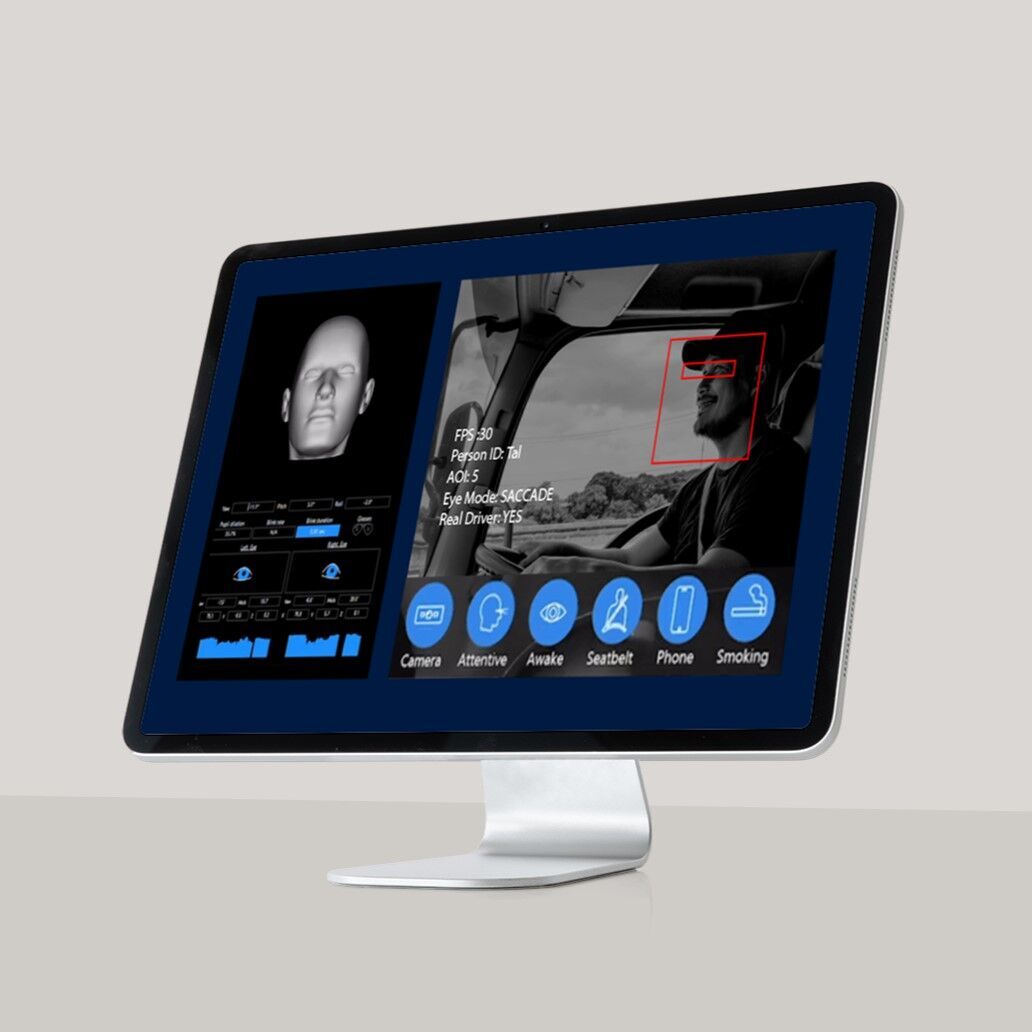
Modern transportation management solutions offer real-time tracking of your fleet’s location and status. This visibility enables quick decision-making, better incident response, and proactive control over on-the-ground challenges.
4. Better Regulatory Compliance
A robust transportation management system helps your business stay compliant with transportation laws, safety standards, and industry regulations. By meeting these requirements, you reduce the risk of penalties, legal issues, or operational disruptions.
5. Accurate and On-Time Deliveries
With better coordination and scheduling, you can ensure that deliveries reach their destinations on time. Timely deliveries not only build trust but also improve overall customer satisfaction and loyalty.
6. More Effective Driver Management
Transportation management enhances driver scheduling, monitors performance, and supports initiatives to improve driver safety. As a result, your workforce can operate more effectively while reducing risks on the road.
Factors That Influence Effective Transportation Management
To build an effective system, it’s important to understand the foundational elements that influence transportation efficiency and sustainability:
1. Transportation Strategy Development
Selecting the right vehicle types, load capacities, and delivery schedules plays a crucial role in maintaining smooth distribution and controlling transportation costs. When resources are well-managed, efficiency improves, and waste is minimized.
2. Route Optimization
Choosing the most efficient routes helps reduce delivery time, fuel usage, and vehicle wear and tear. Proper route planning also lowers the risk of delays caused by traffic congestion or poor road conditions.
3. Collaboration with Stakeholders
Cooperation with suppliers, logistics partners, and customers leads to better coordination, smoother transportation workflows, and fewer disruptions throughout the supply chain.
4. Environmental Sustainability
Integrating eco-friendly practices, such as using fuel-efficient or electric vehicles and reducing emissions not only benefits the environment but also enhances your company’s reputation as a responsible, forward-thinking business.
5. Cost Management
Effective budget planning and expense tracking allow your company to maintain profitability while still delivering high-quality services. Managing transportation costs is key to long-term financial stability.
6. Employee Training and Skills Development
A skilled workforce is essential for operating modern transportation systems. Providing regular training ensures that employees stay up to date with the latest technologies and procedures, reducing operational errors and boosting efficiency.
7. Technology Integration
Incorporating advanced technologies, such as real-time tracking software, route planning tools, and transportation management platforms, provides greater control, better data insights, and more informed decision-making.
Benefits of Implementing Transportation Management Effectively
When executed properly, transportation management delivers measurable advantages that go beyond logistics:
1. Optimal Route Planning
An organized transportation system allows your business to design delivery routes that are both time- and cost-efficient. By avoiding traffic congestion, reducing travel distance, and minimizing delivery time, route optimization not only improves punctuality but also helps save fuel and lower operational costs. In the long term, it also contributes to reducing your business’s carbon footprint.
2. Increased Visibility and Fleet Control
With a modern transportation management system, you gain full real-time visibility into your fleet’s location and condition. This transparency allows you to track delivery progress, anticipate potential delays, and proactively share updates with your customers. It also enables better evaluation of driver performance and vehicle maintenance, ensuring that your assets are well-managed at all times.
3. Reduced Manual Errors
Manual transport processes often lead to human errors, such as incorrect data entry, mismatched records, or administrative oversights. With a technology-driven transportation management system, many of these administrative tasks can be automated, significantly reducing manual mistakes and increasing data accuracy.
4. Performance Analysis for Better Decision-Making
Modern transportation management platforms provide detailed data on delivery times, fuel consumption, operational costs, and overall fleet productivity. This wealth of data allows you to conduct performance evaluations and make strategic decisions, such as when to upgrade vehicles, reroute deliveries, or adjust staffing based on real insights rather than guesswork.
5. Enhanced Delivery Efficiency
At its core, transportation management is about improving delivery operations. With optimized routes, fewer errors, and better coordination, your business can meet delivery deadlines more consistently. Timely deliveries increase customer satisfaction and strengthen your company’s reputation as a dependable service provider.
Implementing a reliable transportation management solution is the first step toward smarter logistics. Fleetsight by Telkomsel Enterprise is designed to give businesses full real-time visibility over their vehicle assets.
With Fleetsight, your company can monitor fleet activities live, improve driver and vehicle performance, make informed decisions using accurate analytics, and reduce costs and boost operational efficiency
Whether your business is scaling or optimizing, it’s time to embrace intelligent, sustainable, and productive fleet management with Fleetsight.
Ready to revolutionize your fleet operations? Consult with Telkomsel Enterprise here and discover how we can help streamline your fleet operations, cut costs, and deliver excellence, every single day.
Because smarter transportation doesn’t just move goods, it moves your business forward.