




Consumers today hold high expectations, demanding that their goods arrive strictly within the displayed deadlines. In this context, last mile delivery emerges as the most pivotal stage in the distribution process. This phase represents the make-or-break moment where a business proves its ability to maintain customer satisfaction and loyalty.
Consequently, within the goods shipment process, last mile delivery becomes a complex, determining phase. Businesses must carefully observe the factors that dictate the success of last-mile delivery to secure the best solutions for executing the final shipment process until the goods safely reach the consumer's hands.
What Is Last Mile Delivery?
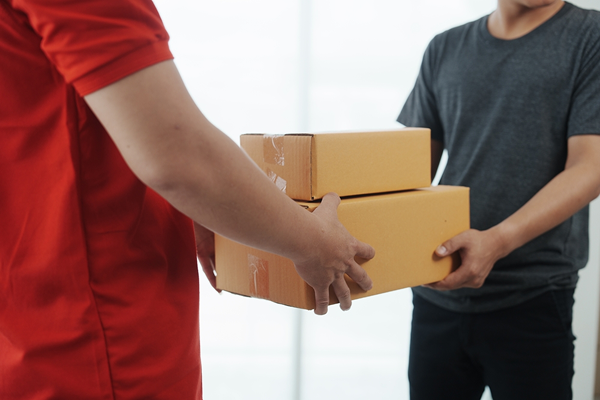
Simply put, when asking what is last mile delivery, it is the final stage in the goods shipment process from a hub, warehouse, or distribution center to the customer's address. The distance is indeed relatively short. However, this is precisely the part that proves to be the most complex.
Why is this the case? In this phase, businesses deal directly with road conditions, traffic density, address accuracy, and even customer responsiveness.
All these difficult-to-control factors converge here. One narrow alley, one unclear address, or one unanswered phone call can cause a shipment delay.
This is why having a solid system is crucial, ranging from real-time tracking to neat fleet management. Without all of that, last mile delivery can actually become the weak point in your distribution chain. Understanding what is last mile delivery definition helps businesses realize that this isn't just about moving boxes, it's about managing variables.
The Important Role of Last Mile Delivery
Do not assume last mile delivery is merely a process of dropping goods off at a house. This is your brand's face in the field. Here are several important roles of last mile delivery within the logistics system:
1. Shaping Customer Experience
This stage represents the first and last direct interaction between your customer and your logistics process. Timely deliveries, professional couriers, and undamaged goods create a lasting positive impression. Even minor delays can leave a negative mark.
2. Increasing Customer Loyalty
When your brand is capable of delivering goods on time and continues to do so consistently, customers will feel secure. When this expectation can be maintained and continues to be fulfilled every time a customer uses your service, they tend to return without hesitation.
3. Standing Out in a Competitive Market
Speed and shipment transparency can become a differentiator amidst increasingly high competition. In this case, those who can manage last mile delivery efficiently are usually superior in the eyes of customers.
Factors Influencing Last Mile Delivery
To ensure the final shipment process runs optimally, there are several things that need attention. Understanding how does last mile delivery work requires looking at these specific variables. Here are some of them:
1. Cargo Stability
Goods that are not arranged correctly risk shifting during the journey. For example, for fragile items, the ideal tilt tolerance should be less than 5°. Additionally, the distance between items should be given space around 3-5 cm. This needs to be done to dampen vibrations and maintain air circulation.
2. Delivery Time per Stop
On average, the last mile process lasts around 20-90 minutes per address. However, this figure depends heavily on field conditions.
Traffic jams, narrow road access, and even the type of goods being unloaded will affect travel time. Without realistic time estimates, the delivery schedule can fall apart.
3. Weather Conditions and Humidity Levels
Weather is often considered an external factor that is unavoidable. In fact, its impact on delivery is quite large. For example, a humidity level of 70-90% can damage outer cartons if not given layered protective coating. Therefore, field teams should ideally carry additional plastic to protect goods.
How Does Last Mile Delivery Work?
Though it may seem straightforward, the process is intricate:
1. Order Placement
Orders are received from websites, marketplaces, or applications. From here, the system will forward information to the operational team.
2. Packaging and Preparation
Goods are then prepared at the warehouse or nearest hub. This is done so that travel time can be shorter.
3. Sorting and Loading
Goods being sent are grouped based on routes. From here, goods are then loaded onto vehicles according to priority.
4. Delivery by Courier
Couriers move toward customer addresses. At this stage, route planning and monitoring have become very important.
5. Tracking
During the goods shipment process, customers can monitor the courier's position and know the estimated time of arrival. This is important. Because with transparency like this, customers feel more secure.
6. Receipt Confirmation
After the goods are received, the item status is then updated. Specifically for COD systems, payment is made during the handover of goods.
Challenges in Running Last Mile Delivery
Even though it looks simple, last mile delivery practices in the field are often full of obstacles. Here are some of the challenges of last mile delivery that are frequently faced:
1. Traffic and External Factors
Congestion, extreme weather, and even order spikes during big promotions can disrupt delivery schedules. Without an accurate monitoring system, delays will be difficult to predict and control.
2. Inaccurate Addresses
Addresses without house numbers, landmarks that have changed, or share locations that are not precise all often cause couriers to have to turn around. The effect is a lot of wasted time. Costs also increase.
3. Limited Access Locations
Not all locations have good road access. Narrow alleys, damaged roads, or areas that cannot be passed by cars become challenges themselves. In some cases, couriers must unload goods and carry them manually.
4. High Operational Costs
Managing your own fleet means bearing vehicle costs, fuel, courier salaries, and routine maintenance. If not controlled well, last mile costs can swell.
5. Customer Communication
Customers who are difficult to contact or are not at the location during delivery can cause re-delivery. This will clearly add costs. Even courier productivity can be impacted.
Fleet Visibility, The Key to More Controlled Last Mile Delivery
How you manage last mile delivery will greatly determine customer satisfaction as well as your business reputation. To make this process more controlled, support from an accurate fleet monitoring system becomes important. Many ask, what is the role of technology in last mile delivery? It is the backbone of visibility.
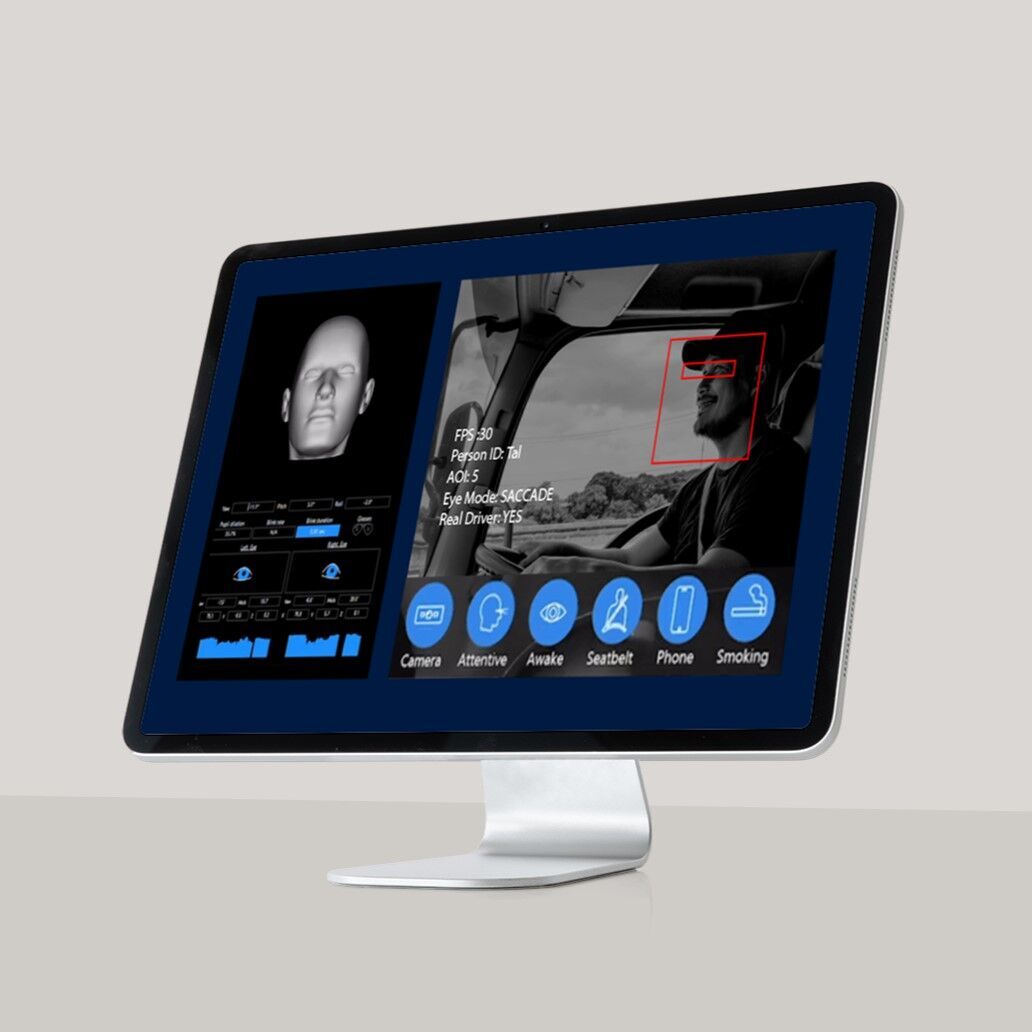
FleetSight from Telkomsel Enterprise helps operators monitor fleet movement in real-time and minimize delay risks. With Real-time Visibility services from FleetSight, the security of the distribution process becomes more monitored with monitoring of vehicle unit locations, shipment status, and even driver activity in real-time.
This allows you to maintain operations to remain efficient and ensure the last mile delivery process runs smoothly. Monitored delivery fleet visibility will make goods sent on time and increase consumer satisfaction and loyalty. If you are looking for how to improve last mile delivery, technology is the answer.
For further information regarding how FleetSight can help ease your business distribution process, contact Telkomsel Enterprise today.